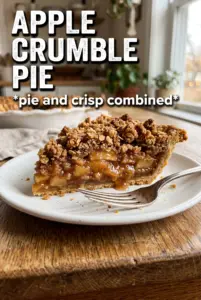
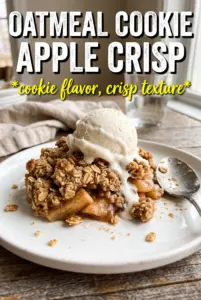
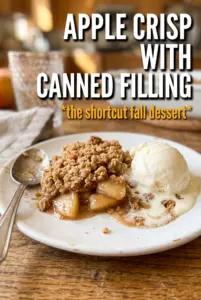
Applesauce honey cake bakes into a soft, fragrant sheet cake with a tender crumb and a glossy finish that tastes like it came from a much more elaborate dessert table. The honey keeps the sweetness round and mellow, while the applesauce brings moisture without making the crumb heavy. When it’s done right, the top sets into a thin, golden layer and the center stays plush for days.
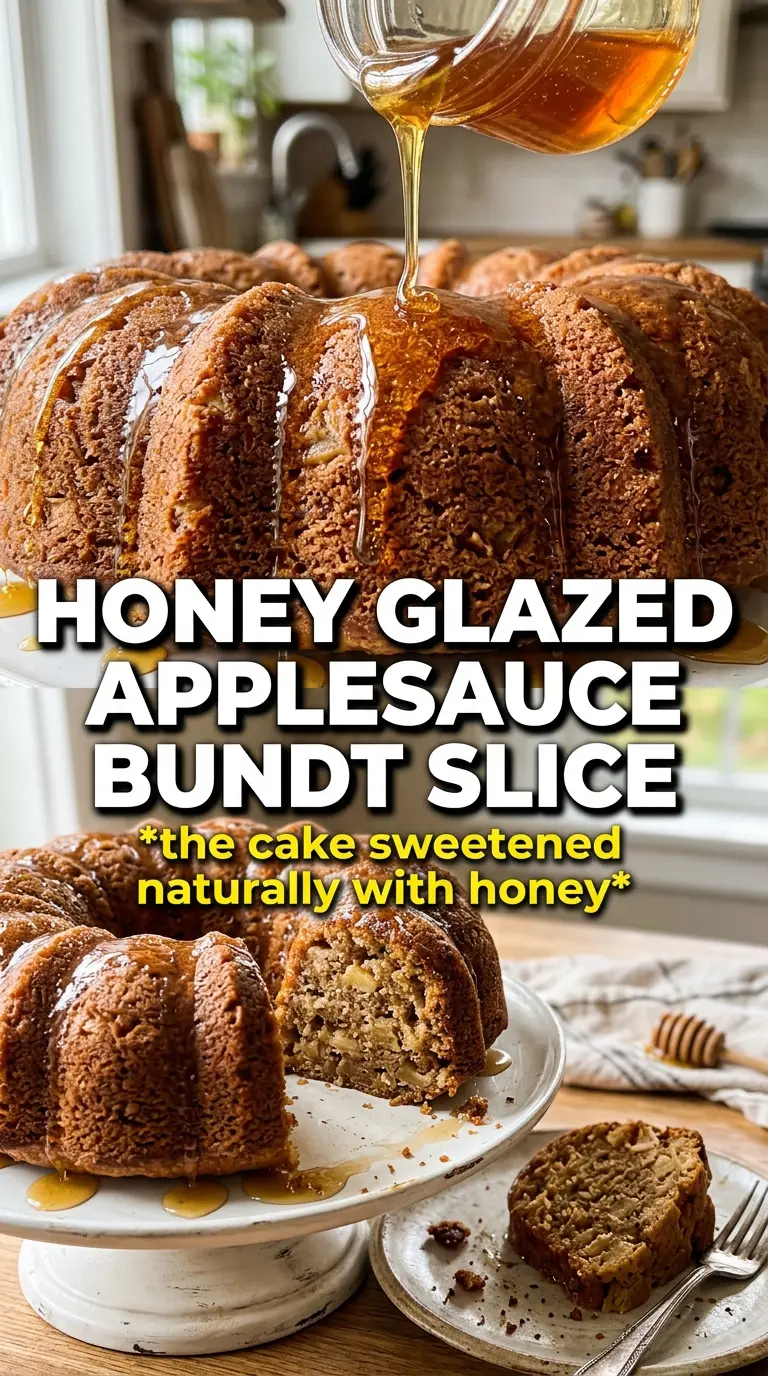
This version works because it balances three kinds of moisture: butter for richness, applesauce for softness, and sour cream for a little structure and tang. The spices are gentle but present, which keeps the cake tasting warm instead of muddy. I’ve also found that a quick honey glaze brushed on while the cake is still warm gives the surface a little shine and locks in that just-baked look.
Below, I’ll walk through the part that matters most for keeping the crumb tender, plus a few smart swaps if you need to work with what’s already in your pantry.
The glaze brushed on while the cake was still warm gave it the prettiest finish, and the crumb stayed moist even on day three. I used unsweetened applesauce and it came out perfectly balanced.
Save this applesauce honey cake for the days when you want a moist sheet cake with a golden glaze and barely any fuss.
The Trick to Keeping Applesauce Cake Tender Instead of Heavy
The biggest mistake with applesauce cakes is treating them like a quick bread and mixing them until the batter looks perfectly smooth. That extra stirring wakes up the flour and gives you a denser cake than you want. Stop as soon as the dry streaks disappear. A few small lumps are fine.
The other place people go wrong is with the honey. Honey tastes best here when it plays backup to the applesauce, not when it takes over the whole batter. The brown sugar gives the cake deeper caramel notes, and the sour cream keeps the texture soft enough to cut cleanly without crumbling.
- Applesauce — Unsweetened applesauce is the right call here because it adds moisture without pushing the cake into cloying territory. If you only have sweetened applesauce, cut the brown sugar back by a couple of tablespoons.
- Sour cream — This keeps the crumb plush and helps the cake bake up with a little more structure. Plain Greek yogurt works in a pinch, but the cake will taste slightly tangier and a touch less rich.
- Honey — Use a honey you like eating straight from the spoon. Since it’s one of the main flavors, a dull or overly processed honey will flatten the whole cake.
- Warm spices — Cinnamon, ginger, and allspice make the cake taste finished, not just sweet. Keep the ginger modest; too much makes the honey disappear.
What Each Ingredient Is Doing in the Pan
- All-purpose flour — This gives the cake enough strength to hold its shape in a 9×13 pan while still staying soft. Cake flour would make it lighter, but it also makes the crumb more delicate and less sliceable.
- Butter — Softened butter creams with the honey and brown sugar to build a smoother batter and a finer crumb. Don’t melt it; melted butter changes the structure and the cake can bake up a little greasy.
- Eggs — These bind the batter and help the cake rise evenly. Add them one at a time and mix until the batter loosens before moving on.
- Brown sugar — This does more than sweeten. It adds moisture and a deeper molasses note that honey alone can’t give.
- Honey glaze — The glaze is thin on purpose. It soaks lightly into the warm top layer and leaves a sheen without turning sticky.
Mix the Batter Just Enough, Then Let the Oven Do the Rest
Creaming the Sweet Base
Beat the softened butter, honey, and brown sugar until the mixture looks smooth and a little fluffy, even if it never gets as light as a classic cake batter. The honey won’t cream the same way butter and sugar do on their own, so aim for cohesive rather than airy. If the butter is too cold, the mixture will look grainy and stubborn; let it soften until it gives under a finger but still holds its shape.
Adding the Wet Ingredients
Mix in the eggs and vanilla until the batter looks glossy, then stir in the applesauce and sour cream. The batter may look loose at this point, and that’s exactly what you want. If it looks curdled, don’t panic — the flour will pull it back together. The only real problem is overbeating, which can make the final cake tight.
Finishing and Baking
Fold in the dry ingredients just until no flour streaks remain, then spread the batter into the prepared pan and bake until the top is springy and a toothpick comes out clean from the center. The cake should pull slightly from the edges and smell deeply of honey and spice. Pull it out as soon as the middle is set; waiting for a darker top dries out the crumb faster than you’d expect.
The Warm Glaze Finish
Whisk the honey, melted butter, and powdered sugar together, then brush it over the warm cake so it sinks into the surface instead of sitting on top like frosting. If the cake is completely cool, the glaze won’t absorb as well and you’ll lose that soft, glossy finish. Serve it warm or at room temperature once the glaze has settled.
Ways to Adjust the Cake Without Losing the Good Texture
Dairy-Free Version
Swap the butter for a dairy-free stick butter and use a thick plain dairy-free yogurt in place of the sour cream. The cake will still stay moist, but the flavor will be a little less rich and the crumb may bake up slightly softer around the edges.
Gluten-Free Adaptation
Use a cup-for-cup gluten-free flour blend that includes xanthan gum. The cake should still rise and slice well, though it may need an extra minute or two in the oven and should be cooled fully before cutting so the crumb can set.
Muffin or Cupcake Format
Divide the batter into lined muffin cups and bake until the tops spring back lightly to the touch. You’ll lose the soft glaze-soaked top layer you get in a pan, but you gain portable portions with crispier edges and a little more caramelized flavor.
Storage and Reheating
- Refrigerator: Store covered for up to 5 days. The cake stays moist, and the spice flavor deepens a little by day two.
- Freezer: It freezes well. Wrap individual slices tightly and freeze for up to 2 months, then thaw at room temperature still wrapped so condensation doesn’t make the top gummy.
- Reheating: Warm slices in the microwave for 10 to 15 seconds or in a low oven until just warmed through. Heat gently; blasting it too long dries out the edges before the center is warm.
Questions I Get Asked About This Recipe
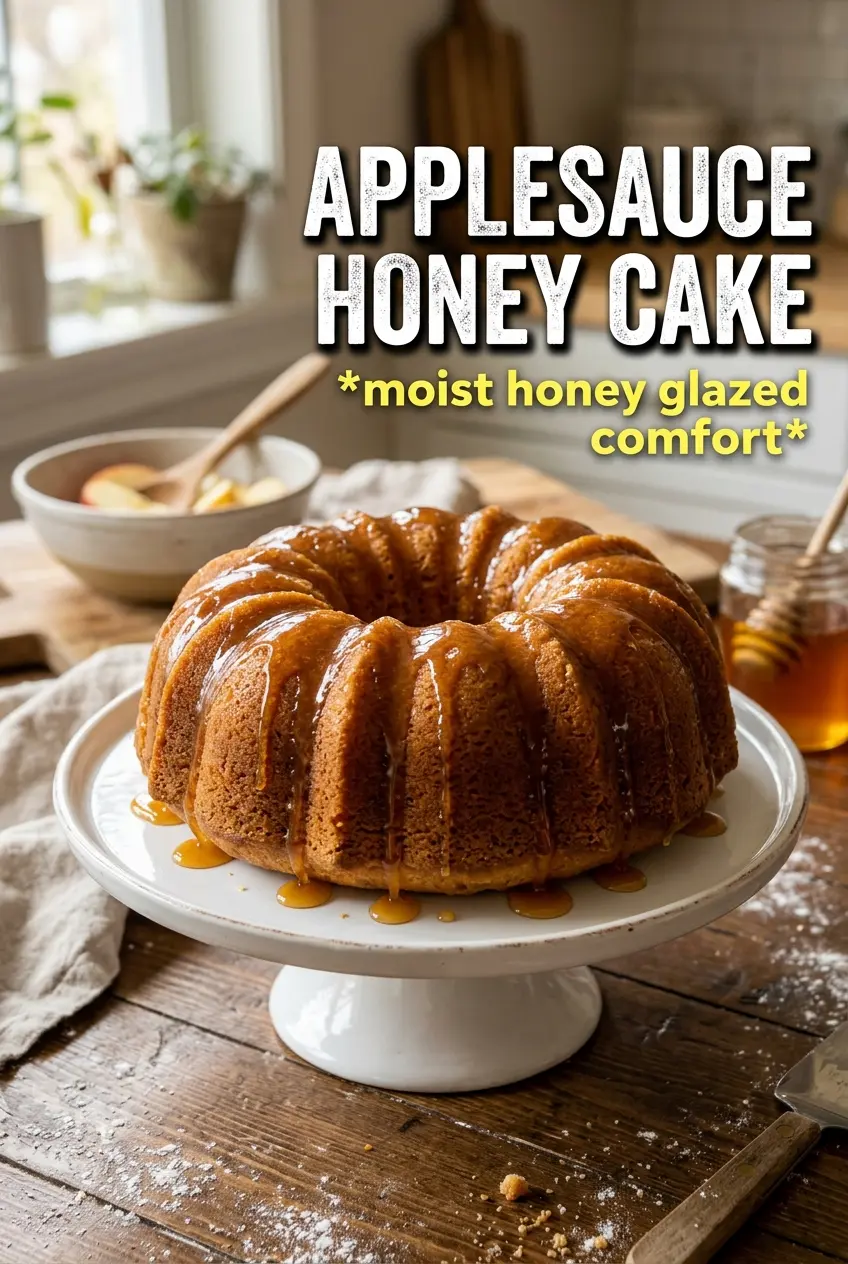
Applesauce Honey Cake
Ingredients
Equipment
Method
- Preheat oven to 350F, then grease a 9x13 baking pan and set aside for easy filling. The pan should be ready so batter can go straight in.
- Whisk all-purpose flour, baking soda, cinnamon, ginger, allspice, and salt together in one bowl until evenly speckled. Visual cue: no visible clumps of spices.
- Beat softened unsalted butter, honey, and brown sugar until smooth, then beat in eggs and vanilla extract. Visual cue: the mixture looks glossy and fully combined.
- Stir in unsweetened applesauce and sour cream, then fold in the flour mixture until just combined. Stop mixing as soon as you no longer see dry flour.
- Pour batter into the prepared 9x13 pan and spread it evenly. Tap the pan lightly so the top looks level.
- Bake for 35-40 minutes at 350F until a toothpick comes out clean. Visual cue: the top should be golden-brown with set edges.
- Whisk honey glaze honey, melted butter, and powdered sugar together until smooth, then brush over the warm cake. Visual cue: the glaze turns glossy as it soaks slightly into the top.
- Let the applesauce honey cake cool briefly, then serve warm or at room temperature. Slicing works best after the glaze has set.