Tiny, tender orzo turns into a bright, cold salad that holds its shape and stays lively after chilling. The lemon vinaigrette soaks into every little grain, while cucumber, tomatoes, herbs, and red onion keep each bite crisp and fresh. It’s the kind of side dish that disappears fast because it never eats like an afterthought.
This version works because the dressing is bold enough to season the pasta once it cools, but not so heavy that it turns greasy or flat. Rinsing the orzo stops the cooking and keeps the grains separate, which matters here more than with a warm pasta dish. Fresh parsley and mint carry the whole bowl, so the salad tastes clean instead of muddy.
Below, you’ll find the small details that make this salad better on day one and even better after it chills. I’ve also included the one adjustment I use when I want it a little creamier, plus the best way to keep the herbs bright.
The dressing soaked into the orzo perfectly after an hour in the fridge, and the mint stayed bright instead of getting lost. I brought it to a cookout and the bowl came back empty.
Save this lemon orzo salad for cookouts, picnics, and easy lunches when you want something chilled, herby, and fresh.
The Reason This Salad Tastes Better After It Chills
The biggest mistake with orzo salad is treating it like plain pasta salad. Orzo is small enough to soak up dressing fast, which is exactly why the balance matters: it needs enough acid and olive oil to stay bright after an hour in the fridge, but not so much that it turns slick. The lemon zest helps here too. Juice brings the sharpness, but zest gives you the citrus aroma that survives chilling.
Rinsing the orzo is non-negotiable in this dish. It cools the pasta quickly and washes off surface starch, which keeps the salad from clumping into a heavy mass. If your orzo is sticking together, it usually means it didn’t get enough cold water after draining, or the dressing went on while it was still steaming hot.
- Chilling time matters — the hour in the fridge isn’t just for serving temperature; it’s when the pasta drinks in the dressing and the flavors settle together.
- Fresh herbs need to be folded in gently — parsley and mint lose their lift if they’re bruised or chopped too early.
- Vegetables should be diced small — cucumber, tomato, and onion need to match the size of the orzo so every bite feels balanced.
What Each Ingredient Is Actually Doing in This Bowl
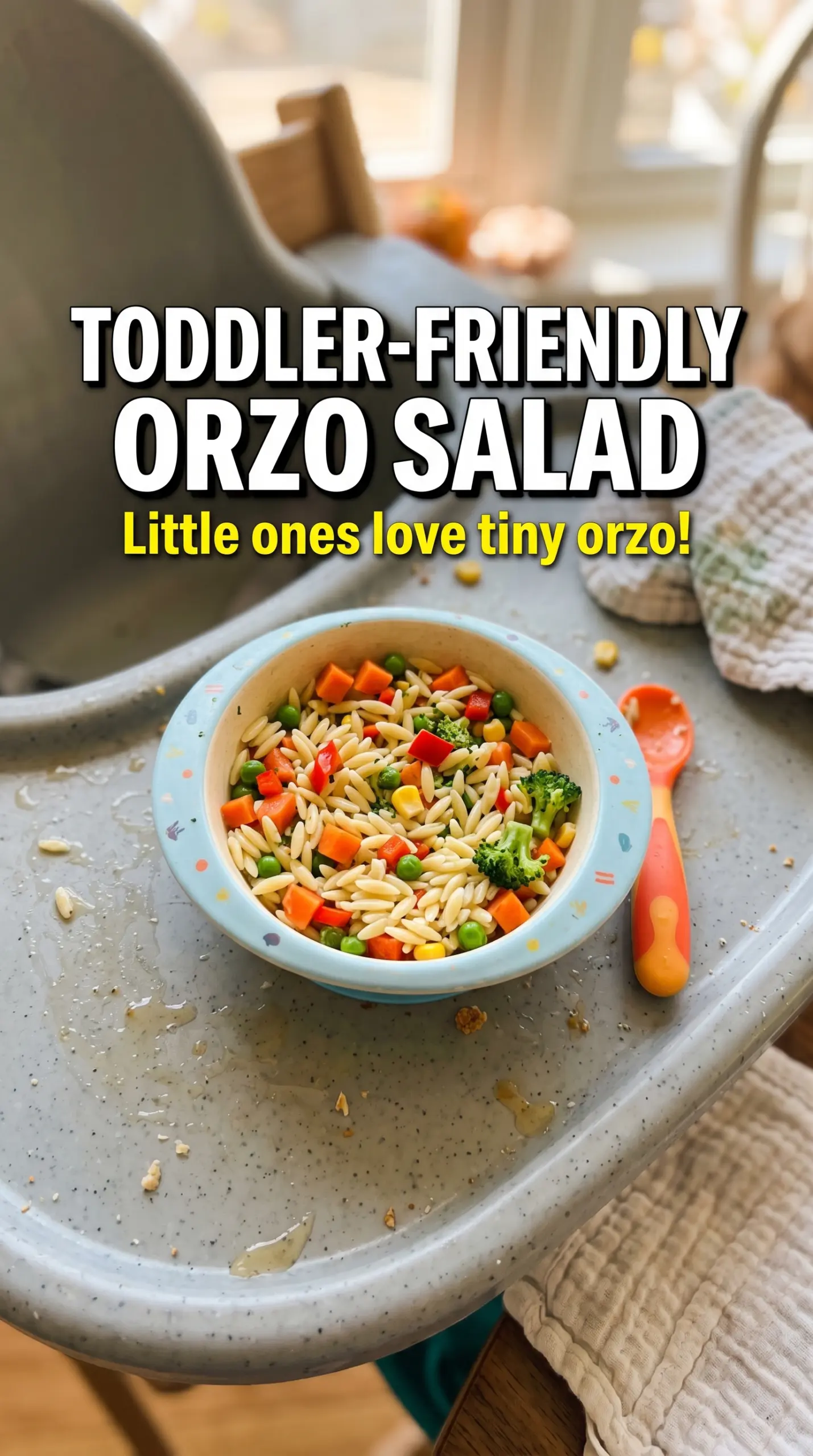
- Orzo — This gives the salad its base and its texture. It holds onto vinaigrette better than larger pasta shapes, and the small size makes the herbs and vegetables feel evenly distributed instead of scattered.
- Lemon juice and zest — The juice seasons the whole dish, while the zest adds the citrus note that keeps the salad from tasting flat after it chills. Fresh lemon matters here more than bottled juice because the flavor is cleaner and sharper.
- Olive oil — It softens the acidity and gives the dressing enough body to coat the pasta. Use a decent extra-virgin olive oil if you can, since the dressing is simple and there’s nowhere for a dull oil flavor to hide.
- Cucumber, tomatoes, and red onion — These add crunch, juiciness, and bite. Dice them small so they don’t overwhelm the orzo, and salt them lightly if your tomatoes are especially watery.
- Parsley and mint — Parsley gives the salad its green backbone, and mint makes it taste fresher and brighter. Don’t skip the mint if you want the Mediterranean feel to come through.
- Feta — Optional, but it adds a salty finish that plays well with the lemon. If you use it, crumble it on at the end so it stays distinct instead of dissolving into the dressing.
Building the Salad So the Pasta Doesn’t Go Mushy
Cooking the Orzo Just Past Tender
Cook the orzo according to the package, then stop as soon as it’s tender with a little bite left in the center. Overcooked orzo turns soft fast once it’s dressed and chilled, and this salad needs each piece to keep its shape. Drain it well, then rinse under cold water until it feels cool all the way through. If you skip the rinse, the residual heat keeps cooking the pasta and the salad loses its clean texture.
Whisking the Dressing Until It Looks Smooth and Bright
Whisk the olive oil, lemon juice, lemon zest, garlic, salt, and pepper until the dressing looks glossy and combined. The garlic should be minced fine enough that it disappears into the salad instead of landing in sharp little pockets. If the dressing tastes harsh at this stage, it will taste harsher after chilling, so season it with the final cold salad in mind.
Tossing in the Vegetables and Herbs
Add the cooled orzo, tomatoes, cucumber, red onion, parsley, and mint to a large bowl before pouring over the dressing. Toss gently so the pasta gets coated without crushing the tomatoes or bruising the herbs. If the bowl looks dry after tossing, add a small drizzle of olive oil rather than extra lemon juice first. That keeps the acidity from taking over.
Letting the Salad Rest
Refrigerate the salad for at least an hour before serving. That resting time gives the lemon a chance to soak in and mellows the raw edge of the onion and garlic. Before serving, taste again and adjust salt, pepper, or a small squeeze of lemon. Cold food dulls seasoning, and this salad needs that final check.
Three Ways to Adjust This Without Losing What Makes It Work
Make it dairy-free and still finish with richness
Skip the feta and add a little extra olive oil at the end, plus a pinch more salt. You’ll lose the salty creaminess from the cheese, but the salad stays bright and balanced. A handful of chopped olives works well here if you want that savory edge back.
Turn it into a gluten-free side
Use a gluten-free orzo or a small gluten-free pasta shape with a similar size. Cook it just to tender and rinse it well, since gluten-free pasta can go soft faster if it sits too long in hot water. The flavor stays the same, but the texture benefits from serving it soon after chilling.
Add protein without turning it into a heavy meal
Fold in chickpeas, grilled chicken, or flaked tuna once the pasta has cooled. Chickpeas keep it vegetarian and match the lemon-herb dressing especially well, while chicken makes it lunch-worthy. Add extra dressing if you bulk it up, since the pasta will absorb more once the other ingredients are mixed in.
Storage and Reheating
- Refrigerator: Keep covered for up to 3 days. The herbs soften a little, but the flavor stays bright.
- Freezer: I don’t recommend freezing this salad. The cucumber and tomatoes turn watery and the texture goes downhill fast.
- Reheating: Serve it cold or let it sit at room temperature for 15 to 20 minutes. If it tastes dull straight from the fridge, stir in a small splash of lemon juice and olive oil instead of warming it.
Answers to the Questions Worth Asking
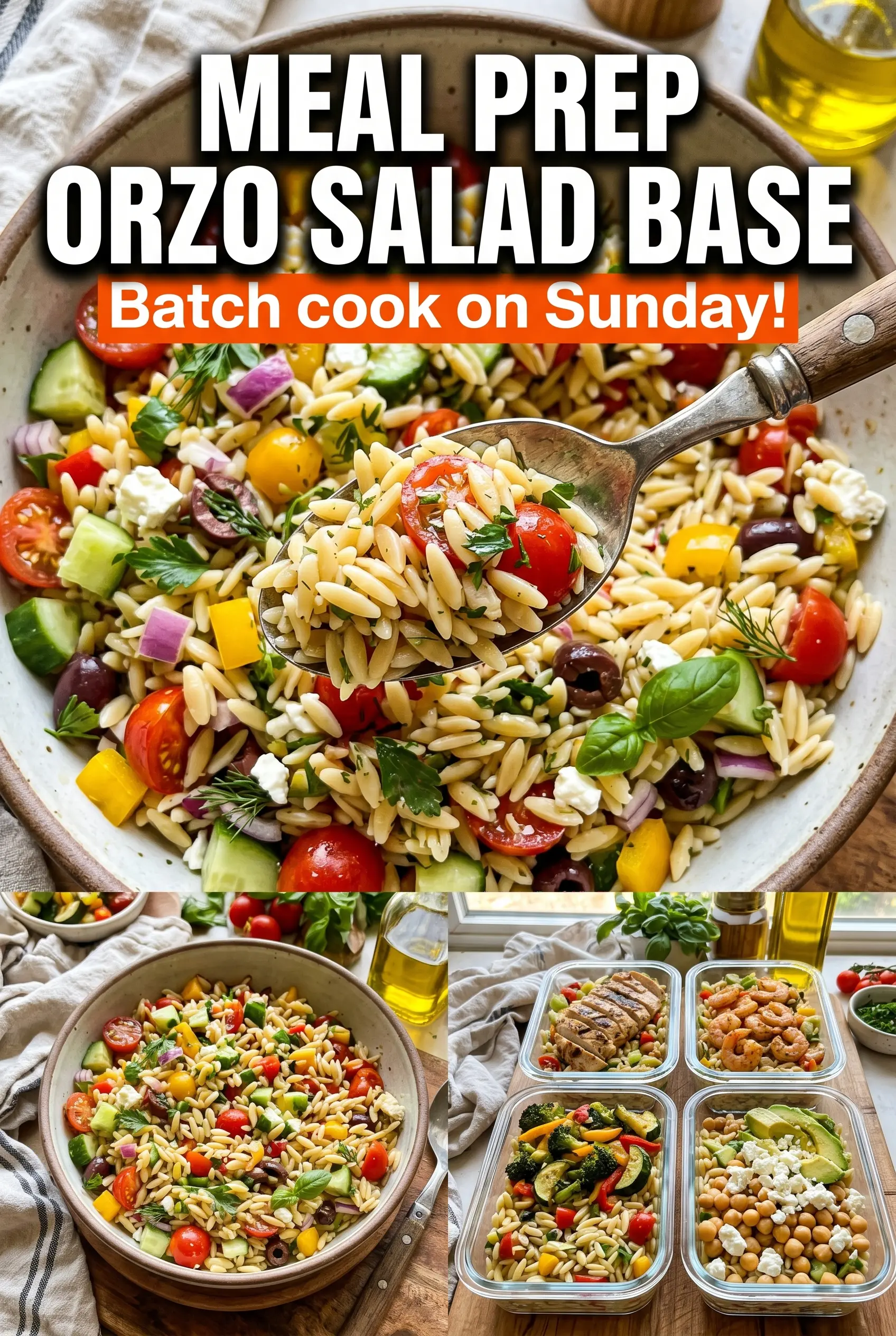
Orzo Salad
Ingredients
Equipment
Method
- Bring a pot of water to a boil, then cook orzo according to package directions until tender. Drain the orzo and rinse under cold water to stop the cooking and keep the pasta firm.
- Whisk together olive oil, lemon juice, lemon zest, garlic, salt, and pepper until the mixture looks evenly combined. Taste and adjust seasoning if needed.
- In a large bowl, combine orzo, cherry tomatoes, cucumber, red onion, parsley, and mint. Mix gently so the vegetables stay crisp and the herbs are evenly distributed.
- Pour the dressing over the salad and toss to coat all the pasta and vegetables. Continue tossing until the lemon vinaigrette clings lightly to the orzo.
- Cover and refrigerate for at least 1 hour to let the flavors mingle and the salad chill through. The salad should be cold and the vegetables should look fresh and slightly glossy from the dressing.
- Top with crumbled feta if desired, then serve chilled. Finish with a quick visual check for an even herb-and-vegetable mix before serving.