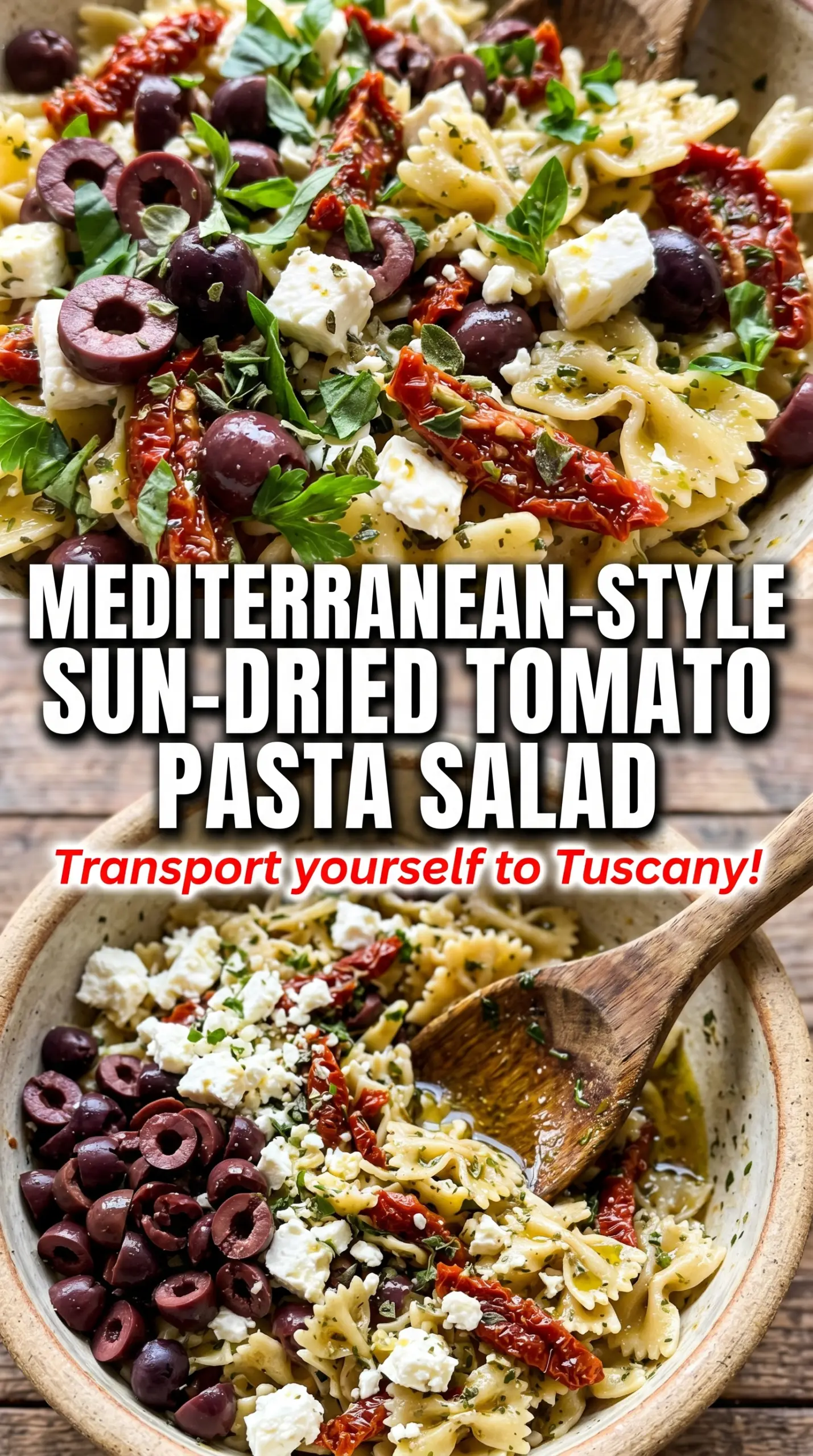
Pasta salad gets a lot better when the dressing has enough backbone to stand up to chilled noodles, salty cheese, and something punchy from the pantry. This version does that. The sun-dried tomatoes bring depth instead of just sweetness, the feta gives it a briny crumble, and the spinach keeps every bite from feeling heavy.
The trick is in the balance. Rinsing the pasta under cold water stops the cooking and keeps the salad from turning gummy, but the bigger win is letting it chill for at least an hour so the garlic, oregano, and basil can settle into the pasta instead of sitting on the surface. I also like to toss the feta in gently at the end so some of it stays in creamy little pockets while the rest coats the noodles.
Below you’ll find the small details that make this salad taste composed instead of thrown together, plus a few smart ways to adapt it if you’re making it ahead or swapping ingredients.
The dressing soaked into the pasta after chilling and the feta stayed in nice little crumbles instead of disappearing. I added a handful of extra spinach right before serving and it held up beautifully.
Love the salty feta, sun-dried tomatoes, and herb vinaigrette in this pasta salad? Save it to Pinterest for make-ahead lunches and easy side dishes.
The Part Most Pasta Salads Get Wrong: Letting the Dressing Sit on the Surface
Cold pasta salads often taste flat because the dressing is mixed in and served too soon. The noodles need time to absorb some of that vinaigrette, especially when the dressing is built from olive oil, vinegar, garlic, and dried herbs. Without that rest, the salad tastes like separate parts instead of one finished dish.
This recipe avoids that problem by using ingredients that hold up after chilling. Sun-dried tomatoes bring concentrated flavor, olives add salt, and feta keeps the salad bright even after the fridge has done its work. If the salad tastes sharp at first, that usually means it just needs the hour in the refrigerator, not more vinegar.
- Rinsed pasta — The cold rinse stops the cooking and keeps the salad from clumping. It also gives the dressing a cooler surface to cling to, which helps the flavor distribute more evenly.
- Sun-dried tomatoes in oil — These are richer and softer than the dry-packed kind. If you only have dry-packed tomatoes, soak them in warm water until pliable, then toss them with a little olive oil so they don’t taste dusty.
- Feta — Buy a block if you can and crumble it yourself. Pre-crumbled feta is drier and can disappear into the salad instead of staying in small salty pockets.
What Each Ingredient Is Actually Doing in the Bowl
- Rotini or penne — Rotini grabs dressing in the twists, while penne gives you cleaner bites with less cling. Either works; choose rotini if you want the most sauce in every forkful.
- Olive oil — Use a decent-tasting oil here because it shows up unmasked. You don’t need a fancy bottle, but a bland oil will make the dressing taste dull.
- Red wine vinegar — This keeps the salad lively and cuts through the richness of the feta and olives. Lemon juice can work in a pinch, but it changes the profile and makes the salad taste brighter and less savory.
- Spinach — Chop it before adding it in so it mixes through the pasta instead of forming wet strands. Baby spinach works best because it softens just enough after chilling without turning slimy.
- Kalamata olives — Their deep, briny flavor is part of what makes this salad taste Mediterranean rather than just cheesy pasta. Black olives will work, but the flavor will be milder and less layered.
Building the Salad So It Tastes Better After Chilling
Cooking the Pasta to the Right Point
Cook the pasta just until it is tender with a little bite left in the center. Pasta salad softens as it chills, so starting with fully soft noodles leaves you with a mushy result later. Drain it well, then rinse under cold water until the steam is gone and the pasta feels cool to the touch.
Whisking the Dressing Until It Stays Together
Whisk the olive oil, vinegar, garlic, oregano, basil, salt, and pepper in a bowl until the garlic is evenly suspended. If the garlic sinks or the oil looks streaky, keep whisking for another few seconds. That little bit of emulsification helps the seasoning coat the pasta instead of pooling at the bottom of the bowl.
Mixing Without Crushing the Good Stuff
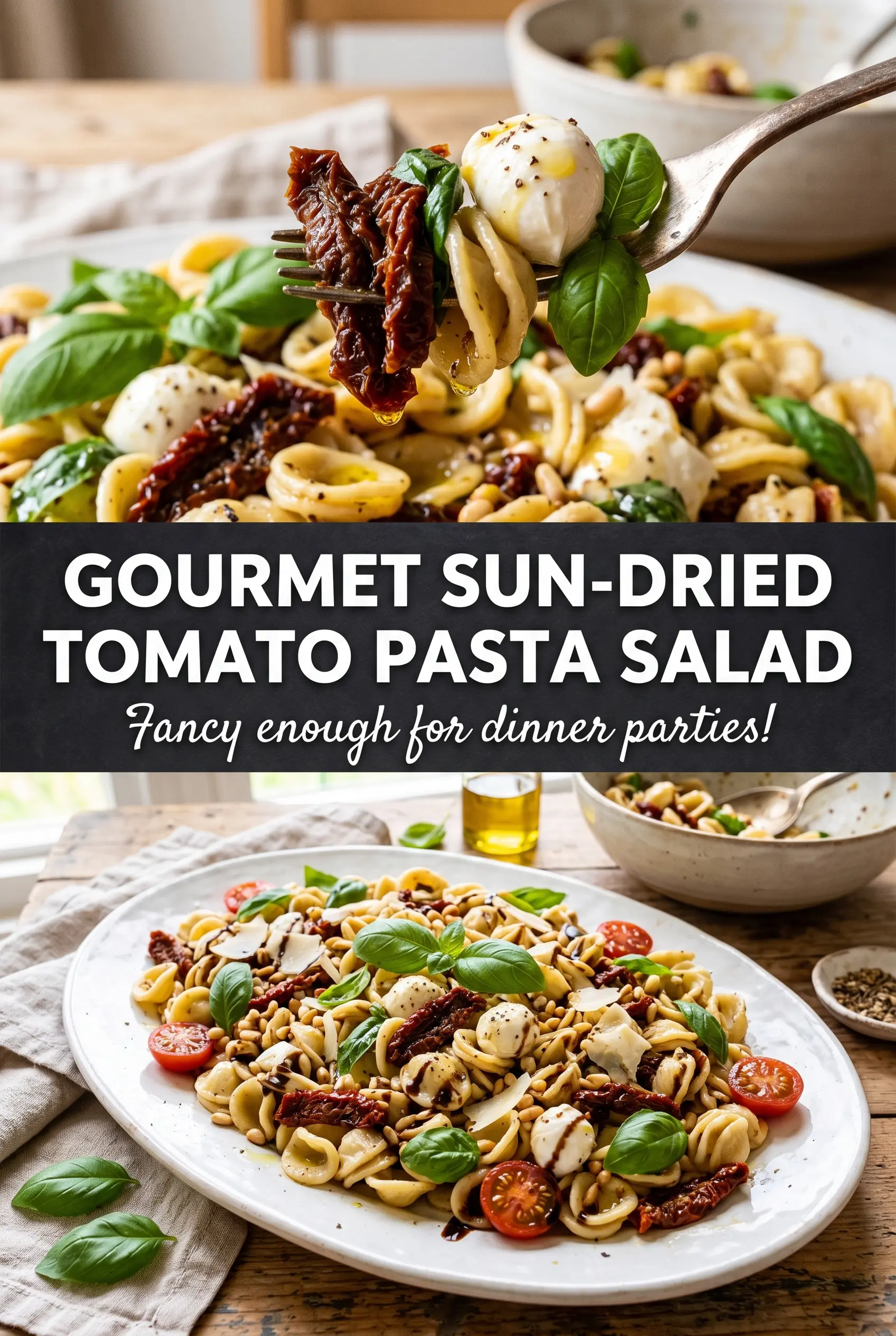
Add the pasta, tomatoes, spinach, and olives first, then pour the dressing over the top and toss gently. Fold in the feta with a light hand so some crumbles stay intact. If you stir aggressively, the cheese turns pasty and the salad loses the contrast that makes each bite interesting.
Giving It Time in the Fridge
Cover the bowl and chill it for at least an hour before serving. This is when the pasta drinks in the dressing and the flavors stop tasting separate. Right before serving, toss again and taste for salt and vinegar, because chilled salads often need a small adjustment after the flavors settle.
Three Ways to Make This Pasta Salad Fit What You Have
Dairy-Free Version
Leave out the feta and add a handful of chopped artichoke hearts or extra olives for more salty depth. You lose the creamy crumble, but the salad still works because the vinaigrette and sun-dried tomatoes carry the flavor.
Gluten-Free Pasta Swap
Use a sturdy gluten-free rotini and pull it from the pot as soon as it turns tender. Gluten-free pasta can go from pleasant to crumbly fast, so chilling it promptly keeps it from breaking apart when you toss the salad.
Add a Protein for a Fuller Meal
Stir in chickpeas, grilled chicken, or tuna after the salad has chilled. Chickpeas keep it vegetarian and soak up the vinaigrette well, while chicken or tuna make it lunch-worthy without changing the core flavor.
Storage and Reheating
- Refrigerator: Keeps well for 3 to 4 days. The spinach softens a little, but the flavor gets better on day two.
- Freezer: I don’t recommend freezing this salad. The pasta, feta, and spinach all lose their texture once thawed.
- Reheating: Serve it cold or let it sit at room temperature for 15 to 20 minutes. If it tastes a little dry after chilling, stir in a drizzle of olive oil before serving rather than heating it, which will make the feta grainy.
Questions I Get Asked About This Recipe
Sun-Dried Tomato Pasta Salad
Ingredients
Equipment
Method
- Cook rotini or penne pasta according to package directions until just tender, then drain it completely. Visual cue: steam should be minimal when it’s ready to cool.
- Rinse the drained pasta with cold water and drain again. Visual cue: pieces look separated and no longer glossy from heat.
- Whisk olive oil, red wine vinegar, minced garlic, dried oregano, dried basil, salt, and pepper in a bowl until combined. Visual cue: the mixture turns evenly speckled with herbs.
- Combine the cooled pasta, chopped sun-dried tomatoes in oil, crumbled feta, chopped fresh spinach, and sliced Kalamata olives in a large bowl. Visual cue: deep red, green, and white colors are evenly distributed.
- Pour the herb vinaigrette over the salad and toss gently to avoid breaking up the feta too much. Visual cue: pasta and spinach are lightly coated without clumping.
- Refrigerate the pasta salad for at least 1 hour. Visual cue: the dressing looks slightly thicker and clings to the pasta.
- Toss again and adjust seasoning before serving. Visual cue: feta should still hold soft chunks and the surface should look glossy but not dry.