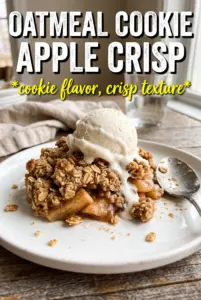
Pasta salad gets a lot better when the dressing clings to every ridge instead of pooling at the bottom of the bowl, and this avocado version does exactly that. The texture lands somewhere between a classic creamy pasta salad and a fresh guacamole-adjacent dressing: smooth, bright, and rich without feeling heavy. It’s the kind of side dish that disappears fast because it tastes clean and satisfying at the same time.
The trick is in the balance. Avocado brings body, lime keeps it from tasting flat, and a little olive oil helps the dressing loosen enough to coat the pasta evenly. Rinsing the pasta under cold water matters here, too, because you want it cool before the avocado goes in; warm pasta softens the dressing and can make the whole bowl turn mushy. Tomatoes, corn, red onion, and cilantro give the salad contrast so every bite has something crisp, sweet, and fresh.
Below, I’ll show you how to keep the dressing creamy, how to handle the chilling time, and the one storage truth you need to know if you’re making this ahead.
The dressing coated every piece of pasta and stayed creamy for lunch the next day. I loved that the lime kept the avocado bright instead of bland.
Creamy avocado pasta salad with lime, tomatoes, and cilantro is the kind of side dish that actually tastes better after it chills.
The Reason Avocado Dressing Can Turn Dull Instead of Creamy
Avocado pasta salad only works when the dressing stays bright enough to taste fresh after it coats the noodles. The failure point is usually one of two things: too little acid, which makes the avocado taste heavy, or too much heat, which dulls the herbs and softens the dressing before it’s mixed. Lime juice pulls double duty here. It adds the sharpness this salad needs and slows browning long enough for the dish to chill and serve with a clean, green color.
The other thing that matters is pasta temperature. If the pasta goes into the bowl warm, it starts loosening the dressing immediately and the avocado can turn a little greasy instead of creamy. Cool pasta holds the sauce better, and the salad keeps a more defined texture. That’s why the rinse under cold water isn’t optional in this recipe.
- Cold pasta — gives the avocado dressing something stable to cling to instead of thinning it out.
- Lime juice — keeps the flavor lively and helps the avocado stay brighter for the short chill time.
- Olive oil — softens the dressing so it spreads evenly; avocado alone can be too thick.
- Garlic — adds bite, but it needs to stay moderate so it doesn’t overpower the fresh vegetables.
What the Avocado, Lime, and Olive Oil Are Each Doing Here
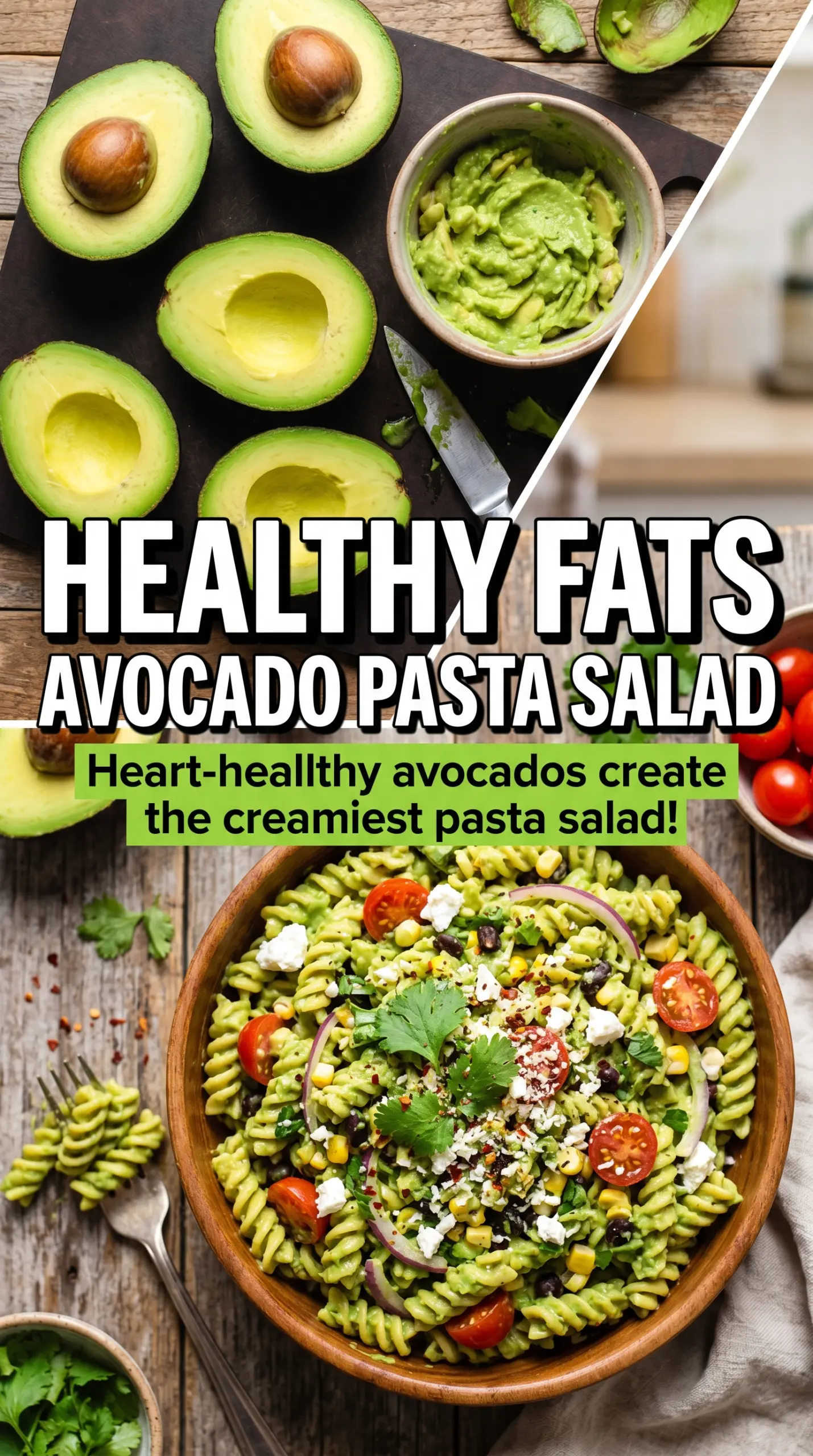
- Ripe avocados — the avocado is the body of the dressing, so this is where quality matters. You want soft but not stringy fruit with no brown fibers inside. If your avocado is underripe, the dressing turns grainy instead of silky.
- Lime juice — bottled lime juice works in a pinch, but fresh lime gives the salad a cleaner, brighter finish. If you want to swap in lemon, it will work, but the flavor shifts from mellow and tropical to sharper and more citrus-forward.
- Olive oil — this helps the avocado blend into a pourable dressing. A mild olive oil is best; strong, peppery oil can take over the whole bowl.
- Cilantro — this is a finishing herb, not a background note. Chop it just before serving so it stays fragrant and doesn’t disappear into the dressing.
Building the Bowl So the Avocado Coats Every Noodle
Blending the Dressing Until It’s Fully Smooth
Blend the avocados, lime juice, olive oil, garlic, salt, and pepper until the mixture looks glossy and completely smooth. If you still see tiny bits of avocado, keep going; those little lumps are what make the dressing feel unfinished and patchy on the pasta. Scrape down the blender or processor once or twice so the garlic doesn’t stay trapped at the bottom. The dressing should look thick, but it should pour easily.
Cooling the Pasta the Right Way
Cook the pasta until just tender, then drain and rinse it under cold water until it feels cool to the touch. That rinse stops the cooking and keeps the pasta from soaking up too much of the avocado dressing too fast. Let it drain well after rinsing, because excess water is another reason this salad turns loose. If the pasta is dripping wet, the dressing won’t cling.
Mixing in the Vegetables Without Crushing Them
Add the tomatoes, corn, and red onion to the pasta before the dressing goes in so everything gets distributed evenly. Toss gently once the avocado mixture is added; aggressive stirring can break the tomatoes and turn the salad watery. You want each bite to have the creamy dressing with little pops of sweetness and crunch. Finish with cilantro right before serving so the herbs stay vivid.
Make it dairy-free and naturally vegetarian
This recipe is already dairy-free and vegetarian as written, which is part of why it works so well for a crowd. The avocado gives you the creamy texture people usually expect from sour cream or mayo-based pasta salads, without needing either one.
Turn it into a gluten-free pasta salad
Use a sturdy gluten-free rotini or penne and cook it just to tender, since gluten-free pasta can go soft faster than wheat pasta. Rinsing and draining well matters even more here, because extra surface starch can make the avocado dressing feel pasty.
Add protein without changing the base
Chopped grilled chicken, shrimp, or black beans all fit this salad well. Add them after the dressing so they stay intact and don’t get smashed during tossing. Black beans make it heartier and keep the dish vegetarian.
Storage and Reheating
- Refrigerator: Best within 1 day. The avocado will start to darken and the pasta will keep absorbing the dressing.
- Freezer: Don’t freeze this salad. Avocado and pasta both change texture in the freezer and come back unpleasantly soft.
- Reheating: Serve it cold. If it sits out too long, stir in a spoonful of lime juice and a drizzle of olive oil to wake the dressing back up instead of warming it.
Answers to the Questions Worth Asking
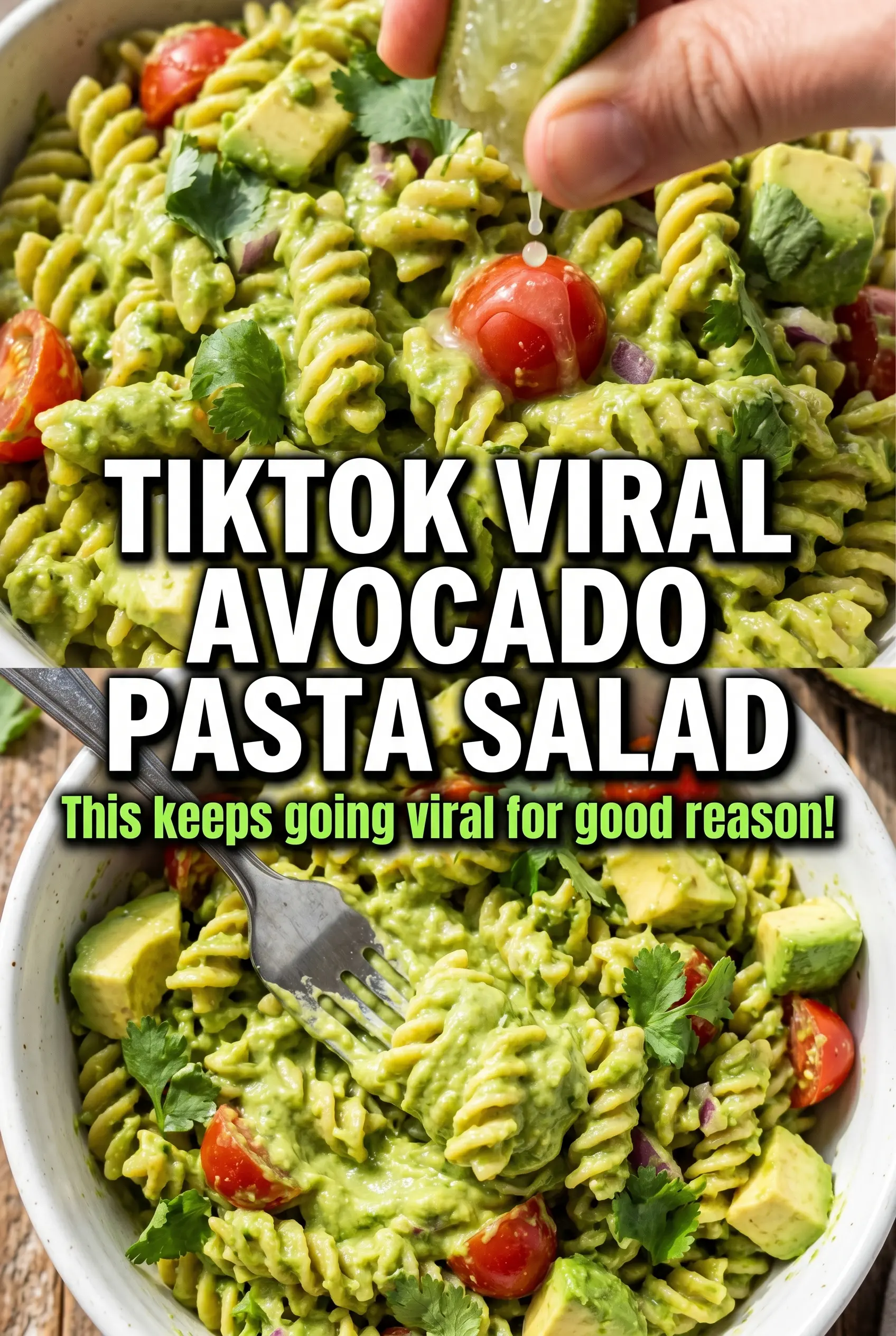
Avocado Pasta Salad
Ingredients
Method
- Cook the penne or rotini pasta according to package directions, until tender to the bite. Drain and rinse with cold water until the pasta feels cool and not sticky.
- Blend ripe avocados, lime juice, olive oil, garlic, salt, and pepper until smooth and creamy. Stop once the dressing is thick and uniform with no visible avocado chunks.
- Combine the pasta, cherry tomatoes, corn kernels, and red onion in a large bowl. Toss gently just to distribute the ingredients evenly.
- Add the avocado dressing and toss to coat evenly, so the pasta is fully green. If needed, add a splash of water to loosen the dressing for better coverage.
- Refrigerate for up to 1 hour, keeping the salad covered. The avocado may brown if stored longer, so aim to serve within that window.
- Top with fresh cilantro before serving. Add it right at serving time for a bright, green finish.