Italian pasta salad earns its spot on the table because it stays lively after chilling instead of turning dull and heavy. The pasta catches the dressing, the salami brings salt and chew, and the mozzarella softens the sharp edges just enough that every bite tastes balanced. It’s the kind of side dish people keep circling back to with a fork, which is usually how I know it’s working.
The trick is giving the pasta a head start with the dressing while it’s still slightly warm, then letting it chill long enough to absorb the flavor without going mushy. Rinsing the pasta under cold water stops the cooking fast, but it also removes surface starch, which keeps the salad from clumping up in a gluey mess. A little extra dressing before serving wakes everything back up after the fridge has had its way with it.
Below, I’ve included the one step that keeps the texture right, plus a few swaps that help when you’re making this for a crowd or cleaning out the fridge.
The pasta stayed tender but not soggy, and after it chilled the dressing soaked in instead of pooling at the bottom. I made it the night before a cookout and it tasted even better the next day.
Save this Italian pasta salad for potlucks, picnics, and any make-ahead side that needs bold color and a dressing that holds up in the fridge.
The One Move That Keeps Italian Pasta Salad from Going Flat
Most pasta salads lose their edge because the dressing gets diluted after the noodles cool and the vegetables release moisture. This version avoids that by starting with a full coat of Italian dressing on the pasta first, before the rest of the ingredients go in. That first toss gives the rotini a chance to absorb seasoning in all its ridges instead of leaving the flavor on the outside where it disappears after chilling.
The other thing that matters here is the chill time. Two hours gives the salad enough time to settle into itself, but it also means you may need a final splash of dressing before serving. That’s not a flaw; it’s just what chilled pasta does. If the salad tastes a little tight or dry after resting, the fix is more dressing, not more salt.
- Rotini pasta — The spirals grab dressing and hold onto bits of salami, cheese, and vegetables. Short pasta with ridges works best here; smooth pasta won’t cling the same way.
- Italian dressing — Bottled dressing gives you acid, oil, and seasoning in one step, which is exactly what makes this salad easy. A homemade version works too, but it needs enough tang to stand up after chilling.
- Mozzarella — Cubed mozzarella adds milky, soft bites that cool down the sharper salty ingredients. Use low-moisture mozzarella so the salad doesn’t get watery.
- Salami — This brings the savory, cured edge that makes the salad taste more like antipasto than plain pasta. Pepperoni works in a pinch, but salami gives a rounder, less spicy finish.
- Bell peppers and red onion — These keep the salad crisp and bright. Dice them small so they blend in instead of overwhelming each bite, and rinse the onion briefly if you want it less sharp.
Building the Salad So It Stays Crisp After Chilling
- Red onion — A small amount goes a long way. If you want the flavor without the bite, soak the diced onion in cold water for 10 minutes, then drain well before adding it.
- Cherry tomatoes — Halved tomatoes bring sweetness and juiciness, but they can water down the bowl if they sit too long. Add them in after the pasta has cooled, and don’t skip the final toss before serving.
- Parmesan — The grated cheese adds a salty, nutty layer that sharpens the whole salad. The shelf-stable stuff works, but freshly grated Parmesan melts into the dressing more naturally.
- Italian seasoning — This boosts the herb notes that bottled dressing can lose after chilling. If your dressing is already heavily seasoned, use a lighter hand so the salad doesn’t taste dusty.
The Chill, Toss, and Finish That Matter Most
Cooling the Pasta the Right Way
Cook the rotini until just tender, then drain and rinse it under cold water right away. You want the pasta cool enough to stop cooking, but not soaked to the point that it tastes washed out. Shake off as much water as you can, because any leftover droplets dilute the dressing and keep it from clinging.
Letting the Dressing Get In First
Toss the cooled pasta with the Italian dressing before anything else goes into the bowl. That first coating settles into the ridges and gives the salad its backbone. If you add all the mix-ins first, the dressing slides around the ingredients instead of seasoning the pasta itself.
Adding the Mix-Ins Without Crushing Them
Fold in the salami, mozzarella, tomatoes, olives, peppers, and onion gently so the cheese cubes stay intact and the tomatoes don’t burst. The bowl should look glossy and evenly speckled, not wet at the bottom. A heavy-handed stir turns this from a crisp pasta salad into a muddled one fast.
Chilling and Adjusting Before Serving
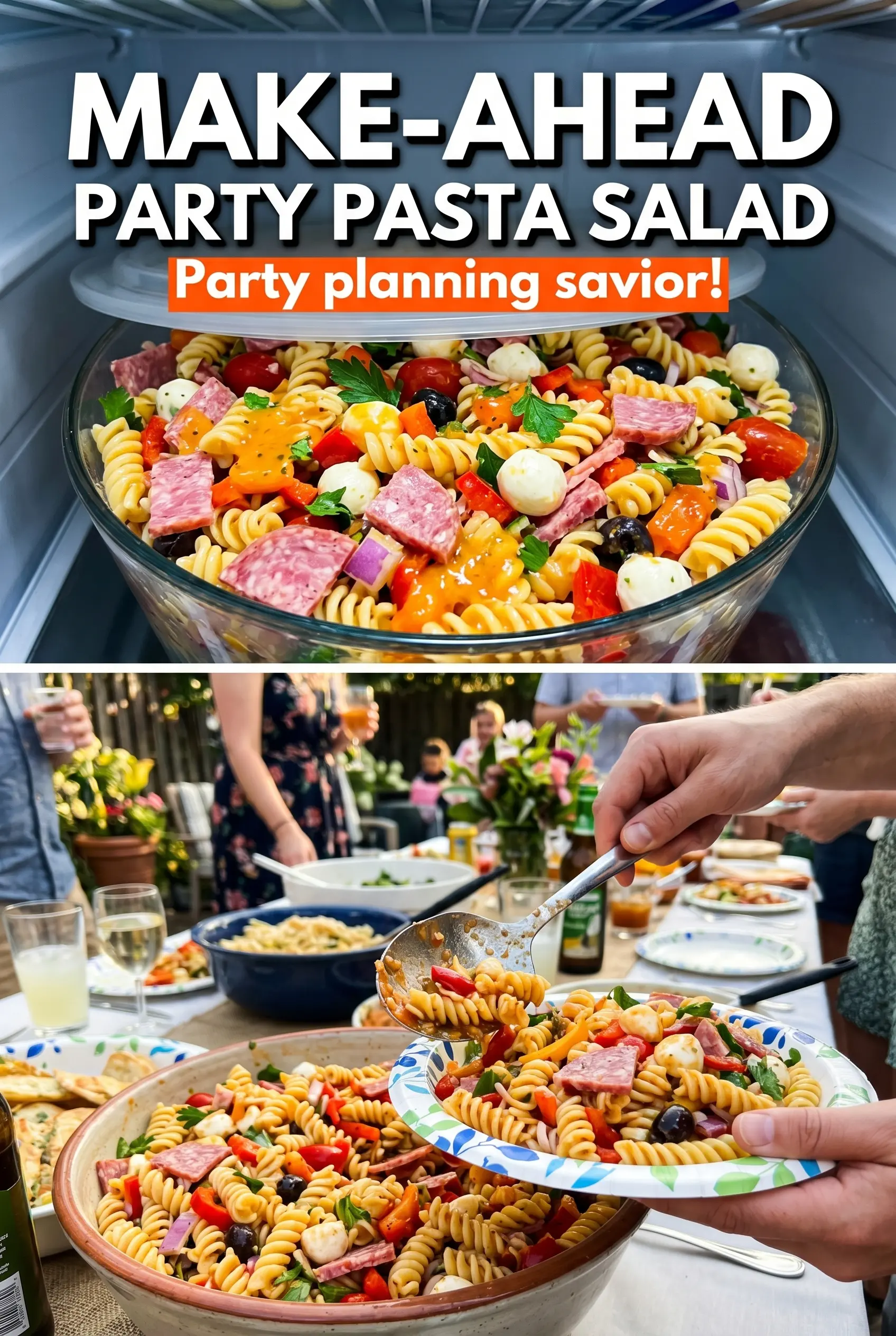
Refrigerate the salad for at least 2 hours, stirring once or twice if you can. That rest time lets the pasta drink in the seasoning and helps the flavors marry. Right before serving, taste it again and add a little more dressing if the pasta has soaked up more than you expected.
How to Adapt This for a Bigger Crowd or a Different Pantry
Gluten-Free Pasta Salad
Use a sturdy gluten-free rotini that holds its shape after chilling. Cook it just to tender, then rinse and drain extra well, because gluten-free pasta can get gummy if it sits in too much surface water. The flavor stays the same, but the texture is best the day it’s made.
Vegetarian Version with the Same Antipasto Feel
Leave out the salami and add extra olives, roasted red peppers, artichoke hearts, or cubes of provolone. You’ll lose some of the cured-meat saltiness, so taste after chilling and add a little more dressing or Parmesan to bring the salad back into balance.
Make-Ahead Party Bowl
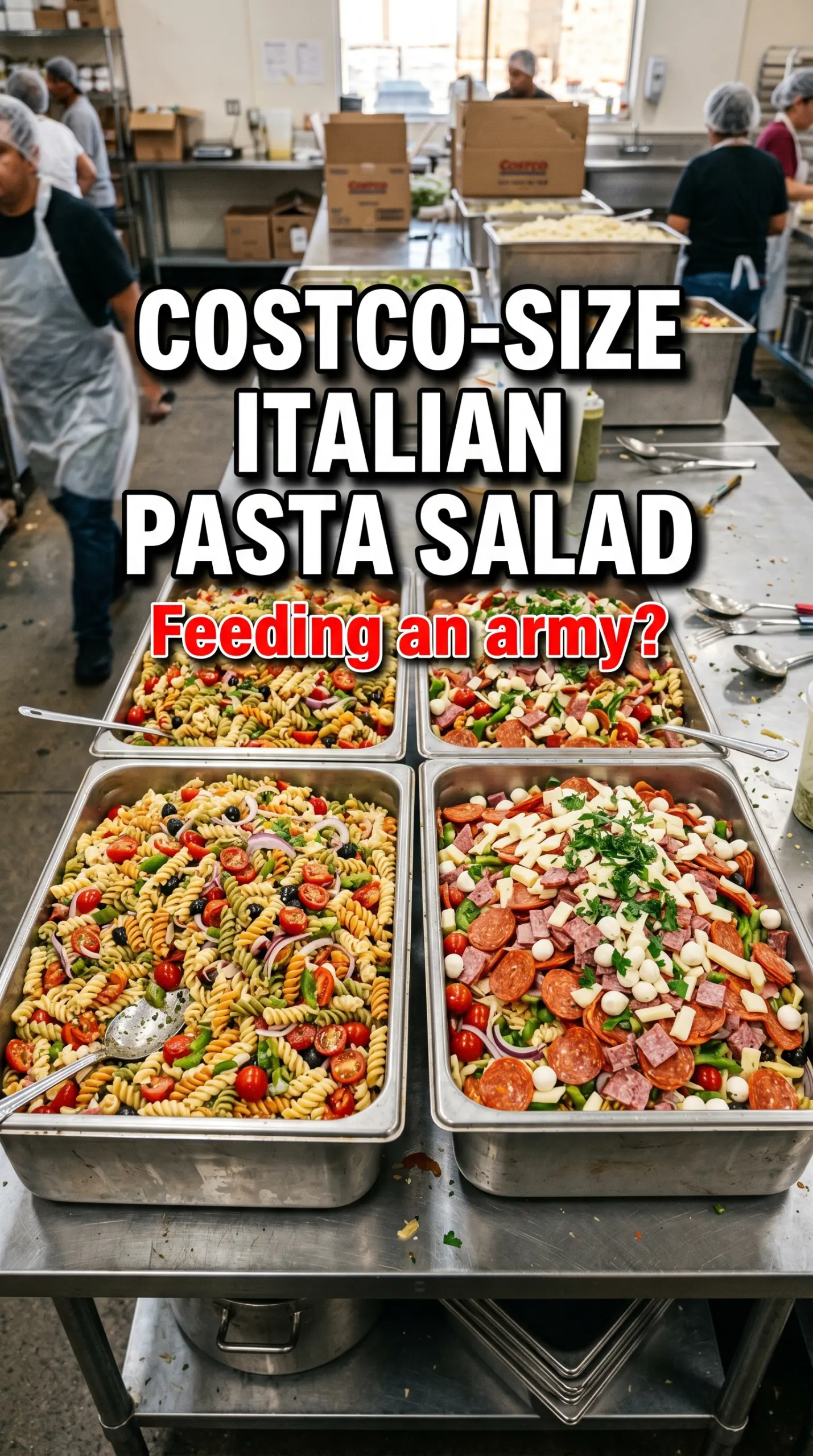
This salad scales well for potlucks, but keep back about a third of the dressing and add it just before serving. Bigger bowls dry out faster in the fridge because the pasta keeps absorbing liquid, and that final toss keeps the salad glossy instead of heavy.
Storage and Reheating
- Refrigerator: Store covered for up to 4 days. The pasta will absorb more dressing as it sits, so expect the salad to taste a little softer and less glossy on day two.
- Freezer: Don’t freeze it. The pasta turns mealy, the tomatoes break down, and the cheese loses its texture.
- Reheating: This salad is meant to be served cold. If it tastes flat after refrigeration, stir in a spoonful or two of dressing and let it sit at room temperature for 10 to 15 minutes before serving.
Answers to the Questions Worth Asking
Italian Pasta Salad
Ingredients
Equipment
Method
- Cook the rotini pasta according to package directions, then drain and rinse with cold water to stop cooking and cool it fast.
- Spread the rinsed pasta on a sheet pan to cool further for about 5 minutes, so it doesn’t clump before dressing.
- In a large bowl, combine the pasta with Italian dressing and toss to coat so every piece is glossy.
- Add the salami, mozzarella cheese, cherry tomatoes, black olives, green bell pepper, red bell pepper, and red onion, then toss to distribute the mix evenly with visible pepper and olive pieces.
- Sprinkle over Parmesan cheese and Italian seasoning, then toss again until the surface looks evenly speckled.
- Refrigerate the pasta salad for at least 2 hours, tossing occasionally, until it looks more cohesive and the flavors blend.
- Before serving, taste and add more Italian dressing if needed, then toss briefly so the salad looks shiny rather than dry.