Cold pasta salad gets a lot more interesting when the dressing has real backbone. This Asian pasta salad brings together chewy noodles, crisp vegetables, and a sesame-ginger dressing that clings to every strand instead of pooling at the bottom of the bowl. It eats like a full side dish, and it holds up well enough to sit through lunch, dinner, or a picnic without turning soggy.
The trick is balance. Rinsing the pasta stops the cooking and cools it down fast, which keeps the vegetables crisp when everything gets tossed together. The dressing leans on soy sauce, rice vinegar, sesame oil, ginger, and garlic, so you get salt, brightness, and warmth without needing a heavy mayonnaise base. The pasta also has enough surface area to catch the shredded cabbage and carrots, which makes every bite feel loaded instead of plain.
Below, I’ll walk through the one part that matters most for texture, what each ingredient is doing in the bowl, and a few smart swaps if you need to work with what’s already in the pantry.
The dressing soaked into the pasta after an hour in the fridge, and the cabbage stayed crunchy instead of getting limp. I added a little extra sesame seed on top and it tasted even better the next day.
Save this Asian Pasta Salad for a crunchy sesame-ginger side that gets better after chilling.
The Dressing Has to Coat, Not Soak
The biggest mistake with noodle salads is treating the dressing like a sauce that needs to drown everything. This one works because it’s built to cling. Sesame oil brings the nutty base, rice vinegar keeps it sharp, and the soy sauce gives enough salt that the vegetables taste seasoned without being heavy. If the dressing tastes a little aggressive on its own, that’s a good sign; the chilled pasta and vegetables will soften the edges.
Rinse the pasta under cold water after draining so it stops cooking immediately. If you skip that, the noodles keep softening and the salad turns dull and sticky instead of crisp and lively. The one-hour chill matters too. That resting time gives the noodles a chance to absorb the dressing and lets the cabbage and carrots settle into the mix instead of floating on top.
What the Edamame, Cabbage, and Sesame Oil Each Bring to the Bowl
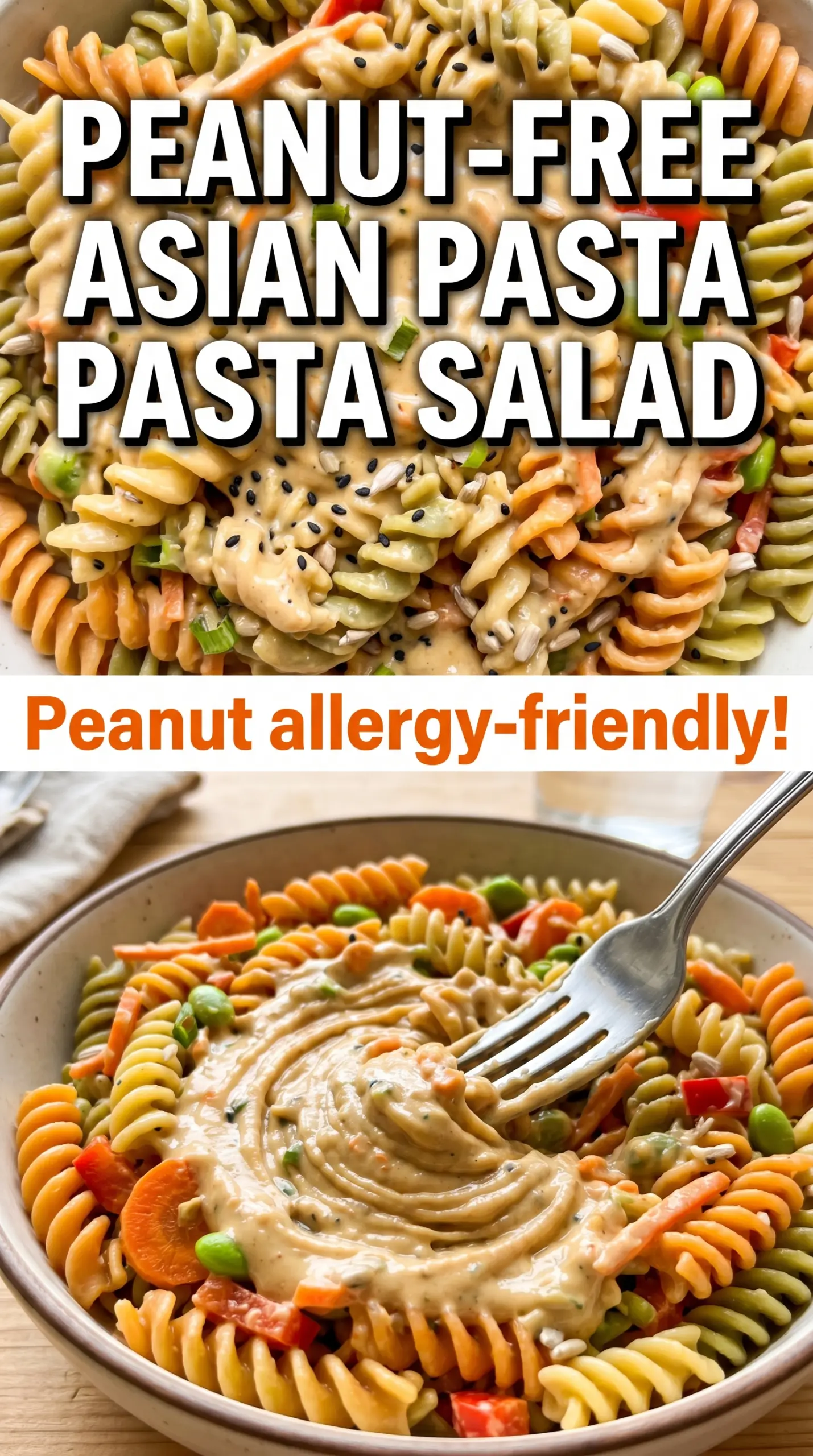
- Spaghetti or linguine — Long noodles hold this dressing better than short pasta because they give you more surface area for the sesame-ginger mixture. Breaking them into thirds makes them easier to eat and helps everything mix evenly. If you only have linguine, it works just as well.
- Edamame — This adds body and a little extra protein, which turns the salad from a plain side into something more substantial. Use shelled edamame, cooked and cooled, so it blends in cleanly. Frozen edamame is perfect here as long as you thaw it fully and pat off excess moisture.
- Red cabbage and carrots — These two hold their crunch after chilling, which is the whole point of this salad. Shred them finely so they tuck into the pasta instead of sitting in big, awkward pieces. Pre-shredded carrots are fine if that saves time.
- Sesame oil — This is the ingredient that makes the dressing taste distinctly sesame noodle-inspired. A little goes a long way, so don’t swap it for a neutral oil unless you have to. If you do, the salad will still work, but it loses that toasted depth.
- Rice vinegar, ginger, and garlic — This trio keeps the dressing bright and layered. Fresh ginger matters more than the garlic here because it gives the salad its sharp, clean finish. Powdered ginger won’t give the same lift.
Building the Salad So the Vegetables Stay Crisp
Cooking and Cooling the Pasta
Cook the pasta just to al dente, then drain it and rinse it well with cold water. The rinse does two jobs: it stops the cooking and washes off surface starch so the noodles don’t gum together in the bowl. If the pasta is still warm when the vegetables go in, the cabbage softens too fast and the whole salad loses its crunch.
Whisking a Dressing That Stays Balanced
Mix the soy sauce, rice vinegar, sesame oil, honey, ginger, and garlic until the honey dissolves and the dressing looks glossy. Taste it before it hits the salad. It should be salty, tangy, and a little strong on its own because the pasta dilutes it. If it tastes flat, add a pinch of salt; if it feels harsh, add a small drizzle of honey rather than more oil.
Letting the Chill Time Do Its Job
Once everything is tossed together, refrigerate the salad for at least an hour. That wait isn’t optional if you want the flavor to settle into the noodles. Stir it once before serving so the dressing gets redistributed from the bottom of the bowl, then finish with green onions and sesame seeds for freshness and texture.
How to Adjust This Salad for Different Needs
Make It Gluten-Free
Use a gluten-free pasta and swap the soy sauce for tamari or gluten-free soy sauce. The texture stays close to the original as long as you cook the pasta just until tender and rinse it well. Gluten-free noodles can go soft faster, so chill them once they’re cool and don’t let them sit in the dressing much longer than needed.
Make It Vegetarian Without Edamame
If you don’t have edamame, leave it out and add extra cabbage, carrots, or thinly sliced snap peas for crunch. The salad becomes lighter and more vegetable-forward, which works fine as a side. If you want more staying power, toss in cubed tofu that has been patted dry first.
Swap the Honey for a Vegan Sweetener
Maple syrup or agave can replace the honey one-for-one. Maple brings a slightly deeper sweetness, while agave stays more neutral. Either one keeps the dressing balanced without changing the texture.
Storage and Reheating
- Refrigerator: Store covered for up to 3 days. The noodles soften a bit as they sit, but the flavor stays strong.
- Freezer: This one doesn’t freeze well. The vegetables lose their crunch and the pasta gets mealy after thawing.
- Reheating: Serve it cold or at cool room temperature. If it’s been in the fridge overnight, let it sit out for 10 to 15 minutes and toss again before serving so the dressing loosens up.
Answers to the Questions Worth Asking
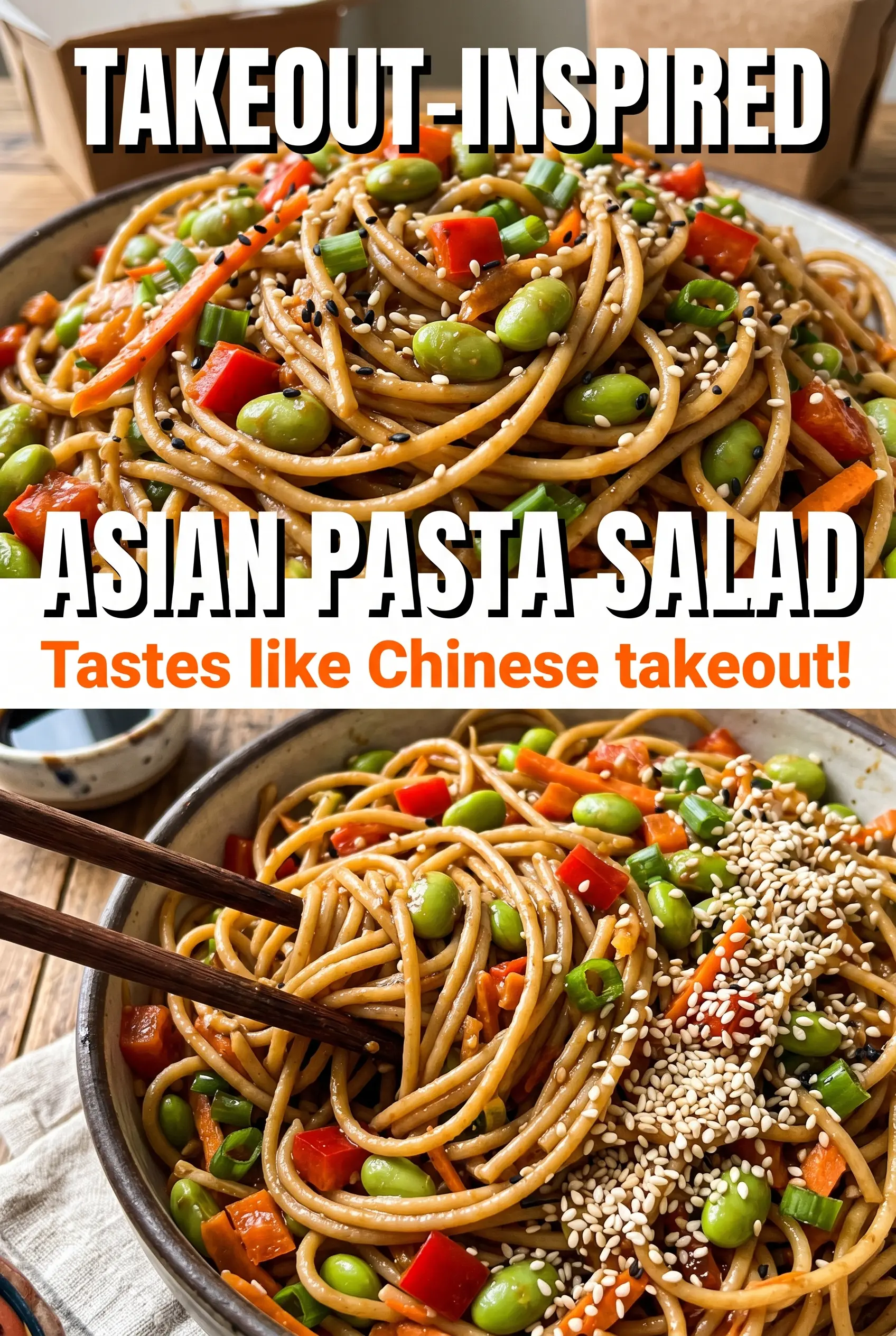
Asian Pasta Salad
Ingredients
Method
- Cook the spaghetti or linguine according to package directions until al dente. Drain and rinse with cold water to stop cooking and keep the strands springy.
- Whisk together soy sauce, rice vinegar, sesame oil, honey, grated fresh ginger, minced garlic, salt, and pepper until smooth and glossy. Taste and adjust with more salt and pepper if needed, then set aside.
- Combine the pasta, shelled edamame, shredded red cabbage, shredded carrots, and thinly sliced red bell pepper in a large bowl. Toss gently just to distribute the vegetables.
- Pour the dressing over the salad and toss to coat every strand and vegetable. Scrape the bottom of the bowl so all components get coated.
- Refrigerate the salad for at least 1 hour to let flavors meld and the crunchy vegetables chill. Cover tightly to prevent drying out.
- Top the chilled salad with sliced green onions and sesame seeds right before serving. Finish with a quick toss so the sesame seeds cling to the dressing.