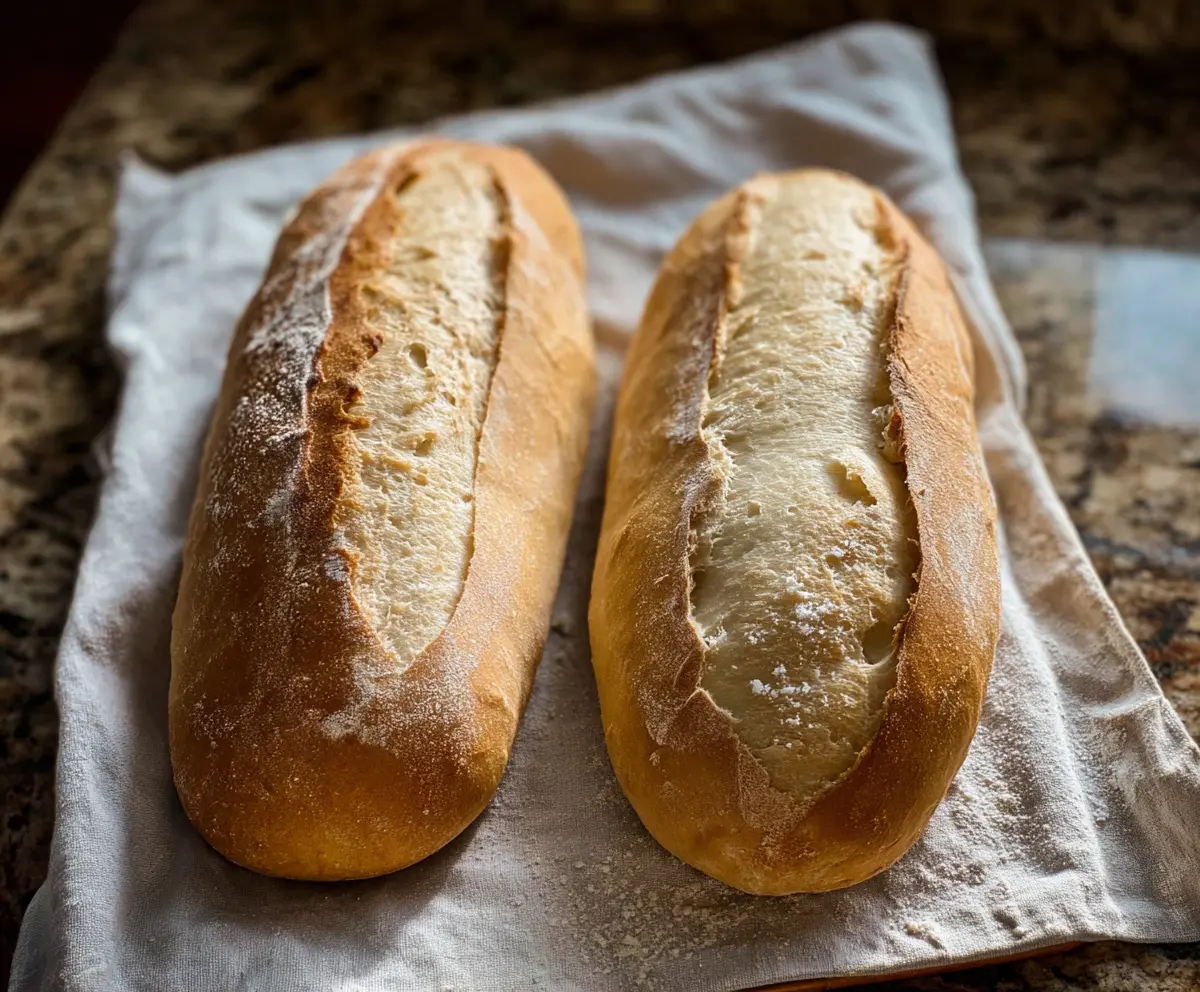
This Sourdough Discard French Bread is a tasty way to use up leftover starter! It has a lovely crust and a soft inside that makes it perfect for sandwiches or toasting.
Baking this bread is so easy! Just mix the ingredients, shape the dough, and let it rise. Plus, it fills your kitchen with a wonderful smell—you’ll want to share it with everyone!
Key Ingredients & Substitutions
Sourdough Discard: This is the star of the show! It adds flavor and a slight tang. If you don’t have sourdough discard, you can use a mixture of plain yogurt and water or buttermilk, though results will vary.
Flour: All-purpose flour works great, but you can substitute with bread flour for a chewier texture. Whole wheat flour can also be used, just remember to adjust the hydration since it absorbs more water.
Yeast: Active dry yeast is perfect here. If you happen to have instant yeast, use it instead—just add it directly to the flour mixture without proofing.
Warm Water: The ideal temperature is key for activating yeast. If you don’t have a thermometer, just ensure the water feels warm like a comfortably warm bath on your wrist.
Salt: Essential for flavor and controlling yeast growth, but if you’re low on salt, using sea salt or kosher salt is okay. Just be careful with the amount, as it might differ in saltiness.
What’s the Best Way to Knead the Dough for Perfect Texture?
Kneading is crucial for developing gluten, which gives bread its structure. Here’s how to do it right:
- Turn the dough onto a floured surface and flatten it slightly.
- Fold the dough in half, then push down and away with the heel of your hand.
- Rotate the dough a quarter turn and repeat this process for 8-10 minutes. If it’s too sticky, lightly dust with more flour—but don’t overdo it!
- Keep an eye out for the “windowpane test”: stretch a small piece of dough. If it stretches without tearing, you’re done!
Don’t rush this step; it makes a big difference! A well-kneaded dough results in bread that’s nice and airy.
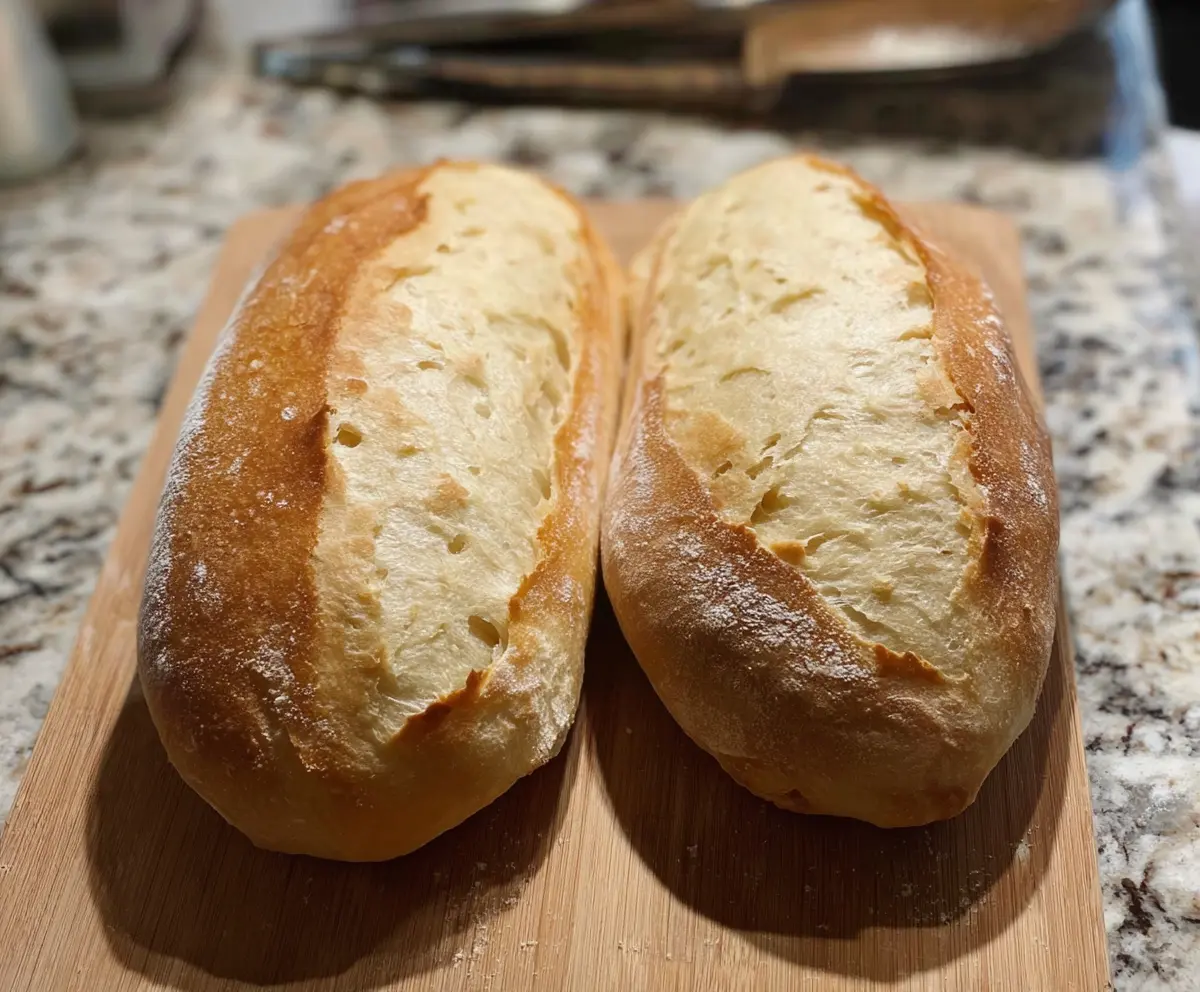
How to Make Sourdough Discard French Bread
Ingredients You’ll Need:
For the Bread:
- 1 cup sourdough discard (unfed)
- 3 1/2 cups all-purpose flour (plus extra for shaping)
- 1 1/4 cups warm water (about 100–110°F / 38–43°C)
- 2 tsp active dry yeast
- 1 1/2 tsp salt
- 1 tsp sugar or honey (optional, to help yeast activation)
How Much Time Will You Need?
Total time for this recipe is about 3 hours. You’ll spend about 15-20 minutes preparing the dough. The first rise will take 1 to 1.5 hours, and the second rise will take another 30-45 minutes before baking for 20-25 minutes. So, set aside some time to enjoy this delightful bread!
Step-by-Step Instructions:
1. Prepare the Yeast Mixture:
In a large mixing bowl, combine the warm water, sugar (if you’re using it), and active dry yeast. Stir gently and let this mixture sit for about 5-10 minutes until it becomes foamy. This shows that your yeast is active and ready to work!
2. Mix in the Sourdough Discard:
Add the sourdough discard and salt into the yeast mixture. Stir everything together until it’s well combined. The mixture should be somewhat smooth and uniform.
3. Form the Dough:
Gradually add the flour, one cup at a time, stirring with a wooden spoon or a dough hook attachment as you go. Keep adding flour until a sticky dough forms that pulls away from the sides of the bowl.
4. Knead the Dough:
Turn the dough out onto a floured surface and knead it for about 8-10 minutes. You want the dough to become smooth and elastic. If it’s too sticky, sprinkle in a little extra flour, but try to keep the dough slightly tacky for the best texture.
5. Let the Dough Rise:
Place your kneaded dough in a lightly oiled bowl. Cover it with a damp cloth or some plastic wrap and let it rise in a warm place for about 1 to 1.5 hours, or until it’s doubled in size. This is where the magic happens!
6. Shape the Loaves:
After the dough has risen, punch it down to release the air. Divide it into two equal pieces and shape each piece into an elongated oval loaf, just like traditional French bread.
7. Second Rise:
Place the shaped loaves on a baking sheet lined with parchment paper or a lightly floured cloth. Cover them again and let them rise for another 30-45 minutes until they look puffy.
8. Preheat the Oven:
While the loaves are rising, preheat your oven to 450°F (230°C). To create steam while baking (which helps with a crispy crust), place an oven-safe dish filled with water on the bottom rack.
9. Score the Loaves:
Once the loaves are ready, use a sharp knife or a lame to make a long slash down the center of each loaf. This helps the bread expand properly while baking.
10. Bake:
Put the loaves in the preheated oven and bake for about 20-25 minutes. They should turn golden brown, and when you tap the bottom, they should sound hollow—this means they’re done!
11. Cool and Enjoy:
Remove the loaves from the oven and let them cool completely on a wire rack before slicing. This step helps the texture come together, making every bite delightful.
Enjoy your crusty, flavorful sourdough discard French bread! Happy baking!
Can I Use Old Sourdough Discard for This Recipe?
Yes, you can! Just make sure it hasn’t been sitting for too long. Discard that’s 1-2 weeks old is typically still fine to use, but it should be unfed to avoid overly acidic flavors.
What If My Dough Is Too Sticky?
If your dough feels too sticky while kneading, no worries! Just sprinkle in a bit of extra flour as needed, but try to keep it slightly tacky for the best texture. Remember, it shouldn’t be dry or crumbly.
Can I Refrigerate the Dough Overnight?
Absolutely! After the first rise, you can punch down the dough, cover it well, and place it in the fridge overnight. Just let it come back to room temperature before shaping and allowing it to rise again.
How to Store Leftover Bread?
To store any leftover bread, wrap it tightly in plastic wrap or foil and keep it at room temperature for up to 2 days. For longer storage, slice and freeze the loaves in an airtight container for up to 3 months. Simply thaw and toast for delicious results!