Jammy cranberry sauce with a bright, clean tartness and just enough sweetness is the kind of side that quietly steals the plate. It turns glossy and thick as it cools, with popped berries suspended in a ruby-red syrup that clings to a spoon instead of running off it. That texture is what makes homemade cranberry sauce worth the few minutes at the stove.
The trick here is starting with the sugar dissolved in water before the cranberries go in. That keeps the sauce from tasting grainy and helps the berries cook evenly instead of scorching on the bottom of the pan. Once the cranberries burst, the sauce looks a little loose, but it thickens as it cools and firms up again in the fridge.
Below, I’m walking through the small details that matter most: when to stop cooking, why the sauce needs that full chill time, and how to adjust it if you want a thicker or looser spoonable texture.
The berries burst right on time and the sauce set up into that perfect spoonable texture after chilling. I liked that it wasn’t watery at all, and the tart-sweet balance was spot on.
Like this ruby-red cranberry sauce? Save it for the holiday table when you want a thick, glossy side with just three ingredients.
The Secret Is Letting the Sugar Dissolve Before the Cranberries Go In
Most cranberry sauce problems start at the beginning. If the sugar goes in with the berries before it dissolves, the pan can end up with a sandy texture and uneven sweetness. Boiling the water and sugar first gives you a clean syrup, so the cranberries cook in an even bath instead of fighting grains of undissolved sugar.
The other thing worth knowing is that cranberry sauce always looks thinner than you expect while it’s hot. That’s normal. Cranberries release a lot of liquid as they burst, and the sauce tightens as it cools, then firms up even more after chilling. If it seems loose in the pan, don’t keep reducing it until it turns sticky; that’s how you end up with a jammy brick instead of a spoonable sauce.
What the Three Ingredients Are Doing Here
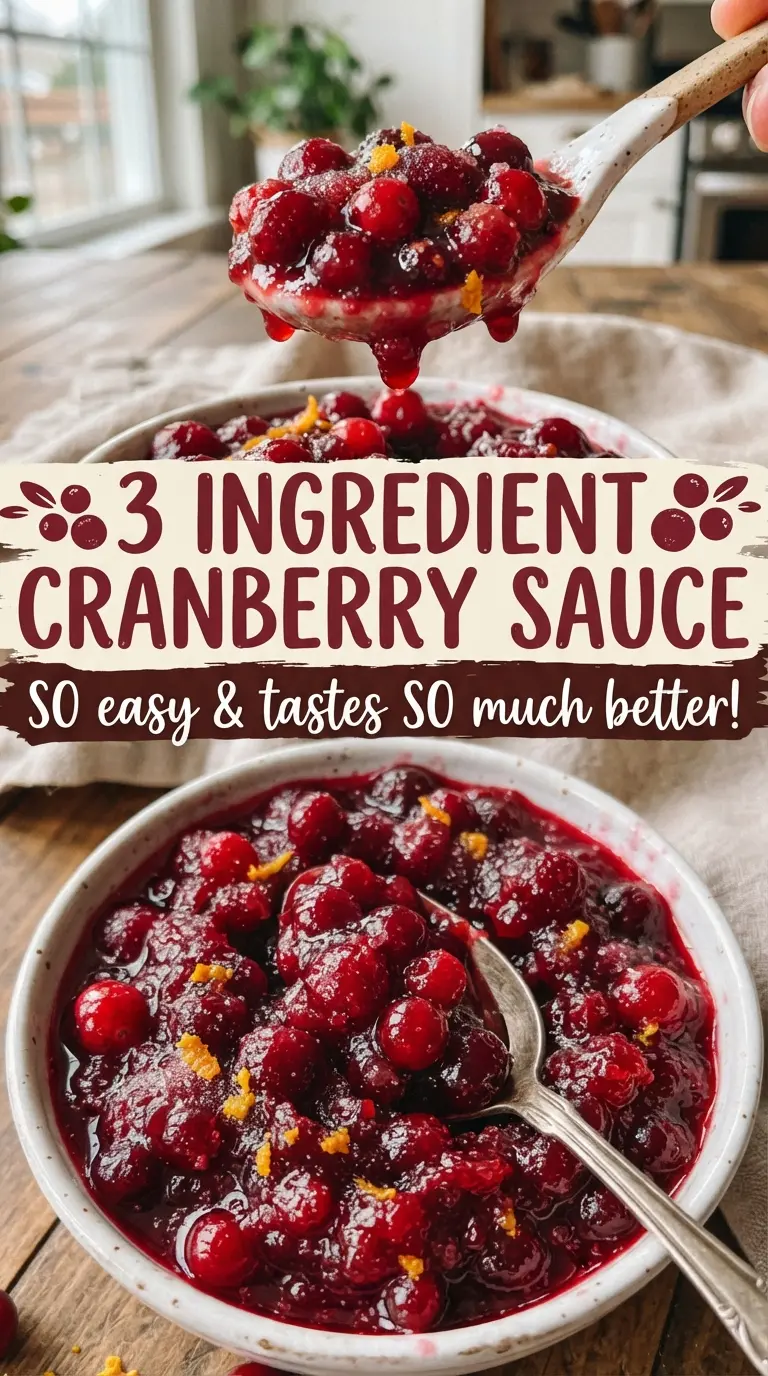
- Fresh cranberries — These bring the sharp, bright flavor and the natural pectin that helps the sauce set. Fresh is best for this recipe because the berries burst cleanly and hold their shape; frozen cranberries also work, but don’t thaw them first or they’ll release extra liquid and soften faster.
- Granulated sugar — This balances the tartness and helps create that glossy, spoon-coating texture. You need plain white sugar here because it dissolves into the syrup without adding extra color or competing flavors.
- Water — It looks basic, but it’s what lets the sugar turn into a smooth syrup before the berries go in. That first boil matters because it keeps the finished sauce sleek instead of gritty.
Cooking the Berries Until They Burst, Not Until They Collapse
Building the Syrup First
Bring the water and sugar to a full boil in a medium saucepan and stir just until the sugar disappears. You’re looking for clear liquid, not cloudy granules sitting on the bottom. Once the syrup is smooth, the cranberries can cook evenly and won’t catch on the pan as easily.
Cooking Until the Berries Pop
Add the cranberries and return the pan to a boil, then lower the heat and simmer. After a few minutes, you’ll start hearing little pops as the skins split. Stir occasionally so the berries near the bottom don’t overcook; stop when most of the berries have burst but a few are still intact for texture.
Cooling and Setting the Sauce
Take the pan off the heat as soon as the berries have burst and the sauce looks glossy. It will seem a little loose, which is exactly right. Let it cool completely, then chill it before serving so it thickens into that classic cranberry-sauce texture that holds its shape on a spoon.
How to Adjust the Texture Without Changing the Recipe
For a thicker, more jam-like sauce
Simmer it for the full 10 minutes and let it cool completely before judging the texture. Cranberry sauce thickens a lot as it chills, and it will set up more firmly overnight in the refrigerator. If you want it even thicker, keep a few more berries whole instead of cooking them all the way down.
For a looser, more spoonable sauce
Pull it from the heat a minute or two earlier and chill it once it reaches room temperature. That leaves more liquid in the pan, which makes it softer when served cold. The sauce should still coat the back of a spoon; if it runs like syrup, it needs a little more time.
Using frozen cranberries
Frozen cranberries work well with no other changes. Add them straight from the freezer and expect the sauce to take a minute or two longer to come back to a boil. Thawing first adds extra water and can make the finished sauce softer than you want.
Reducing the sugar slightly
You can cut the sugar a bit if you like a sharper cranberry sauce, but don’t drop it too far or the sauce will taste harsh and thin out more quickly. Sugar doesn’t just sweeten here; it also helps the sauce cling and set, so the texture will be looser with less of it.
Storage and Reheating
- Refrigerator: Store in a covered container for up to 1 week. It will thicken as it sits and may look firmer the next day.
- Freezer: Cranberry sauce freezes well for up to 2 months. Cool completely first, then freeze in a sealed container, leaving a little headspace for expansion.
- Reheating: Warm gently on the stove over low heat or in short bursts in the microwave. Don’t boil it hard after chilling, or the texture can loosen and the berries can turn mushy.
Answers to the Questions Worth Asking
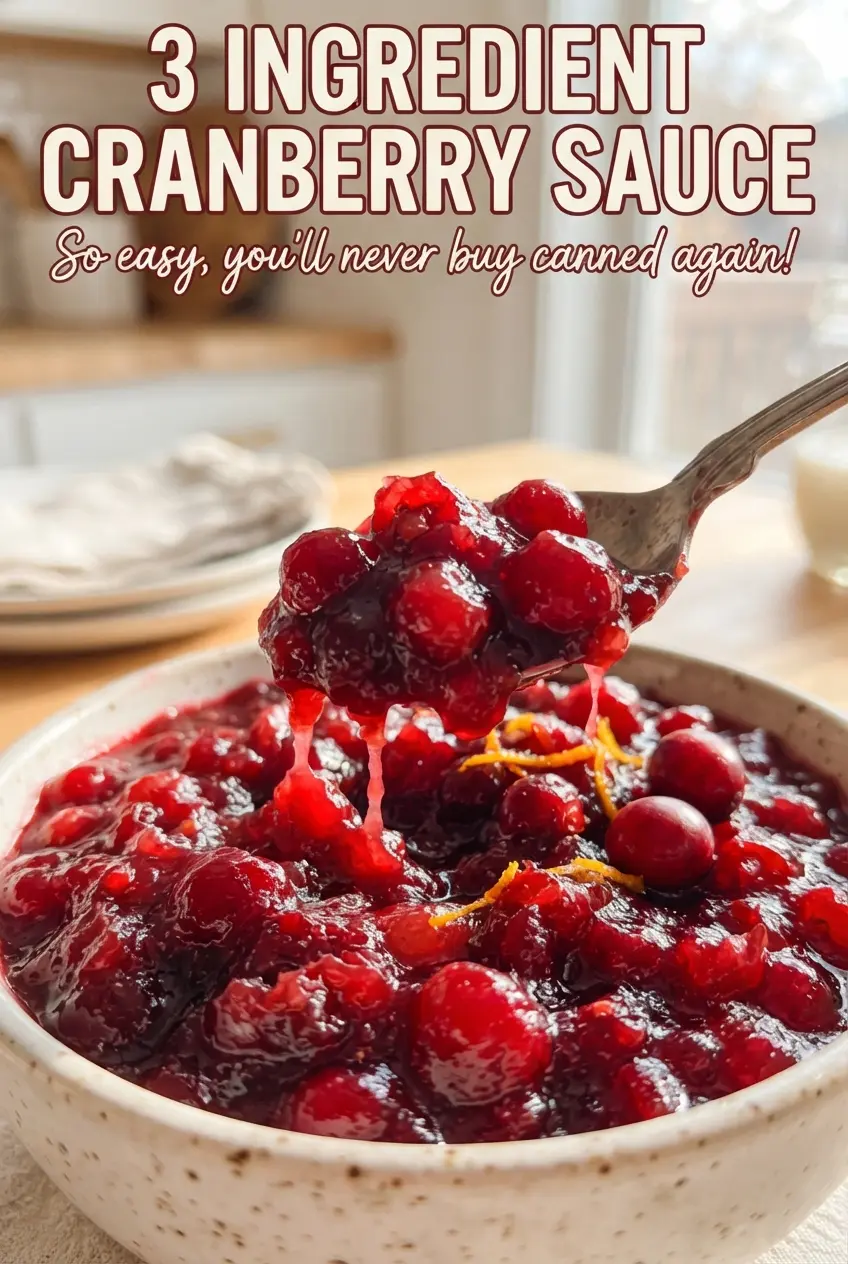
3 Ingredient Cranberry Sauce
Ingredients
Equipment
Method
- In a saucepan, combine water and granulated sugar, then bring to a boil over medium-high heat, stirring until the sugar dissolves.
- Once the mixture is at a rolling boil, keep it simmering briefly—about 1 minute—so it stays smooth and bubbling.
- Add the fresh cranberries to the boiling syrup and return to a boil, stirring gently to coat all the berries.
- Reduce heat to maintain a steady simmer and cook for 10 minutes, stirring occasionally until the berries burst and the mixture looks jammy and ruby.
- Remove the saucepan from the heat and cool completely to room temperature, letting the sauce thicken as it cools.
- Chill until serving so the cranberry sauce sets more firmly and holds its spoonable shape.