Cinnamon fried apples hit that perfect middle ground between soft and spoonable, with just enough bite left in the slices so they don’t turn to mush. The syrup clings to every piece, glossy from butter and cornstarch, and the warm cinnamon gives the whole pan a scent that makes the kitchen feel instantly calm and inviting. Served warm, they work as a side dish, a topping, or the kind of simple treat people keep sneaking straight from the skillet.
The trick is using firm apples that can handle heat without collapsing. Honeycrisp brings sweetness and keeps its shape; Granny Smith adds a sharper edge that keeps the dish from leaning too sweet. A covered cook helps the apples soften evenly, while the cornstarch slurry goes in near the end so the sauce thickens instead of turning sticky or dull.
Below you’ll find the small details that matter most, including what to do if your apples are softening too fast and how to adjust the spice balance depending on what you have on hand.
The apples held their shape and the sauce turned glossy right when it should have. I served them over pork chops and my husband kept spooning up the extra cinnamon syrup.
Save these cinnamon fried apples for a glossy skillet side that turns tender apples into warm, syrupy comfort in 15 minutes.
The Part That Keeps These Apples From Turning to Sauce
If the apples start out too soft, the whole dish loses its shape before the sugar has time to glaze. Firm apples matter here because they need to take on heat, absorb the cinnamon syrup, and still hold together when you spoon them out of the pan. Honeycrisp stays juicy and sweet; Granny Smith stays firmer and gives the sauce a brighter finish. Both work, but the texture changes depending on which direction you want the dish to lean.
The other thing that matters is the covered cook. That lid traps steam, which softens the apples evenly without forcing you to add extra liquid early. Once the apples are just tender, the cornstarch slurry goes in and the lid comes off so the sauce can thicken and turn glossy instead of watery.
What the Butter, Sugar, and Thickener Are Each Doing
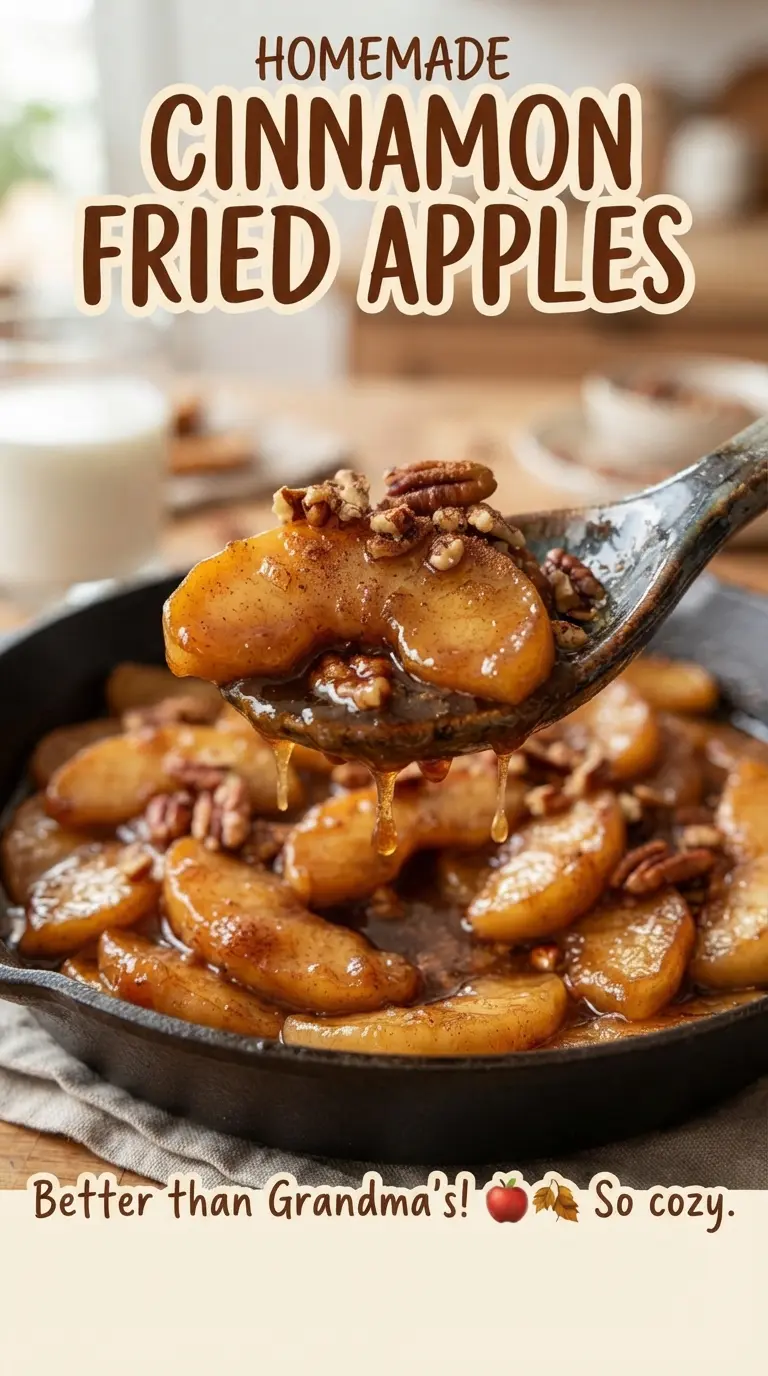
- Firm apples — Honeycrisp gives a softer bite with more sweetness, while Granny Smith keeps the filling tart and structured. Any apple that softens too quickly will collapse before the sauce finishes, so avoid varieties that bake down into applesauce.
- Butter — This is the base that carries the cinnamon and coats the apples as they cook. Salted or unsalted both work; if you use salted butter, keep the pinch of salt light so the sauce stays balanced.
- Brown sugar — Packed brown sugar melts into the butter and apple juices, creating the syrupy backbone of the dish. Dark brown sugar gives a deeper molasses note, while light brown sugar keeps the flavor cleaner and more classic.
- Cornstarch — This is what turns the juices into a glossy sauce that clings to the fruit. Flour won’t thicken as cleanly here, and arrowroot can work, but it tends to lose body faster once the dish cools.
- Vanilla — Stir it in at the end so it stays fragrant instead of cooking off. It rounds out the cinnamon and makes the sauce taste fuller without making it taste like dessert.
Cooking the Apples So They Stay Tender, Not Mushy
Coating the Fruit in the Pan
Melt the butter over medium heat until it foams, then add the apples, sugar, spices, and salt all at once. Stir right away so the apple slices get coated before the sugar starts to catch on the bottom of the skillet. The pan should smell warm and buttery almost immediately. If the heat is too high, the sugar will start to stick before the apples have a chance to release their juices.
Using the Lid for the First Cook
Cover the skillet and cook the apples until they’re just tender, stirring once or twice so the slices on the bottom don’t overdo it. You’re listening for a gentle simmer, not a hard boil. The apples should bend easily with a fork but still keep their edges. If they look collapsed before the center is softened, the heat was too aggressive or the apple variety was too soft to begin with.
Thickening the Syrup at the End
Whisk the cornstarch with water until it’s completely smooth, then pour it into the skillet and stir continuously. This is the point where the sauce turns from thin and juicy to glossy and spoonable. Let it bubble for a couple of minutes so the starch can activate fully; if you pull it too early, the sauce will stay cloudy and loose. Finish with vanilla off the heat or at the very end so the aroma stays fresh.
How to Adapt These Cinnamon Fried Apples for Different Tables
Dairy-Free Version
Use a good plant-based butter that browns and melts like dairy butter. The sauce will still turn glossy, though the flavor will be a little less rich and a little more neutral. Choose one with a clean buttery taste so the cinnamon and vanilla still stand out.
Less Sweet, More Tart
Swap some or all of the Honeycrisp for Granny Smith and reduce the brown sugar slightly if you want a sharper, more savory side dish. The apples will taste brighter and work especially well next to pork or roasted chicken. The sauce will still thicken the same way; it just won’t lean as dessert-like.
Gluten-Free and Naturally Thickened
This recipe is already gluten-free as written as long as your cornstarch is certified gluten-free. That makes it an easy side for holiday tables or weeknight dinners without changing the texture. Keep the slurry smooth and add it only after the apples are tender so the sauce finishes clean and glossy.
Storage and Reheating
- Refrigerator: Store in an airtight container for up to 4 days. The sauce will thicken as it cools, and the apples will soften a little more overnight.
- Freezer: It freezes, but the apples lose some of their texture after thawing. Freeze only if you’re fine with a softer finish, and let it cool completely before packing it up.
- Reheating: Warm gently in a skillet over low heat with a splash of water if needed. High heat can break the sauce and push the apples past tender into mushy.
Answers to the Questions Worth Asking
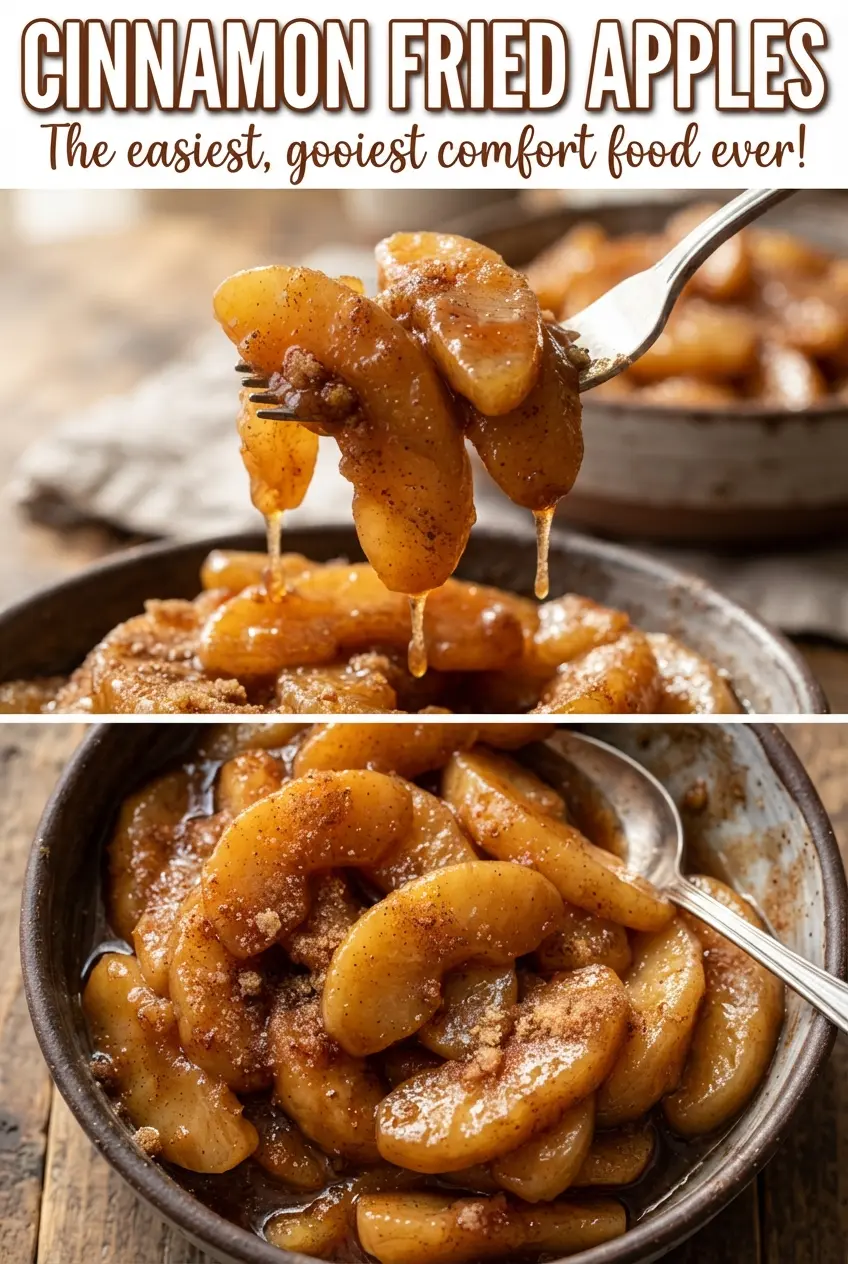
Cinnamon Fried Apples
Ingredients
Equipment
Method
- Melt the butter in a large cast iron skillet over medium heat, until fully melted and glossy. This should take about 1 minute, and the butter should lightly sizzle when you tilt the pan.
- Add the apples, brown sugar, ground cinnamon, nutmeg, and salt, then stir to coat the slices evenly. Cook uncovered for 2 minutes to start softening the apples and dissolve the sugar.
- Cover the skillet and cook 8-10 minutes, stirring occasionally, until the apples are just tender. Keep the heat at medium so you get steam and gentle bubbling under the lid.
- Whisk the cornstarch with the water until smooth, then pour it into the skillet while stirring. Scrape the bottom to lift any caramelized bits so the sauce thickens evenly.
- Simmer 2-3 minutes, stirring frequently, until the sauce thickens and turns glossy. You should see a light syrup coat the back of a spoon.
- Stir in the vanilla extract and remove from heat, then serve warm. Let it sit 2 minutes so the sauce clings to the apples.