Cold creamy pasta salad lives or dies on the dressing clinging to the noodles instead of sliding into the bottom of the bowl. The best versions taste bright, crisp, and balanced, with enough tang to keep the mayo from feeling heavy and enough salt to wake up every bite. When it’s done right, you get tender pasta, crunchy vegetables, and a dressing that settles into the ridges without turning gluey after chilling.
This version works because the dressing is built with both mayonnaise and sour cream, which gives it body and a little clean tang. Apple cider vinegar and Dijon keep the flavor from going flat, and a small amount of sugar rounds out the sharp edges without making it sweet. The vegetables stay fresh and lively because they’re folded in after the pasta has cooled, so they don’t steam and soften in the dressing.
Below you’ll find the small details that keep this salad from getting watery or bland, plus a few ways to adapt it for a picnic, a potluck, or a fridge-clearing lunch.
The dressing coated every piece without pooling, and after two hours in the fridge the pasta still had great texture. I got compliments on the crunch from the cucumber and celery all afternoon.
Save this creamy pasta salad for picnics, potlucks, and make-ahead dinners when you want a cold side dish with real crunch.
The Reason This Salad Stays Creamy Instead of Turning Thick and Dry
Most creamy pasta salads start to disappoint after they sit because the dressing gets absorbed unevenly and the whole bowl tightens up. The fix is in the ratio and the chill time. This dressing starts slightly looser than you might expect, which lets it coat every piece of pasta now and still taste silky after the salad rests in the fridge.
Rinsing the pasta under cold water stops the cooking fast and washes away extra surface starch. That matters here because starch can make the dressing muddy and overly thick. The other trick is letting the salad rest long enough for the pasta to absorb flavor before you serve it, then giving it one last toss so the dressing redistributes.
- Cold pasta — Warm noodles will melt the dressing and make the vegetables lose their snap. Rinse until the pasta is fully cool, then let it drain well.
- Apple cider vinegar — This is what keeps the salad from tasting flat. White vinegar works in a pinch, but apple cider vinegar brings a softer edge that fits the creamy dressing.
- Rotini or bow-tie pasta — Shape matters because the ridges and folds grab dressing. Smooth pasta won’t hold onto the sauce as well.
- Rest time — The two-hour chill isn’t idle time. It’s when the flavors settle together and the dressing thickens around the pasta.
What Each Ingredient Is Actually Doing in the Bowl
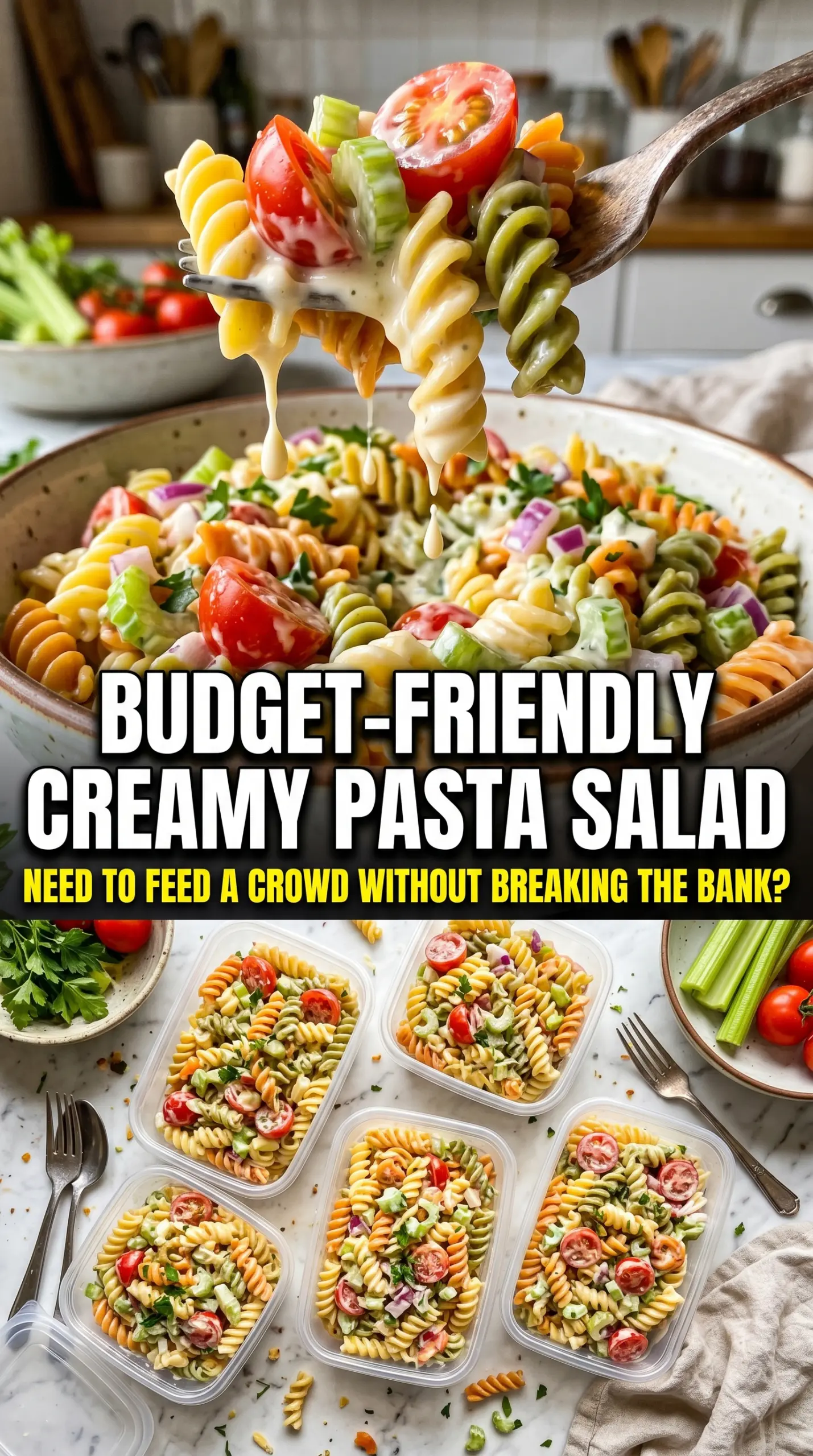
The mayonnaise gives the salad its rich base, but the sour cream keeps it from tasting one-note. That combination is better than using mayo alone because sour cream adds tang and a lighter finish. If you only have plain Greek yogurt, it can replace the sour cream, though the dressing will taste a little sharper and a touch less lush.
Dijon mustard does quiet work here. You don’t taste mustard in a loud, obvious way; you taste balance. Sugar rounds out the vinegar and helps the dressing read as creamy instead of sharply acidic, so don’t skip it unless you’re intentionally leaning more tangy.
- Cherry tomatoes — They bring juiciness and color, but they can water the salad down if they’re overripe. Halve them right before mixing so they stay fresh.
- Cucumber — This adds crunch, which is the main reason the salad feels lively after chilling. Dice it small enough to fit on a fork with the pasta.
- Red onion — Finely diced onion gives bite without taking over. If yours is sharp, soak it in cold water for 10 minutes and drain well.
- Celery and carrots — These are there for texture first. Cut them small so every scoop gets a little crunch instead of big awkward chunks.
Building the Salad So the Dressing Clings to Every Bite
Whisking the Dressing Smooth
Start with the mayonnaise, sour cream, vinegar, sugar, Dijon, salt, and pepper in a large bowl. Whisk until the mixture looks completely smooth and glossy, with no streaks of sour cream left behind. If the dressing tastes too sharp at this point, don’t add more sugar right away; wait until the salad is mixed and chilled, because the pasta will mellow it a bit. The dressing should taste a touch bolder than you want the final salad to taste.
Cooling the Pasta the Right Way
Cook the pasta just to al dente, then drain it and rinse it under cold water until it’s fully cool. Shake off as much water as you can, because excess water is the main reason creamy pasta salad turns loose and diluted. If you leave the pasta even slightly warm, it keeps absorbing dressing unevenly and softens the vegetables. Let it sit in the colander for a minute or two before mixing.
Mixing Without Crushing the Vegetables
Add the cooled pasta and vegetables to the dressing and toss gently until everything is coated. Use a spatula or large spoon and fold from the bottom up so the tomatoes don’t break apart. If the bowl looks dry before everything is coated, the pasta probably wasn’t drained well enough or the dressing was too thick from the start. A small spoonful of milk or another tablespoon of sour cream can loosen it, but add it slowly.
The Chill That Makes It Taste Finished
Cover the bowl and refrigerate for at least two hours. That resting time matters because the flavor settles, the dressing thickens, and the pasta stops tasting separate from the vegetables. Right before serving, toss it again and check the seasoning. Cold food needs more salt than warm food, so the final adjustment is what makes the salad taste complete.
How to Adapt This Salad for the Fridge, the Picnic Table, or a Different Diet
Dairy-Free Version
Use all mayonnaise and swap the sour cream for a dairy-free sour cream alternative. The dressing will still be creamy, but the tang may read a little differently depending on the brand, so taste after chilling and add a splash more vinegar if needed.
Gluten-Free Pasta Salad
Use your favorite gluten-free rotini or bow-tie pasta and cook it just until tender, since GF pasta can go from firm to mushy fast. Rinse it well and toss gently, because some gluten-free noodles are more fragile and can break if you stir aggressively.
Make It a Little Lighter
Replace part of the mayonnaise with plain Greek yogurt for a sharper, lighter salad. The texture will still be creamy, but the flavor becomes tangier and less rich, so I like to keep at least half the mayo in place for balance.
Storage and Reheating
- Refrigerator: Store covered for up to 4 days. The pasta will absorb some dressing, so expect it to thicken a bit.
- Freezer: Don’t freeze this one. The mayonnaise and vegetables separate and turn watery after thawing.
- Reheating: Serve it cold. If it has tightened up in the fridge, stir in a spoonful of mayo or a splash of vinegar and let it sit at room temperature for 10 minutes before serving.
Questions I Get Asked About This Recipe
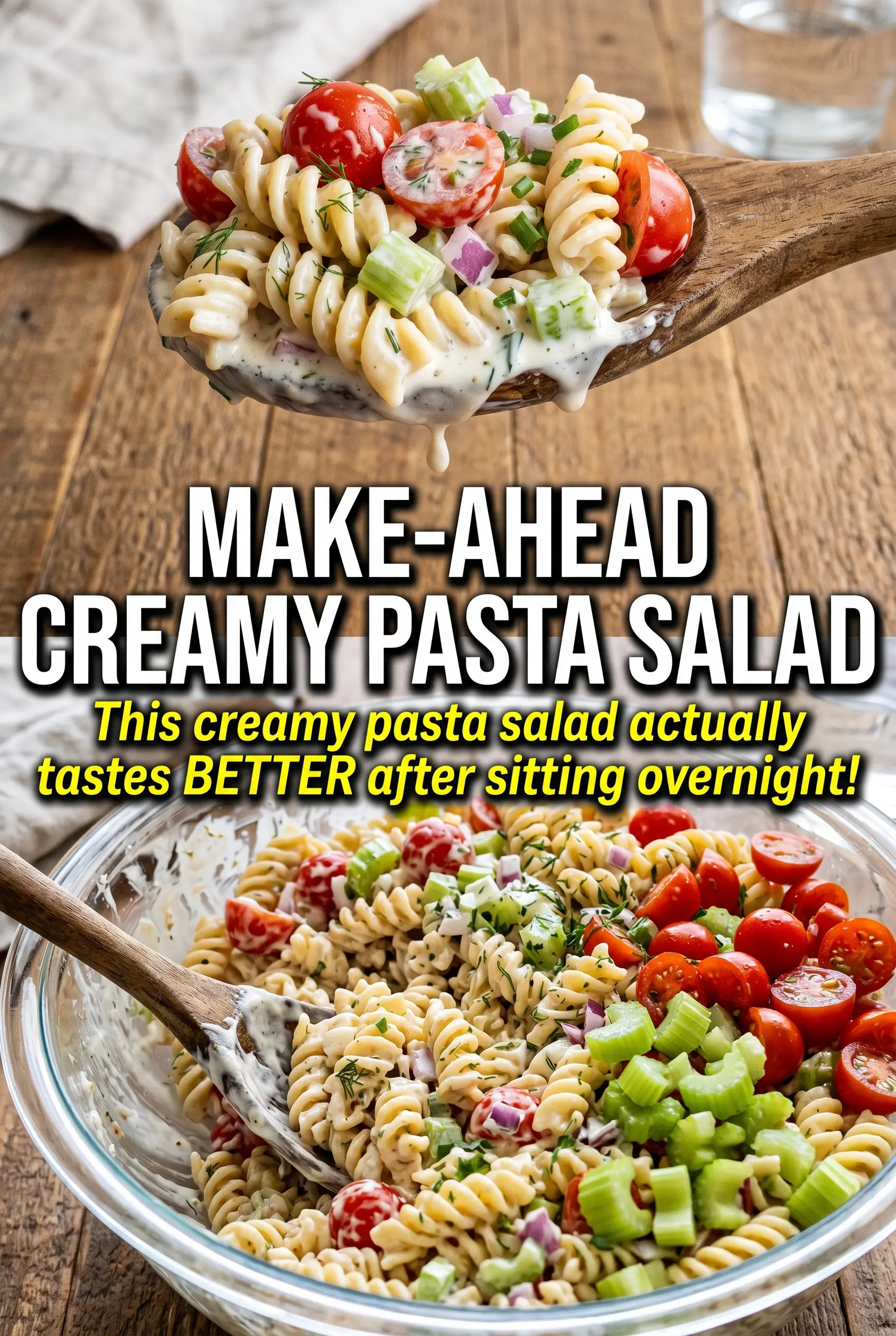
Creamy Pasta Salad
Ingredients
Equipment
Method
- Bring a Dutch oven of salted water to a boil and cook the rotini or bow-tie pasta according to package directions. Look for the pasta to turn tender but still hold its shape.
- Drain the pasta and rinse with cold water until no steam rises. Spread it on a sheet pan so it cools quickly without clumping.
- In a large bowl, whisk together mayonnaise, sour cream, apple cider vinegar, sugar, Dijon mustard, salt, and pepper. Keep whisking until the dressing looks smooth and evenly pale.
- Add the cooled pasta, cherry tomatoes, cucumber, red onion, celery, and shredded carrots to the dressing. Toss until every piece looks lightly coated.
- Cover and refrigerate the pasta salad for at least 2 hours to let flavors meld. It should look thicker and more cohesive as it chills.
- Toss again before serving and adjust salt and pepper if needed. The vegetables should look fresh and the dressing should coat lightly, not pool.