Cold pasta salad lives or dies on the texture of the noodles, and gluten-free pasta can go either way. When it’s cooked just right and chilled with a sharp Italian dressing, it turns into a sturdy, tangy side dish that holds up on the table instead of collapsing into a gummy mess. The salami, mozzarella, and vegetables give you the same bold, crowd-pleasing mix you want from a classic Italian-American pasta salad, but with a gluten-free base that still eats like a real meal.
The trick is treating the pasta a little differently from regular semolina pasta. Gluten-free noodles need plenty of salted water, careful timing, and a cold rinse to stop the cooking fast. That rinse is what keeps the salad from turning soft after it chills. The dressing also matters here: a bright, well-seasoned Italian dressing coats the pasta and keeps the cubes of cheese and salami tasting clean and balanced instead of flat.
Below, I’ve included the detail that matters most with gluten-free pasta, plus the swaps I trust when I need this salad to fit the fridge I’ve got, not the one I wish I had.
The pasta held up after chilling overnight and the dressing soaked in without getting mushy. I added a little extra Parmesan right before serving and it tasted even better the next day.
Like this gluten-free Italian pasta salad? Save it for potlucks, meal prep, and those nights when you want a cold side that actually stays firm.
The Part Most Gluten-Free Pasta Salads Get Wrong
Gluten-free pasta doesn’t forgive overcooking the way regular pasta sometimes can. A minute too long in the pot and the noodles go from pleasantly firm to soft enough to break apart once the dressing hits them. That’s why this recipe works best when you cook the pasta until it’s just tender, then rinse it under cold water right away to stop the carryover cooking.
The other mistake is dressing the salad while the pasta is still hot. Hot gluten-free pasta can absorb too much dressing too fast and end up heavy instead of coated. Let the pasta cool after rinsing, then toss everything together and chill it for at least two hours so the flavors settle in without the texture slipping.
- Gluten-free pasta — Rotini or penne hold the dressing best because their ridges catch the Italian seasoning and tiny bits of onion. Short shapes also stay more stable after chilling than long noodles.
- Italian dressing — Use one you actually like on its own. It’s doing the seasoning work here, so a flat dressing will give you a flat salad.
- Salami and mozzarella — These add the salty, savory backbone. Pre-cubed is fine, but cutting them yourself gives cleaner edges and better bite.
- Red onion — Dice it fine so it sharpens the salad without taking over. If yours is strong, soak it in cold water for 10 minutes and drain well before adding it.
What Each Ingredient Is Actually Doing in This Salad
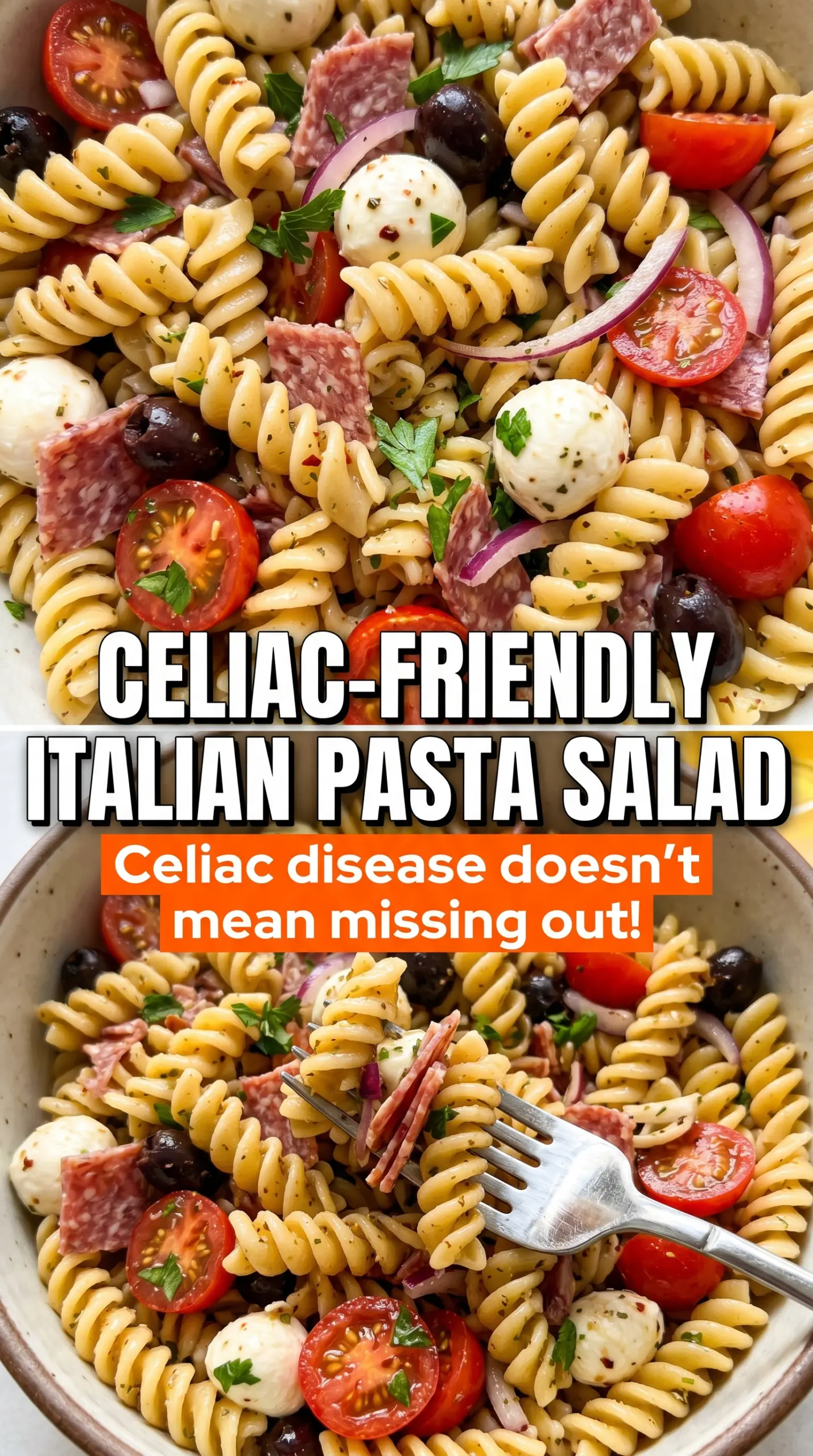
- Gluten-free pasta — This is the structure of the salad, and it needs the right shape as much as the right cook time. Rotini grabs dressing in the spirals, while penne gives you a firmer, cleaner bite.
- Gluten-free Italian dressing — This brings acidity, oil, herbs, and salt in one shot. Homemade works if you have a reliable blend, but bottled dressing is fine here as long as it tastes bright.
- Parmesan — It adds a salty, nutty layer that sticks to the pasta better than shredded hard cheese with anti-caking agents. Grated Parmesan melts into the dressing just enough to round everything out.
- Cucumber and cherry tomatoes — These bring freshness and juice, which keeps the salad from feeling heavy. Cut them small enough to distribute well, but not so small that they disappear after chilling.
- Black olives — They add briny depth and help balance the richness of the salami and mozzarella. If you’re skipping them, add a pinch more salt and a little extra dressing so the salad doesn’t taste one-note.
Building the Bowl Without Letting the Pasta Fall Apart
Cooking the Pasta to the Right Point
Cook the gluten-free pasta according to the package, but start checking it a minute or two before the lowest time listed. You want it tender with a little bite, not soft in the center. Drain it, then rinse it under cold water until it feels cool all the way through. If you skip the rinse, the residual heat keeps cooking the noodles and the salad turns mushy after chilling.
Mixing in the Good Stuff
Add the pasta to a large bowl with the salami, mozzarella, tomatoes, cucumber, olives, and red onion. Toss gently so the cubes of cheese stay intact and the vegetables don’t get crushed. If the bowl feels cramped, move to a bigger one; tight quarters make the pasta break and the dressing distribute unevenly.
Letting the Dressing Settle
Pour in the Italian dressing, Parmesan, and Italian seasoning, then toss until everything looks evenly coated. Season with salt and pepper only after you taste it, since the salami, dressing, olives, and Parmesan already bring plenty of salt. Chill the salad for at least two hours so the pasta absorbs flavor without losing structure. Toss again before serving and add a splash more dressing if the pasta has soaked up too much.
Three Ways to Make This Salad Fit the Fridge You Have
Dairy-Free Version
Skip the mozzarella and Parmesan, then add extra olives or chopped roasted red peppers for more body. The salad will taste a little less creamy and salty, so use a dressing with good acidity and don’t be shy with pepper.
Vegetarian Italian Pasta Salad
Leave out the salami and add chickpeas or diced marinated artichokes for a more substantial bite. You lose some of the salty, savory punch, so boost the Parmesan slightly or use a stronger dressing to bring the same balance back.
Lower-Sodium Shortcut
Use low-sodium salami or cut the amount back a little, then rely on the vegetables and herbs to carry the flavor. Taste after chilling, not before, since cold food reads salt more softly than warm food.
Storage and Reheating
- Refrigerator: Store covered for up to 4 days. The pasta may absorb some dressing as it sits, so it can look a little drier on day two.
- Freezer: This one doesn’t freeze well. The pasta softens, and the vegetables lose their crisp bite after thawing.
- Reheating: Serve it cold or let it sit at room temperature for 15 to 20 minutes. Don’t microwave it; heat breaks the texture and makes the mozzarella rubbery.
Answers to the Questions Worth Asking
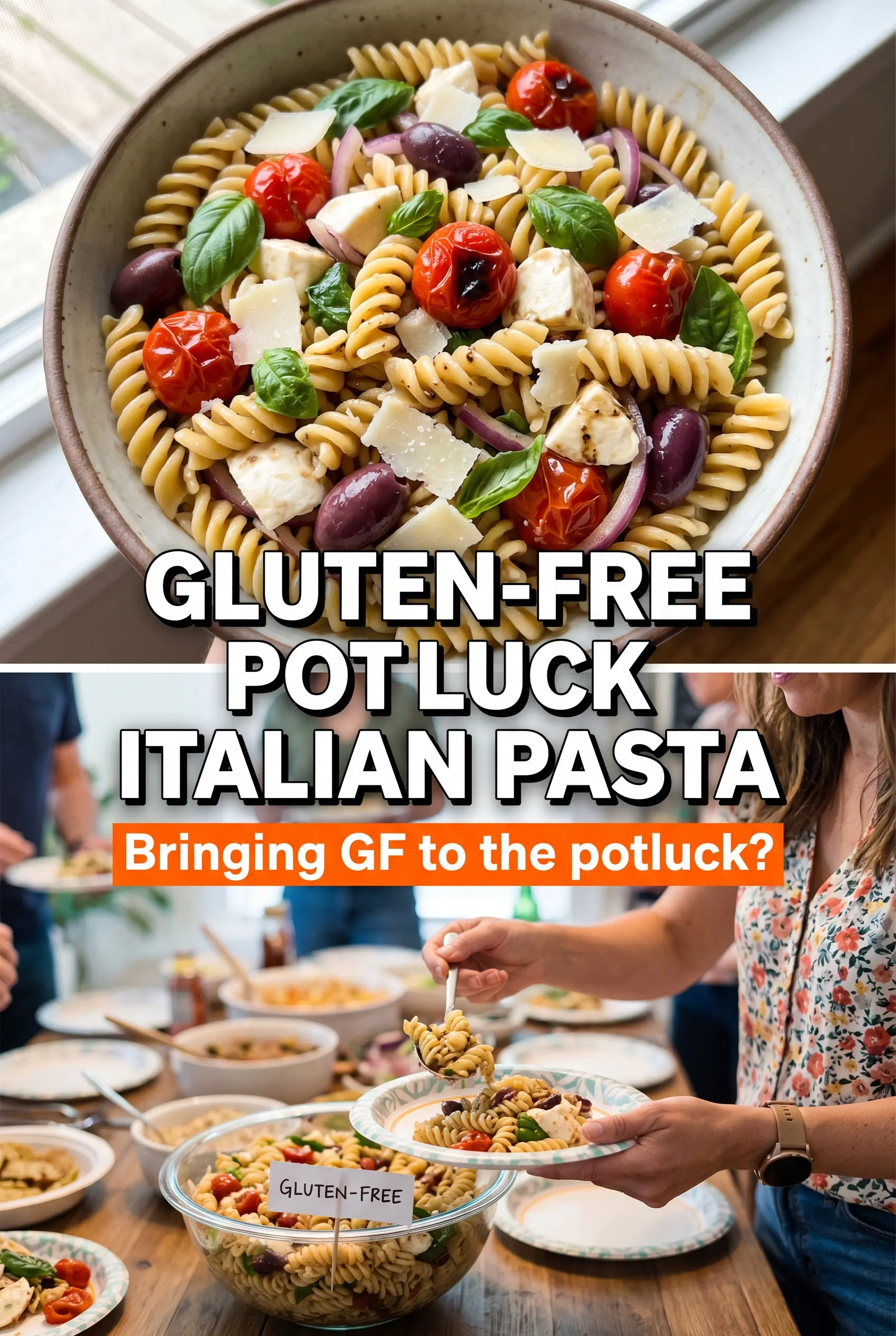
Gluten-Free Italian Pasta Salad
Ingredients
Method
- Cook the gluten-free pasta according to package directions (it may take longer than regular pasta), until al dente. Drain and rinse with cold water to stop cooking and keep the pasta from clumping.
- Add the pasta, salami, mozzarella, cherry tomatoes, cucumber, black olives, and red onion to a large bowl. Toss to distribute the ingredients evenly so every bite has mix-ins.
- Pour in the gluten-free Italian dressing, then add the Parmesan cheese and Italian seasoning. Toss thoroughly until the pasta looks evenly coated and shiny.
- Season with salt and pepper to taste. Mix again and check that the vegetables and pasta are well seasoned.
- Refrigerate for at least 2 hours before serving. Cover to prevent drying and let flavors meld while the pasta firms up.
- Toss again right before serving and adjust the dressing if needed. If it looks dry, add a small splash of gluten-free Italian dressing and stir until glossy.