Pasta salad only works when every bite tastes seasoned, chilled, and bright, not like plain noodles waiting for dressing. This Greek pasta salad gets there fast because the lemon-oregano dressing clings to the ridges of the pasta, the cucumbers stay crisp, and the feta brings enough salt to pull the whole bowl together. It’s the kind of side dish that disappears first at potlucks because it actually tastes like something, not just a mix of cold ingredients.
The trick is in the balance. Rinsing the pasta stops the cooking and cools it down quickly, but the real payoff comes from letting the salad rest long enough for the dressing to soak into the pasta. The tomatoes give you juices, the olives bring briny depth, and a little red onion cuts through the richness of the feta. If you’ve ever had pasta salad taste flat after chilling, it usually needed more acid and a little more salt than you thought.
Below, I’m walking through the part that matters most: how to keep the vegetables crisp, how to get the dressing right, and how far ahead you can make it without losing that fresh Greek salad feel.
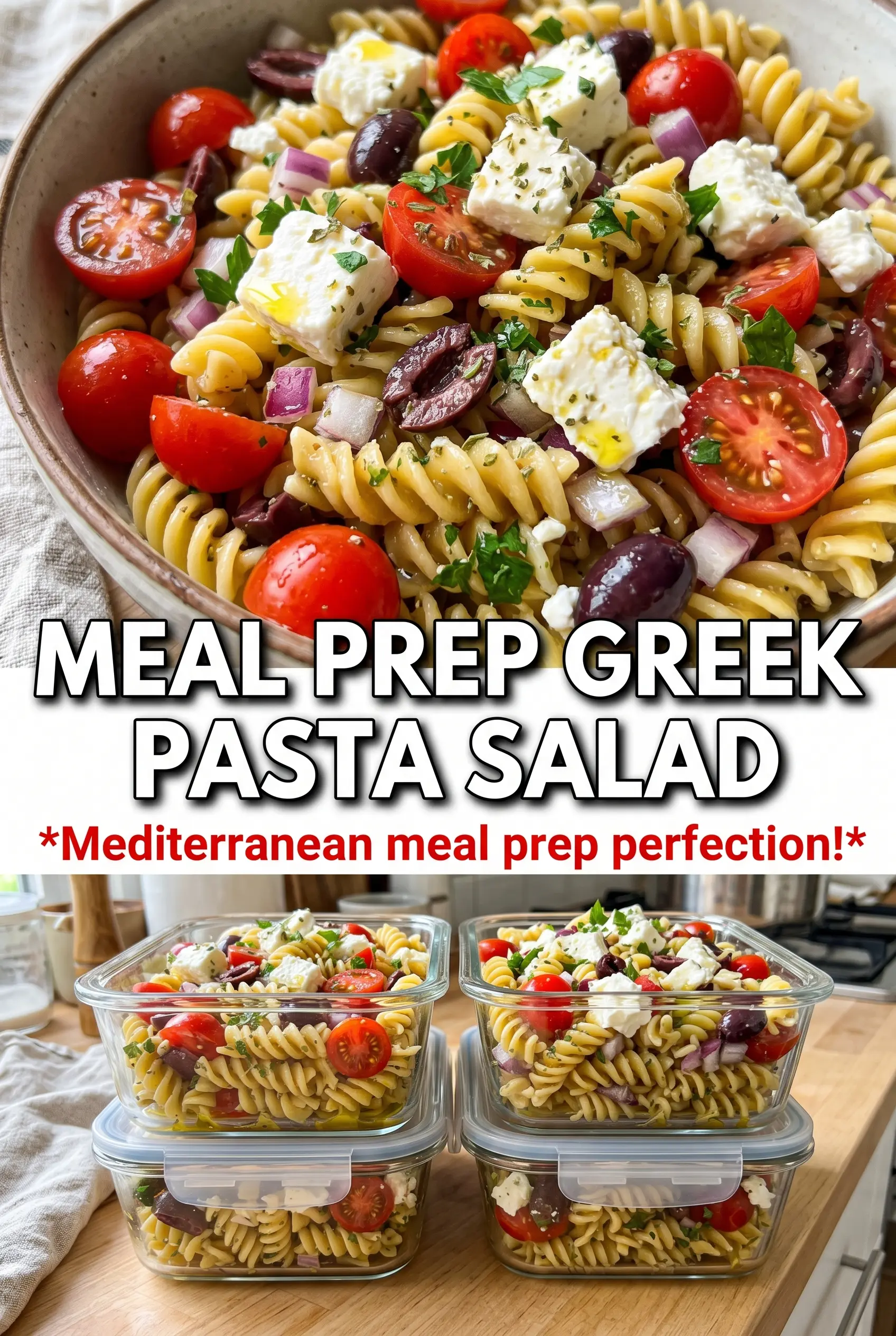
The dressing soaked into the pasta after chilling and the feta stayed nice and creamy. I made it the night before and it was even better the next day, with the cucumbers still crisp.
Greek Pasta Salad with lemon-oregano dressing is the kind of chilled side that gets better as it sits.
The Pasta Salad Mistake That Leaves Everything Bland
Most pasta salads fail because the pasta itself never gets properly seasoned, and the dressing just sits on the outside. That’s especially true with cold salads, where flavors mute as they chill. This version avoids that by using enough acid, enough salt, and enough time in the fridge for the pasta to absorb the dressing instead of fighting it.
The other mistake is soggy vegetables. Cucumbers and tomatoes release liquid as they sit, so you want the pasta fully cooled before you toss everything together. If the pasta is even a little warm, it softens the cucumber and thins the dressing too quickly. A rested salad tastes intentional; a rushed one tastes watery.
- Cooling the pasta completely keeps the feta from melting and helps the dressing stay balanced instead of greasy.
- Red wine vinegar plus lemon juice gives the salad two kinds of brightness: sharp and fresh.
- Fresh oregano tastes cleaner and more alive, but dried oregano works if you rub it between your fingers before adding it.
- Chilling time is part of the recipe, not an extra step. The bowl needs those two hours.
What Each Ingredient Is Doing in the Bowl
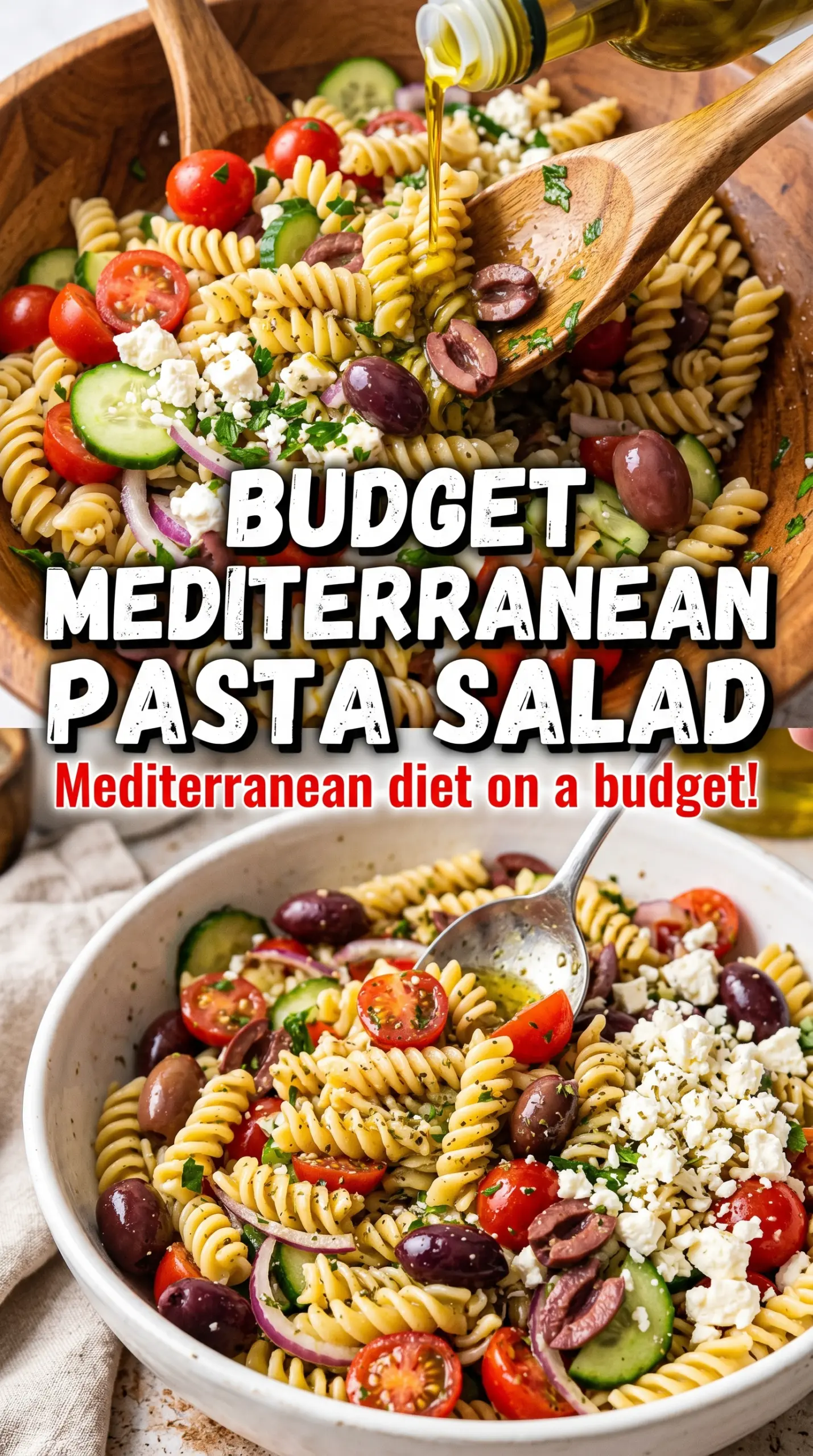
- Penne or rotini pasta gives the dressing plenty of surface area to cling to. Rotini traps more bits of onion and feta in the twists, while penne holds up a little better if the salad sits overnight.
- Kalamata olives bring the briny bite that makes this taste Greek instead of just “pasta with vegetables.” Green olives can work in a pinch, but they’re sharper and less rich.
- Feta cheese matters here. Use a block and crumble it yourself if you can, since pre-crumbled feta tends to be drier and less creamy. Hold some back for the top so the salad looks fresh when it hits the table.
- Olive oil, lemon juice, and red wine vinegar create the dressing’s backbone. The oil rounds out the acid, while the vinegar and lemon keep the flavor lively after chilling.
- Red onion should be sliced thin so it brings bite without taking over. If yours is especially sharp, soak it in cold water for 10 minutes and drain well before mixing.
How to Keep the Salad Crisp After Chilling
Cooking the Pasta for a Cold Salad
Cook the pasta just to al dente, then drain it and rinse it under cold water until it stops steaming. That rinse does two jobs: it stops the cooking and strips off surface starch so the dressing doesn’t turn gummy. If you overcook the pasta, it will go soft in the fridge and lose the texture that makes pasta salad worth eating.
Whisking the Dressing Until It Smells Bright
Whisk the olive oil, lemon juice, vinegar, garlic, oregano, salt, and pepper until the dressing looks slightly emulsified and smells sharp and herbal. You’re not looking for a thick sauce here, just enough body that it coats the pasta instead of sliding straight to the bottom of the bowl. Taste it before you toss it with the salad; cold pasta dulls seasoning, so the dressing should taste a touch bolder than you think it needs to.
Letting the Salad Rest Without Losing Texture
Toss everything together gently so the feta doesn’t disappear and the tomatoes don’t burst completely. The salad needs at least two hours in the fridge for the flavors to settle in, but don’t skip the final stir before serving because the dressing collects at the bottom. Add the remaining feta right before it goes on the table so the top stays creamy and the bowl looks fresh.
How to Adapt This for Different Tables
Dairy-Free Greek Pasta Salad
Leave out the feta and add extra olives, a little more salt, and a spoonful of capers if you want more briny punch. You’ll lose the creamy, salty contrast from the cheese, so the dressing needs to carry more of the flavor on its own.
Gluten-Free Pasta Salad That Still Holds Up
Use a sturdy gluten-free pasta shape and cook it just until tender, then rinse and cool it right away. Gluten-free pasta can turn fragile after a long rest, so keep an eye on the package directions and don’t let it sit in the hot water even a minute too long.
Make-Ahead Party Version
You can make this a full day ahead, but hold back half the feta and a small spoonful of dressing. Stir both in right before serving so the salad wakes back up after chilling and doesn’t look dry on the platter.
Storage and Reheating
- Refrigerator: Store covered for up to 4 days. The cucumbers soften a little, but the flavor stays good.
- Freezer: This one doesn’t freeze well. The vegetables turn watery and the feta loses its texture after thawing.
- Reheating: Don’t reheat it. Serve it cold straight from the fridge, then let it sit 15 minutes if you want the olive oil and feta flavor to come forward.
Questions I Get Asked About This Recipe
Greek Pasta Salad
Ingredients
Equipment
Method
- Cook penne or rotini pasta according to package directions until al dente, then drain and rinse under cold water to stop the cooking.
- Spread the rinsed pasta on a sheet pan and let it cool while you make the dressing, so the salad stays fresh and not soggy.
- Whisk olive oil, lemon juice, red wine vinegar, garlic, oregano, salt, and pepper until fully combined and fragrant.
- Add pasta, cherry tomatoes, cucumber, Kalamata olives, red onion, and most of the feta to a large bowl and toss to distribute evenly.
- Pour the dressing over the salad and toss gently so everything is coated without breaking the pasta.
- Refrigerate for at least 2 hours to let the flavors meld and the pasta absorb the dressing.
- Top with the remaining feta before serving for a fresh, salty finish.