Lasagna soup gets the comfort of baked lasagna without the layering, the waiting, or the heavy pan of leftovers sitting in the fridge. This version leans on jarred spaghetti sauce for a broth that tastes like it simmered longer than it did, then finishes with broken noodles, savory sausage, and a cool ricotta-cheese dollop that melts into every spoonful.
The trick is using the spaghetti sauce as the base instead of building the whole pot from scratch. That gives you immediate tomato depth, so the broth only needs broth, a little extra seasoning, and enough time for the noodles to soften and release starch. Broken lasagna sheets are better than swapping in a smaller pasta shape here; they keep that lasagna feel and catch the sauce in the folds and edges.
Below, I’ve included the one timing detail that keeps the noodles from turning mushy, plus a few swaps if you want to change the meat or make it lighter. The ricotta topping is worth keeping exactly as written. It turns a good bowl of soup into the part people keep going back for.
The broth had that rich lasagna taste right away, and the broken noodles stayed pleasantly chewy instead of getting soggy. I loved how the ricotta topping melted into the soup without disappearing.
Save this lasagna soup with spaghetti sauce for the nights when you want all the comfort of lasagna in one pot.
The Step That Keeps This Soup from Turning into Pasta Porridge
The most common mistake with lasagna soup is letting the noodles sit in the pot too long. Once broken lasagna pieces go in, they keep drinking broth while the soup rests, so the texture changes fast. Cook them just until tender, then serve right away or plan to loosen leftovers with a splash of broth.
Using spaghetti sauce changes the game here because it already brings tomato, herbs, and body. That means you’re not trying to build flavor from raw tomatoes alone. The sausage browns first for depth, the onion softens in the fat, and the broth stretches the sauce into something spoonable without tasting watered down.
- Browned sausage or beef — This is the savory base. If you skip draining excess fat, the soup can feel greasy, especially with a rich jarred sauce.
- Spaghetti sauce — This does the heavy lifting. A good brand matters more than an expensive one, because the sauce is the main tomato flavor in the bowl.
- Broken lasagna noodles — They give you the right texture and the lasagna feel. Smaller pasta works in a pinch, but it loses the classic look and bite.
- Ricotta and mozzarella topping — This is what makes the bowl taste like lasagna, not just tomato soup with noodles. The ricotta should be cool and thick so it sits on top before melting in.
What Each Ingredient Is Actually Doing in the Pot
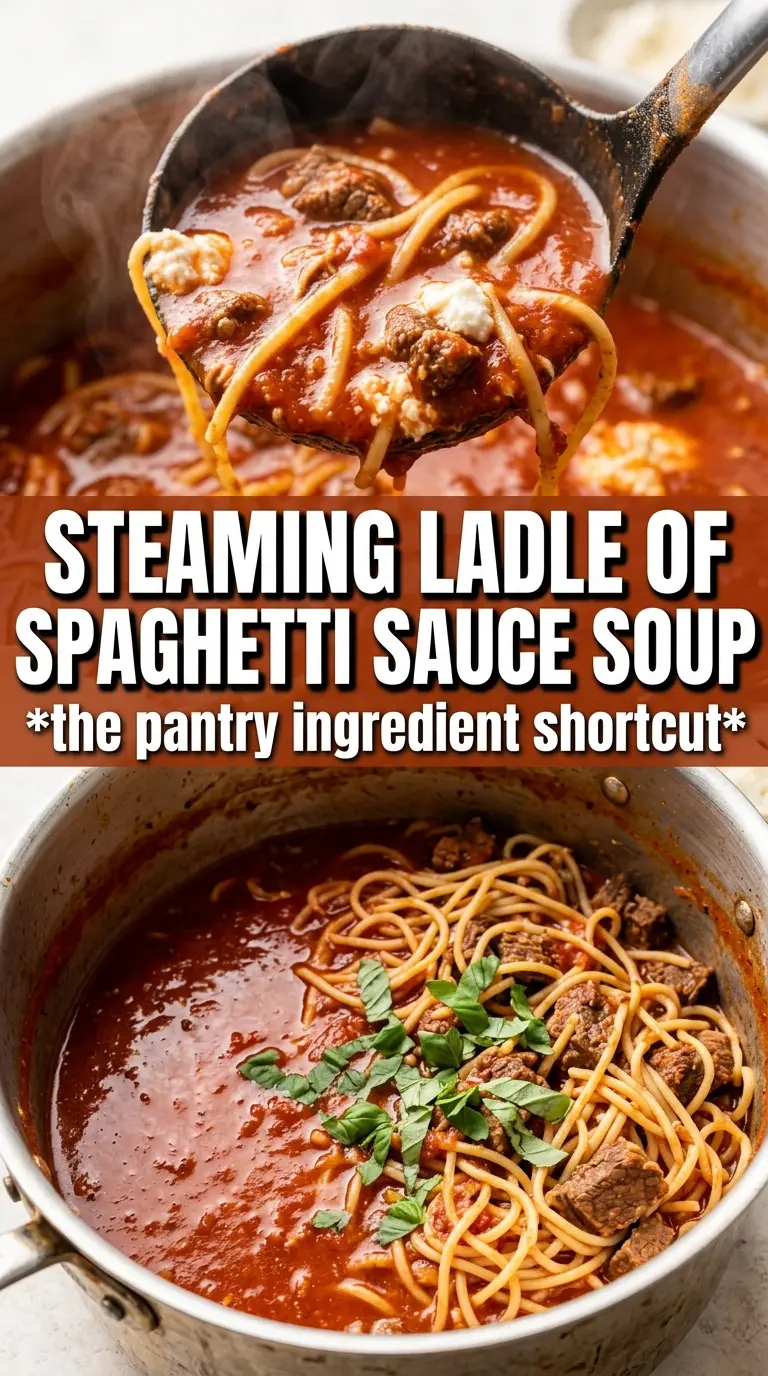
The jarred spaghetti sauce gives you a head start on flavor and thickness. Choose one you already like on pasta, because bland sauce stays bland in soup. If your favorite brand runs sweet, the broth and tomatoes balance it out; if it’s very garlicky or herby, you can ease up slightly on the seasoning.
Lasagna noodles are worth breaking by hand instead of chopping into neat pieces. Irregular edges catch the broth better and look more natural in the bowl. If you only have another pasta shape, use it, but the finished dish will read more like pasta soup than lasagna soup.
Ricotta, mozzarella, and parmesan work best together because each one brings something different. Ricotta gives the creamy spoonful, mozzarella melts into strings, and parmesan sharpens the finish. Fresh basil at the end keeps the whole bowl from tasting too heavy.
Building the Broth Before the Noodles Go In
Brown the meat hard enough to matter
Cook the sausage or ground beef in a large pot until it loses its pink color and starts picking up browned bits on the bottom. Those browned bits are flavor, so don’t rush past them. If the meat gives off a lot of fat, drain it before you move on; too much grease dulls the tomato base and leaves an oily sheen on the soup.
Softening the onion and garlic without scorching them
Add the diced onion and cook until it turns translucent and sweet, about 3 minutes. Garlic goes in last and only needs a minute, just until fragrant. If the garlic browns, it turns bitter fast, and that bitterness will hang around in the broth.
Letting the tomato base come together
Pour in the spaghetti sauce, diced tomatoes, broth, and seasonings, then bring the pot to a boil before adding the noodles. Boiling first helps the broth feel integrated instead of thin and separate. Once the noodles go in, drop the heat to a steady simmer so they cook through without breaking into mush.
Finishing at the right texture
Stir the soup occasionally while the noodles cook for 10 to 12 minutes. You want them tender with a little bite still left in the center, since they’ll keep softening in the hot broth. Taste at the end and season with salt and pepper only after the noodles are done, because the sauce and broth both bring salt of their own.
Make It Spicier or Keep It Mild
Red pepper flakes add a gentle back-of-the-throat heat here, not a full-on spicy soup. Use the full amount if you want the broth to have a little edge, or leave them out if you’re serving kids or anyone who prefers a softer tomato flavor. The soup still tastes complete without the heat because the sausage and cheese carry plenty of flavor.
Make It Gluten-Free
Use your favorite gluten-free lasagna noodles or a sturdy gluten-free pasta shape. Watch the pot closely, because gluten-free pasta can go from tender to soft faster than wheat noodles. If you’re reheating leftovers, expect the noodles to soften more than the day you made it.
Make It Lighter with Turkey
Ground turkey works well if you want a lighter bowl, but it needs a little extra help. Use a splash of olive oil for browning and don’t skip the seasoning, because turkey brings less richness than sausage. If you use turkey, the ricotta topping becomes even more important for that classic lasagna feel.
Storage and Reheating
- Refrigerator: Store for up to 4 days. The noodles will keep soaking up broth, so expect a thicker soup the next day.
- Freezer: The soup base freezes well, but the noodles soften too much after thawing. For the best result, freeze the broth and meat without the noodles, then cook fresh noodles when you reheat it.
- Reheating: Warm it gently on the stove over medium-low heat with a splash of broth or water. A hard boil will break down the noodles and make the texture fall apart.
Questions I Get Asked About This Recipe

Lasagna Soup With Spaghetti Sauce
Ingredients
Equipment
Method
- Brown the Italian sausage or ground beef in a large pot, then drain the excess fat so the soup isn’t greasy.
- Sauté the onion for 3 minutes, stirring until softened and slightly translucent.
- Add the minced garlic and cook 1 minute, stirring so it becomes fragrant without browning.
- Pour in the spaghetti sauce, diced tomatoes, and broth, then add Italian seasoning, dried basil, and red pepper flakes.
- Bring the mixture to a boil, then add the broken lasagna noodles.
- Simmer for 10-12 minutes until the lasagna noodles are tender, stirring occasionally so they don’t stick.
- Season with salt and pepper to taste.
- Mix the ricotta, shredded mozzarella, parmesan, and fresh basil into a thick dollop mixture.
- Ladle the soup into bowls and top each serving with a generous spoonful of the cheese dollop.