Briny olives, tender potatoes, and feta turn this into the kind of potato salad people go back for before they’ve even finished their first plate. The dressing is bright with lemon and red wine vinegar, which keeps the whole bowl from tasting heavy or sleepy, and the herbs give it that clean Mediterranean finish that makes it feel just a little more special than the usual picnic version.
The trick is treating the potatoes gently once they’re cooked. You want them tender all the way through, but still intact enough to hold the olives, feta, and dressing without collapsing into mash. Red potatoes are the right choice here because they keep their shape and have a creamy texture even after chilling. The olives do more than add salt; they anchor the whole salad with a deep, savory bite that makes every forkful taste balanced.
Below, I’ll walk through the one step that matters most for texture, the ingredient swaps that still keep the salad bright, and what to do if you want to make it ahead for a cookout or holiday table.
The potatoes held their shape after chilling, and the lemony dressing soaked in without making everything soggy. I loved the mix of Kalamata and green olives with the feta – it tasted even better the next day.
Love the bright lemon dressing and briny olive bite in this olive potato salad? Save it for the next time you need a chilled Mediterranean side dish that gets better as it rests.
The Reason This Salad Tastes Better After It Sits
The biggest mistake with potato salad like this is tossing everything together while the potatoes are still steaming hot. That sounds efficient, but it softens the feta too fast, dulls the herbs, and can make the dressing taste flat by the time the salad reaches the table. Let the potatoes cool until they’re just warm or fully room temperature, then dress them. That gives the vinegar and lemon time to soak in without turning the texture mushy.
The other thing that matters here is salt timing. The olives and feta bring plenty of it, so season the dressing lightly first, then taste after everything is combined and chilled. Cold food always tastes a little quieter than warm food, and this salad needs that final adjustment after it has rested.
What Each Ingredient Is Actually Doing In This Bowl
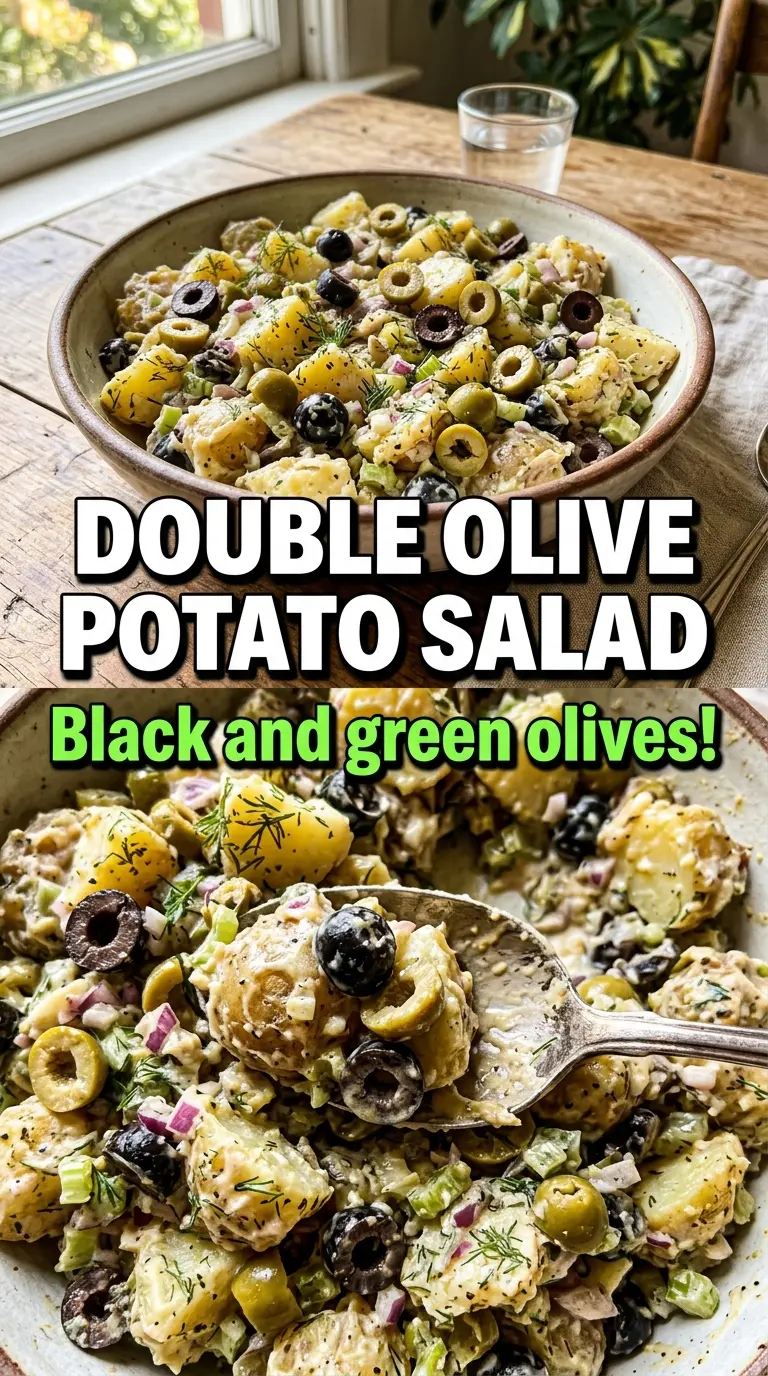
- Red potatoes — These hold their shape better than russets and stay creamy instead of falling apart. Cube them evenly so they cook at the same pace; that keeps the bowl from turning half-firm, half-mashed.
- Mixed olives — Kalamata gives you depth and a winey, briny punch, while green olives add a sharper, saltier edge. Using both makes the salad taste layered instead of one-note.
- Feta — Feta adds tang and a little richness, but it should be folded in gently so it doesn’t smear through the potatoes. Buy a block and crumble it yourself if you can; pre-crumbled feta is drier and doesn’t melt into the salad as nicely.
- Red onion — Thin slices give bite and color. If yours is aggressive, soak the slices in cold water for 10 minutes, then drain well; that keeps the onion from overpowering the olives and dressing.
- Lemon juice and red wine vinegar — This is the brightness that keeps the salad from tasting heavy. Don’t swap both for one or the other unless you have to; the lemon tastes fresh and immediate, while the vinegar adds the lasting tang that makes the salad wake up after chilling.
- Olive oil and oregano — These round out the dressing and push the whole dish in a Mediterranean direction. Use a decent olive oil here because its flavor actually shows up in the finished salad.
How to Keep the Potatoes Intact While Everything Gets Coated
Cooking the Potatoes Just Past Tender
Start the potatoes in cold water and bring them up together so the outside doesn’t overcook before the center is done. They’re ready when a knife slides through with almost no resistance, but the cubes still look defined around the edges. Drain them right away and spread them out for a few minutes so the steam escapes. If they sit in a hot colander, they keep cooking and turn soft before they ever meet the dressing.
Building the Salad Without Crushing It
Combine the potatoes, olives, feta, and onion in a large bowl with enough room to toss from the bottom. Pour the dressing over the top and use a wide spoon or silicone spatula to fold it through instead of stirring aggressively. That gentle motion keeps the potato cubes intact and lets the dressing cling without turning the bowl into paste. Add the parsley at the end so it stays bright and fresh instead of getting bruised.
Chilling for the Best Texture
Refrigerate the salad for at least 2 hours before serving. That rest time matters because the potatoes soak in the lemony dressing and the flavors settle into each other. If the salad seems dry after chilling, drizzle in a small splash of olive oil and a squeeze of lemon, then toss once more. Cold potatoes can mute seasoning, so taste again right before serving and adjust the salt and pepper.
Three Ways to Adjust This Salad Without Losing Its Character
Make it dairy-free
Leave out the feta and add a handful of chopped cucumber or extra olives for contrast. You’ll lose the creamy, salty tang from the cheese, but the salad stays bright and satisfying because the dressing and briny olives carry the flavor.
Turn down the onion bite
If raw onion is too sharp for your crowd, soak the slices in ice water for 10 minutes and drain well before mixing. That softens the heat without making the onion bland, which matters because you still want that little snap in the salad.
Use baby potatoes instead of red potatoes
Baby golds or baby reds work well if you want a slightly silkier bite and less prep time. Cut them in halves or quarters so the dressing can cling to more surface area; whole potatoes won’t absorb the lemon dressing as well.
Make it sharper and more herb-forward
Add a little extra lemon juice and a second handful of parsley if you want a lighter, more assertive salad. The result tastes fresher and less rich, which works especially well next to grilled meat or anything smoky.
Storage and Reheating
- Refrigerator: Store covered for up to 3 days. The potatoes will absorb more dressing as they sit, so the salad may look a little drier on day two.
- Freezer: Don’t freeze this salad. Potatoes and feta both change texture badly after thawing, and the dressing will separate.
- Reheating: This salad is meant to be served cold or cool. If it comes straight from the fridge and tastes muted, let it sit at room temperature for 15 to 20 minutes and refresh it with a squeeze of lemon and a drizzle of olive oil instead of heating it.
Answers to the Questions Worth Asking
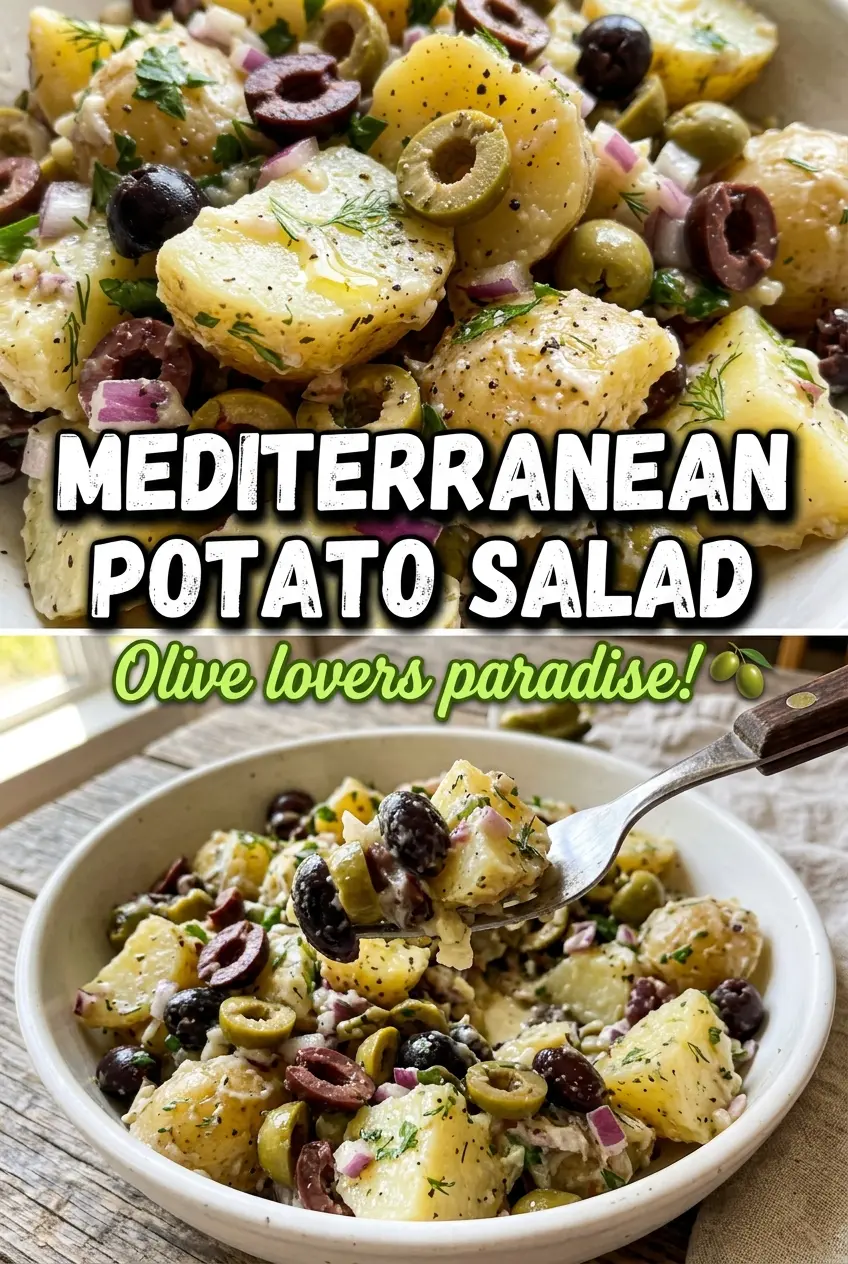
Olive Potato Salad
Ingredients
Equipment
Method
- Bring a pot of water to a boil, add the cubed red potatoes, and cook until tender, about 20 minutes. Visual cue: the cubes pierce easily with a fork.
- Drain the potatoes and spread them out to cool. Visual cue: they should be warm-neutral rather than hot.
- Add the cooled potatoes, mixed olives, feta cheese, and red onion to a serving bowl and mix gently. Visual cue: olives and feta are evenly distributed throughout.
- Whisk together olive oil, lemon juice, red wine vinegar, dried oregano, salt, and pepper until combined, about 1 to 2 minutes. Visual cue: the dressing looks glossy and uniform.
- Pour the dressing over the potato mixture and toss gently until everything is coated. Visual cue: potatoes look lightly lacquered rather than dry.
- Add the chopped parsley and toss once more. Visual cue: bright green flecks appear across the surface.
- Refrigerate the salad for 2 hours before serving. Visual cue: the salad firms up and the dressing clings to the potato edges.