Vibrant Mexican rice should land fluffy, separate, and full of that deep tomato color that stains every grain without turning it soggy. The best versions have a light toasted edge on the rice, a savory base, and little pops of carrot and pea tucked through the pot. When it’s done right, it doesn’t sit on the plate like plain steamed rice; it brings its own seasoning, texture, and color to the meal.
The trick is starting with dry rice in hot oil and giving it time to toast before any liquid goes in. That step builds the nutty backbone and helps the grains stay defined instead of collapsing into a soft, sticky mass. Tomato sauce, broth, and a short covered simmer do the rest, but the real difference is in the rest at the end. That five minutes off the heat lets the steam finish the job without breaking the grains.
Below, I’ve broken down the one part that usually trips people up, plus the ingredient choices that matter most. If you’ve ever had Mexican rice turn out mushy, bland, or unevenly cooked, this version will help you see exactly where things go off track.
The rice stayed fluffy and the tomato flavor soaked in without making it mushy. Toasting it first made all the difference, and my kids actually ate the peas without picking them out.
Save this Mexican rice for taco nights, grilled chicken, or any meal that needs fluffy, tomato-rich rice with the grains staying separate.
The Rice Toasting Step That Keeps This Fluffy Instead of Mushy
Most Mexican rice problems start before the liquid ever hits the pan. If the rice doesn’t get toasted in oil first, it has no protective layer, so it absorbs broth too quickly and softens unevenly. That’s when you get clumps on the bottom and soft grains on top.
You’re looking for rice that turns a shade more opaque and gives off a faint nutty smell. It should not brown hard or darken deeply. The goal is light toast, not fried rice. That quick coating in oil helps the grains hold their shape through the simmer.
The onion and garlic go in after the rice has started to toast, not before. If they cook too long at this stage, the garlic can burn and turn bitter, which shows up strongly in such a simple dish. Keep everything moving and stay close to the pot.
What the Tomato Sauce and Broth Are Really Doing Here
Tomato sauce gives this rice its color and body, but the broth carries the seasoning into every grain. Chicken broth adds more depth than water ever will, and that savory base is what makes the rice taste finished instead of simply tinted red. If you use water, the rice still works, but it loses that rounded, restaurant-style flavor.
Carrots and peas aren’t just there for color. The carrots soften slowly and add little sweet bits that balance the tomato, while the peas stay bright and give the dish a fresh finish. Frozen peas work perfectly because they go in with the liquid and finish in the steam. There’s no need to thaw them first.
- Long-grain white rice — This is the right rice for grains that stay separate. Short-grain rice tends to clump and turn soft faster, so don’t swap it if you want that classic texture.
- Chicken broth — Use a broth you’d actually drink. It makes a noticeable difference in a dish with only a few ingredients. Vegetable broth works too, but the rice will taste a little lighter and less savory.
- Tomato sauce — Plain tomato sauce gives color without adding extra sweetness or heaviness. If you use crushed tomatoes, the rice can get looser and wetter than you want.
- Frozen peas and diced carrots — Frozen peas hold up well and stay bright. Dice the carrots small so they soften in the same window as the rice instead of staying crunchy.
Building Mexican Rice So Every Grain Cooks Evenly
Toasting the Rice First
Heat the oil in a wide saucepan over medium heat, then add the rice and stir constantly for 3 to 4 minutes. You’re watching for the grains to turn translucent in spots and smell lightly nutty. If the heat is too low, the rice steams instead of toasting; if it’s too high, the bottom scorches before the center changes color.
Cooking Out the Tomato Sauce
Stir in the onion, garlic, and tomato sauce, then cook for 1 to 2 minutes before adding the broth. This short cook takes the raw edge off the tomato and garlic, which keeps the final rice from tasting sharp. The mixture should look glossy and a little thicker before you move on.
The Covered Simmer
Add the broth, vegetables, bay leaf, cumin, salt, and pepper, then bring everything to a boil before dropping the heat all the way to low. Once it’s covered, leave it alone for 15 minutes. If steam escapes, the rice can cook unevenly, so keep the lid on and resist lifting it to check too early.
The Rest That Finishes the Texture
Take the pan off the heat and let it sit covered for 5 minutes. That final rest is when the last bit of moisture evens out through the pot, and it’s what keeps the bottom from getting wet while the top finishes undercooked. Fluff with a fork, remove the bay leaf, and add cilantro right before serving.
How to Adapt This Rice Without Losing the Texture
Make It Vegetarian
Swap the chicken broth for vegetable broth. You’ll lose a little of the deep savory backbone, so choose a broth with decent body rather than thin, watery stock. The cooking method stays exactly the same.
Make It Spicier Without Changing the Base
Add a minced jalapeño with the onion, or stir in a pinch of chile powder with the cumin. That keeps the rice balanced and still lets the tomato flavor come through. Don’t add hot sauce to the simmering liquid unless you want the color and seasoning to shift noticeably.
Use Brown Rice for a Heartier Side
Brown rice needs more liquid and a much longer simmer, so this is not a straight swap. Expect a nuttier flavor and a firmer bite, but plan on closer to 40 to 45 minutes of cooking time and add broth as needed. If you rush it, the center stays chewy while the outside turns soft.
Storage and Reheating
- Refrigerator: Store in an airtight container for up to 4 days. The rice firms up as it chills, but it loosens again when reheated with a little moisture.
- Freezer: It freezes well for about 2 months. Cool it completely, pack it in flat portions, and thaw overnight before reheating for the best texture.
- Reheating: Warm it in a covered skillet or microwave with a splash of broth or water. The mistake people make is blasting it dry, which makes the grains tough and uneven. Gentle heat and a little steam bring it back.
Answers to the Questions Worth Asking
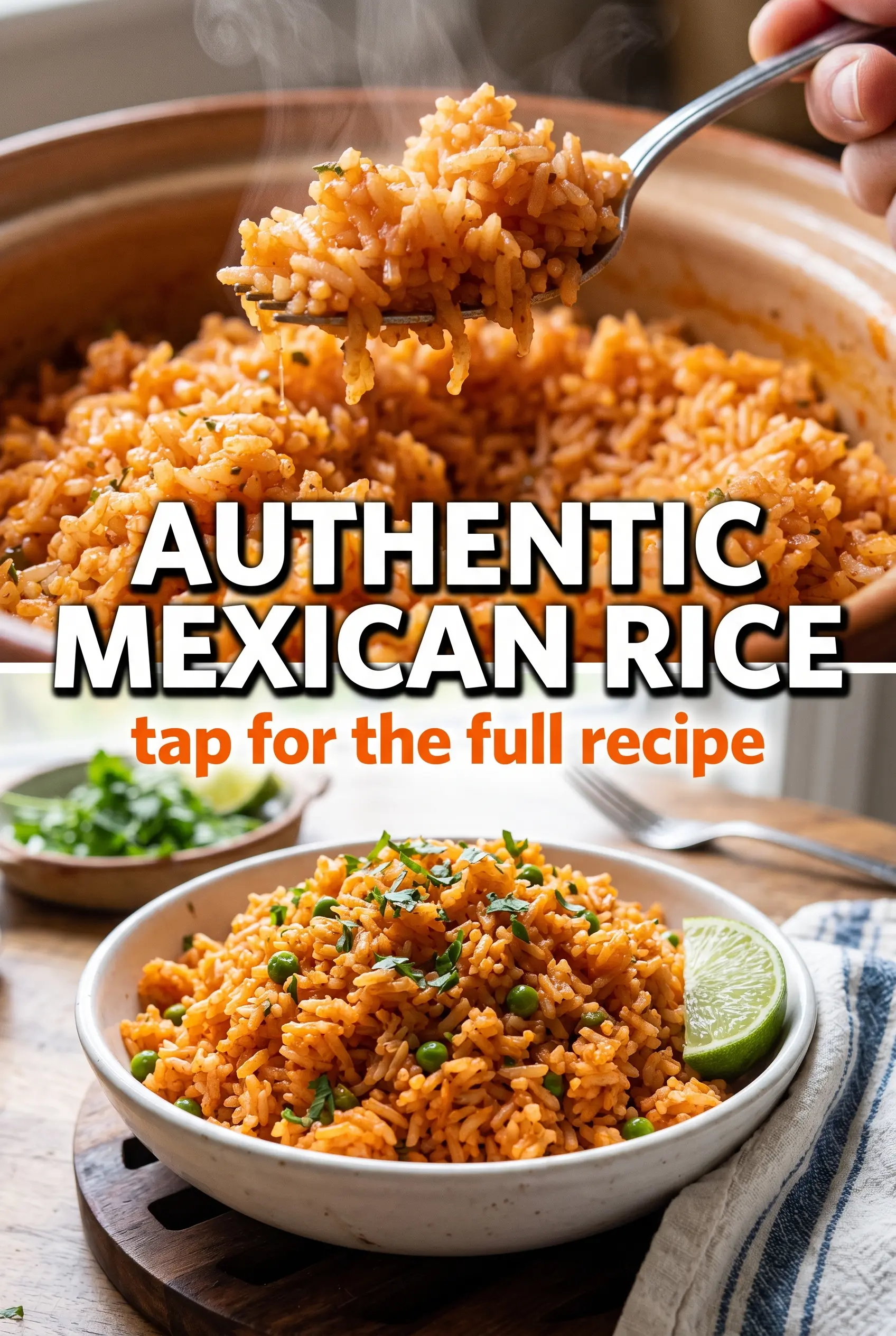
Authentic Mexican Rice
Ingredients
Equipment
Method
- Heat the vegetable oil in a large saucepan over medium heat, then add the rice and stir constantly until translucent and lightly toasted, about 3-4 minutes.
- Add the diced onion and minced garlic, and cook for 1-2 minutes until fragrant.
- Stir in the tomato sauce and cook for 1-2 minutes, keeping everything evenly mixed.
- Add the chicken broth, diced carrots, frozen peas, bay leaf, cumin, salt, and pepper, stirring to combine.
- Bring to a boil, then reduce heat to low, cover, and simmer for 15 minutes.
- Remove from heat and let the rice rest covered for 5 minutes.
- Fluff the rice with a fork and remove the bay leaf.
- Garnish with fresh cilantro before serving.