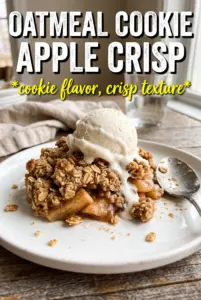
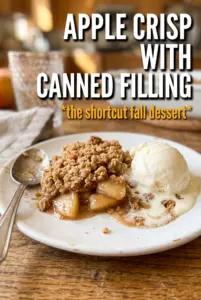
Pasta salad gets forgotten a lot because too many versions turn soft, flat, and watery by the time they hit the table. This one stays lively: the penne holds onto the lemon-herb dressing, the olives and feta bring salt and richness, and the artichokes and sun-dried tomatoes keep every bite interesting. It tastes like something you’d happily scoop from the fridge for lunch the next day, not a side dish that only exists to fill space on a plate.
The trick is balance. A good Mediterranean pasta salad needs enough acid to wake up the starch, enough oil to coat the pasta, and enough salt from the feta and olives to keep the flavor from going dull after chilling. Rinsing the pasta under cold water stops the cooking fast, but it also washes off surface starch, which is exactly what you want here so the dressing can settle into the noodles instead of turning gluey.
Below, I’ve included the detail that matters most for this salad: when to dress it, how long to chill it, and what to change if you want it dairy-free or a little heavier on the vegetables.
The dressing clung to the pasta after chilling, and the feta stayed creamy instead of disappearing. I made it the night before a cookout and it was even better the next day.
Save this Mediterranean Pasta Salad for a make-ahead side that stays bright, briny, and chilled to the last forkful.
The Trick to Keeping Pasta Salad Bright After It Chills
The biggest mistake with pasta salad is treating it like a toss-it-and-forget-it bowl. Pasta drinks in dressing as it sits, which is great up to a point, but if the dressing is too thin or the pasta is too warm when you mix it, the whole salad goes soft and muted. This version avoids that by using a bold lemon-oil dressing and letting the pasta cool before the feta and vegetables go in, so the ingredients keep their shape and the flavors stay distinct.
Another thing that helps here is the mix of textures. Kalamata olives and feta bring chew and crumble, while artichokes and cherry tomatoes add softness without turning mushy. If you’ve ever made a pasta salad that tasted fine right after mixing but bland after an hour, it was probably underseasoned before chilling. Cold food always needs a little more punch than you expect.
What Each Ingredient Is Actually Doing in This Salad
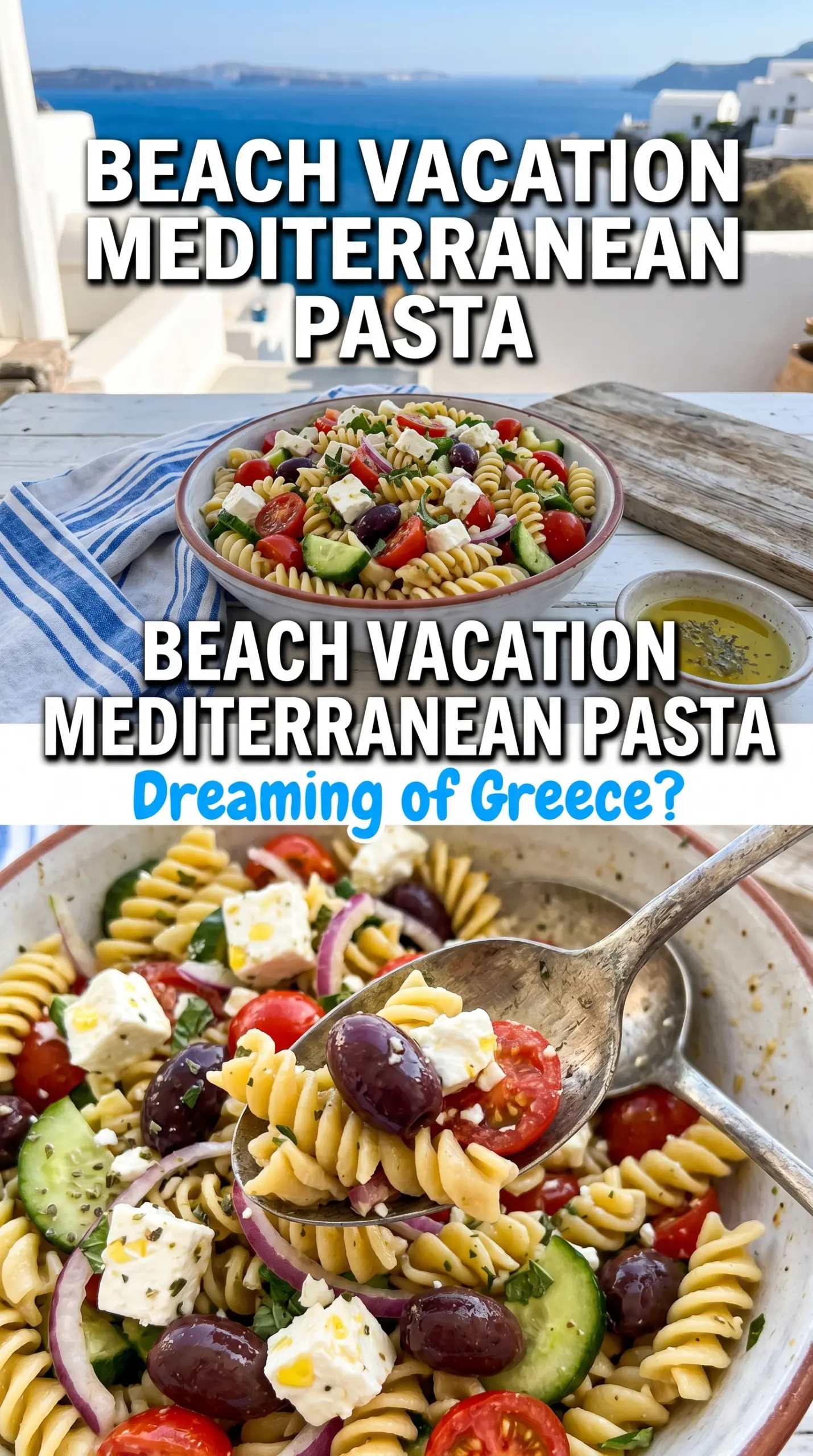
- Penne pasta — The ridges catch the dressing and little bits of oregano, garlic, and feta. Short pasta holds up better than long shapes once this salad sits in the fridge.
- Kalamata olives — These bring the briny backbone of the dish. Black olives can work in a pinch, but they’re milder and won’t give you the same deep, salty bite.
- Artichoke hearts — Their tender, tangy flavor gives the salad some body and keeps it from tasting like plain pasta with toppings. Jarred or canned both work; just drain them well so the dressing doesn’t get diluted.
- Sun-dried tomatoes — They add concentrated sweetness and chew. If yours are packed in oil, blot them a little before chopping so the salad doesn’t get greasy.
- Feta cheese — This is where the creaminess comes from. Crumble it yourself if you can; pre-crumbled feta tends to be drier and less flavorful.
- Lemon juice and olive oil — Together they make the dressing light but not thin. Use a decent olive oil here because it’s one of the few ingredients you’ll taste in every bite.
- Fresh parsley — Add it at the end so the salad tastes fresh instead of flat. Dried parsley won’t give you the same lift.
How to Build the Salad So It Stays Crisp and Well-Seasoned
Cooking the Pasta the Right Way
Boil the penne until it’s just tender, not soft. Pasta salad needs a little structure because the noodles keep absorbing dressing as they chill. Drain it well, then rinse under cold water until it stops steaming. If you skip the rinse, the carryover heat keeps cooking the pasta and can make the final salad taste heavy instead of fresh.
Whisking a Dressing That Clings
The dressing comes together in seconds, but the order matters. Whisk the lemon juice, garlic, oregano, salt, and pepper first, then stream in the olive oil so it emulsifies a little and coats the pasta better. If the garlic is minced too coarsely, it can hit hard in the chilled salad, so keep it fine. The dressing should taste a touch sharp on its own because the pasta and vegetables will mellow it out.
Mixing Without Crushing the Good Stuff
Combine the cooled pasta, olives, tomatoes, artichokes, sun-dried tomatoes, red onion, and feta in a large bowl, then pour the dressing over top. Toss gently with a big spoon or spatula so the feta stays in pieces instead of disappearing into the bowl. The goal is every bite getting a little of everything, not making a mashed-up pasta mix. Once it’s combined, cover and chill for at least 2 hours so the flavors settle together.
Finishing After the Chill
Give the salad one last toss before serving and check the seasoning again. Cold food dulls salt and acid, so it often needs a final pinch of salt or a squeeze of lemon to wake it back up. Add the parsley right before serving so it stays bright and doesn’t wilt into the dressing. If the pasta absorbed more dressing than you expected, a small drizzle of olive oil loosens it right back up.
How to Adapt This for Different Tables
Make it dairy-free without losing the Mediterranean feel
Skip the feta and add a handful of chopped cucumber or extra tomatoes for freshness. You lose some creaminess and salt, so bump the dressing with a little extra lemon juice and a pinch more salt to keep the salad lively.
Swap the pasta for a gluten-free version
A sturdy gluten-free penne works well here, but cook it just until tender because it can go past the point fast. Rinse it carefully and toss it with the dressing while it’s fully cooled so it doesn’t clump or break apart.
Add chickpeas for a fuller meal
A drained can of chickpeas turns this from a side dish into a lunch that holds up. They add a nutty bite and absorb the dressing well, but they also mellow the briny edge, so keep the olives and feta in the mix.
Storage and Reheating
- Refrigerator: Keeps for up to 4 days in a covered container. The pasta softens a little, but the flavor gets better by day two.
- Freezer: I don’t recommend freezing this salad. The tomatoes, feta, and dressing change texture after thawing and the whole bowl turns watery.
- Reheating: This salad is meant to be served cold or cool. If it tightens up in the fridge, let it sit at room temperature for 15 to 20 minutes and add a splash of olive oil or lemon juice before serving.
Questions I Get Asked About This Recipe
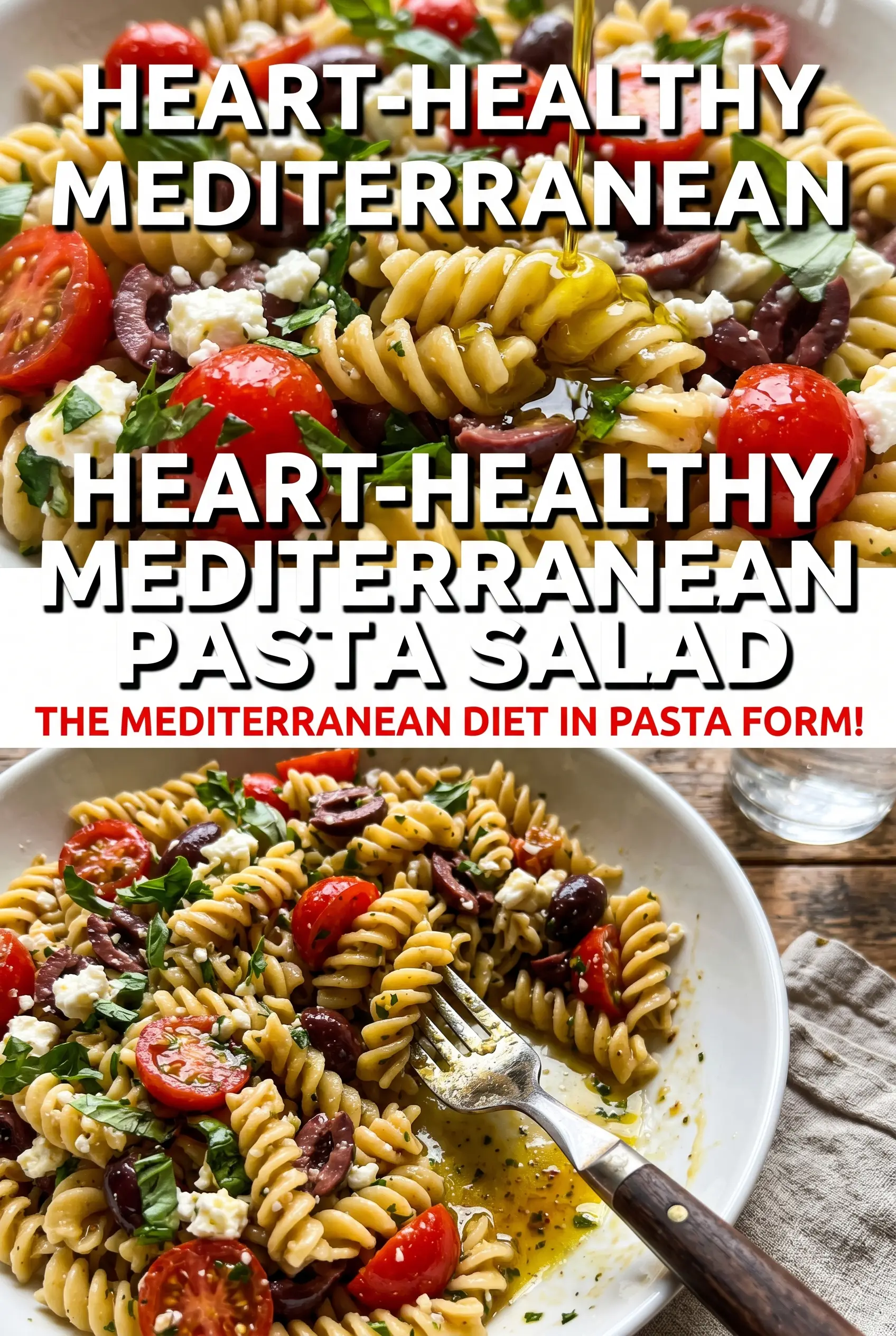
Mediterranean Pasta Salad
Ingredients
Equipment
Method
- Cook penne pasta according to package directions until al dente, then drain. Rinse with cold water to stop cooking and cool the pasta fast, giving it a firm bite.
- Whisk together olive oil, lemon juice, garlic, oregano, salt, and pepper until the mixture looks evenly blended. Visually it should turn glossy and fragrant with no dry oregano pockets.
- In a large bowl, combine pasta, olives, tomatoes, artichokes, sun-dried tomatoes, red onion, and feta. Fold gently so feta stays in small crumbles and the mix looks colorful.
- Pour the dressing over the salad and toss gently to coat every ingredient. Stop once the pasta looks lightly glossy and the feta is evenly distributed.
- Refrigerate the pasta salad for at least 2 hours to let flavors meld. The mixture should taste brighter after chilling, with a more cohesive lemon-herb flavor.
- Garnish with fresh parsley before serving. Finish with a fresh green pop right before serving for the best look and aroma.