Mexican chorizo rice comes out fluffy, smoky, and deeply savory, with each grain coated in that red-orange chorizo oil that makes the whole pot taste like more than the sum of its parts. The rice stays separate instead of turning mushy, and the tomatoes and lime keep the richness from feeling heavy. It’s the kind of side dish that quietly takes over the plate.
The trick is building flavor in stages. Browning the chorizo first gives you seasoned drippings to start the onions, then toasting the rice helps each grain hold its shape once the broth goes in. I like stirring the chorizo back in at the end instead of letting it cook down with the rice, because that keeps the texture meaty and the flavor clear.
Below you’ll find the small details that matter most: when to stop stirring, how to keep the rice from going past tender, and what to change if you want to make it dairy-free, spicier, or lighter.
The rice stayed fluffy and every bite had that chorizo flavor without getting greasy. Toasting it first made a big difference, and the lime at the end brightened everything up.
Save this Mexican Chorizo Rice for a smoky, one-pan side with fluffy grains, lime, and cilantro.
The Mistake That Makes Chorizo Rice Heavy Instead of Fluffy
When rice turns out dense or greasy, it’s usually because the chorizo fat got used as the only cooking medium and the rice was never toasted before the liquid went in. Chorizo gives you a lot of flavor, but it also gives you a lot of fat. A little is perfect. Too much coats the grains and keeps them from absorbing broth evenly.
That’s why this version uses a small amount of olive oil after the chorizo comes out. The pot still carries all the flavor from the drippings, but the rice gets a cleaner, more even fry. Toasting the rice for a couple of minutes changes the final texture more than people expect. The grains stay defined, and the finished dish feels light enough to serve beside something rich.
- Chorizo — Mexican chorizo is soft and raw, so it renders seasoning into the pot as it browns. Spanish chorizo won’t behave the same way; it’s cured and much firmer, so use Mexican chorizo here for the right texture and fat.
- Long-grain white rice — This holds up best because the grains stay separate. Short-grain rice will go softer and stickier, which changes the dish into something closer to a mash.
- Chicken broth — This does more than water ever could. It seasons the rice from the inside, and since the chorizo already brings salt, broth gives you a better base for balancing the final dish.
- Diced tomatoes — Use the juice too. It adds acidity and enough moisture to help the rice cook evenly, but don’t add extra tomato paste or the mixture can get too thick before the rice is tender.
Building the Pot So the Rice Cooks Evenly
Browning the Chorizo
Cook the chorizo over medium heat until it’s fully browned and broken into small crumbles. You want the pieces to sizzle and release reddish oil, not steam in a clump. If the pan looks dry, the heat is too low; if the drippings start smoking hard, the heat is too high and the spice can turn bitter. Spoon the chorizo out once it’s cooked so the rice can take over the pot.
Softening the Onion and Toasting the Rice
Add the onion to the drippings and olive oil and cook until it turns translucent at the edges and smells sweet, not sharp. Garlic goes in at the end so it doesn’t scorch. When the rice hits the pot, stir constantly for 2 to 3 minutes until the grains look a little translucent around the edges. That toast is what keeps the finished rice from collapsing into one soft mass.
Simmering Without Disturbing the Grain
Once the broth, tomatoes, and spices go in, bring everything to a simmer, then cover and lower the heat. The surface should stay at a gentle bubble, not a hard boil. If it boils too aggressively, the liquid cooks off before the rice softens and you end up with a dry bottom layer and chalky top grains. Leave it alone until the timer is up.
Finishing With the Chorizo, Cilantro, and Lime
Fluff the rice first, then fold the cooked chorizo back in so the grains stay separate. Cilantro and lime go in at the end because both lose their brightness if they cook too long. The lime should wake the dish up, not make it taste sour, so start with the full amount here and add more only after tasting.
Three Ways to Change the Pan Without Losing the Point
Make It Dairy-Free and Keep the Same Depth
This recipe is already dairy-free as written, which is one reason it works so well as a side for richer mains. If you want to keep it light and bright, don’t add cheese at the end; the lime and cilantro are what sharpen the flavor instead. A spoonful of sour cream on top is optional, but it changes the dish from a side into something creamier and heavier.
Swap in Brown Rice When You Want More Bite
Brown rice works, but it needs a longer simmer and a little more broth because the outer bran layer slows everything down. Plan on adding extra liquid and cooking until the grains are tender but still chewy. The flavor gets nuttier, though the finished dish won’t be quite as fluffy as the white-rice version.
Turn Up the Heat Without Drowning the Rice
For more spice, add minced jalapeño with the onion or use hot chorizo instead of mild. That gives you heat that tastes layered, not just sharp. Avoid dumping in extra chili powder at the end; spice powder can taste dusty if it never gets cooked into the fat first.
Storage and Reheating
- Refrigerator: Store in an airtight container for up to 4 days. The rice firms up a bit as it chills, but the flavor holds well.
- Freezer: It freezes well for up to 2 months. Cool it completely first, then pack it flat in freezer-safe containers so it thaws evenly.
- Reheating: Reheat covered in the microwave or on the stove with a splash of broth or water. The biggest mistake is blasting it dry, which makes the grains tough before the center warms through.
Questions I Get Asked About This Recipe
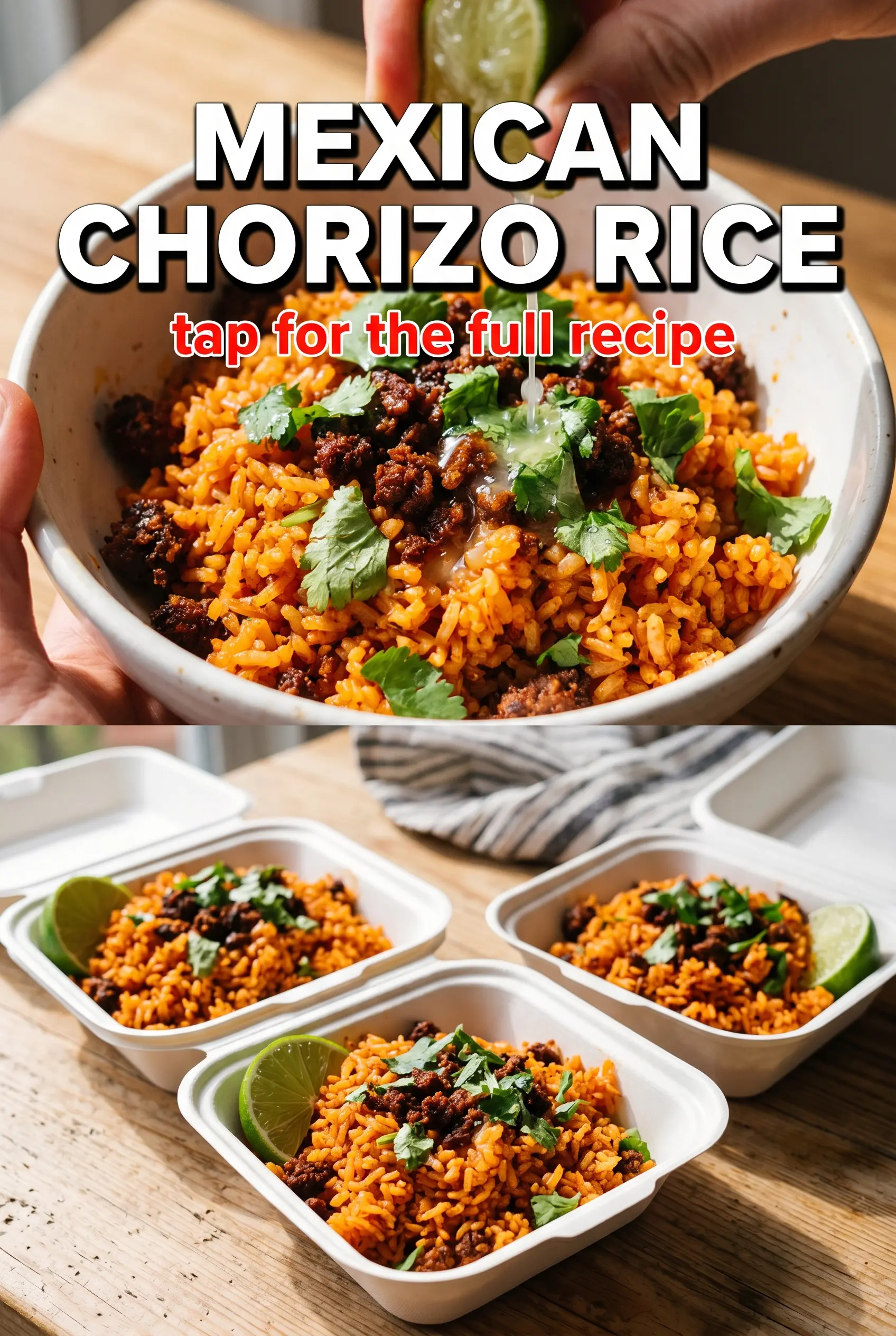
Mexican Chorizo Rice
Ingredients
Equipment
Method
- Crumble the chorizo into a large pot and cook over medium heat until browned, about 5 minutes, stirring occasionally so it renders evenly; visual cue: the fat becomes golden and the bits look crisp at the edges. Remove the browned chorizo with a slotted spoon, leaving the drippings in the pot.
- Add the olive oil to the pot and sauté the diced onion over medium heat until softened, about 3 minutes, stirring to coat; visual cue: onion turns translucent and fragrant. Add the minced garlic and cook for 1 minute, stirring constantly so it doesn’t brown.
- Stir in the long-grain white rice and toast for 2-3 minutes over medium heat, stirring frequently; visual cue: grains look slightly opaque and smell nutty.
- Add the chicken broth, diced tomatoes with their juice, cumin, chili powder, and salt. Bring to a simmer, cover with a lid, and cook for 15 minutes, keeping the surface at a steady simmer; visual cue: liquid is mostly absorbed and rice grains are tender.
- Fluff the rice with a fork, then stir in the cooked chorizo, chopped cilantro, and lime juice; visual cue: the rice looks evenly speckled and glossy from the lime and drippings. Let the pot rest, covered, for 5 minutes before serving.